Overview
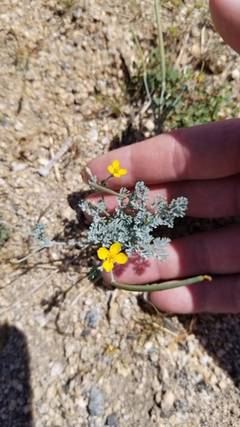
Eschscholzia is a genus of about 12 species of annual and short-lived perennial herbs in the poppy family, Papaveraceae, native to open, sunny ground in western North America and Mexico. The most familiar member, the California poppy E. californica, is the type for the genus and is grown worldwide as a garden annual. Plants form low mounds 6-24 in (15-60 cm) tall of finely dissected blue-green to grey-green foliage on slender, branching stems. The cup-shaped, four-petalled flowers are 1-3 in (2.5-7.5 cm) across in shades of orange, yellow, cream, red, and pink, opening flat in sun and closing in dull weather and at night. Each bloom rises on a long stalk from a pointed bud cap that is pushed off as the flower opens, and is followed by a slender ribbed seed capsule that splits explosively to scatter seed. Plants flower from spring into summer, often reblooming where summers stay cool. They need full sun and poor, sharp-draining soil, self-sow freely, and transplant poorly because of a deep taproot. In hot, humid, or rich conditions the plants grow soft and short-lived.
Native Range
The genus is native to western North America, from the Columbia River south through California into northwestern Mexico, growing on grassland, roadsides, sandy slopes, and desert margins. The California poppy E. californica is the state flower of California.Suggested Uses
California poppies and their relatives are grown in wildflower meadows, gravel gardens, dry banks, and the front of sunny borders. They suit naturalistic plantings and self-sow to form drifts. The low mounding habit also suits containers and rock gardens.How to Identify
Appearance
Size & Dimensions
Height6" - 2'
Width/Spread6" - 1'6"
Colors
Foliage Colors
Bloom Information
Flowering runs from early spring into summer, generally April to July, and continues longer where summers stay cool. In mild-winter regions autumn-sown plants bloom from late winter. Each flower lasts a few days, opening flat in sunshine and closing at night and in overcast weather, with self-sown plants extending the display over many weeks.
Detailed Descriptions
Flower Description
orange, yellow, cream, red, pinkFoliage Description
blue-green to grey-greenGrowing Conditions
Sun Requirements
Requires 6-12 hours of direct sunlight daily
• Full Sun: 6+ hours of direct sunlight
• Partial Shade: 3-6 hours of direct sunlight
• Full Shade: Less than 3 hours of direct sunlight
Water & Climate
Water Needs
Drought Tolerance
Drought tolerant when established
Care & Maintenance
Care Guide
Eschscholzia grows in full sun and poor, dry, sharp-draining sandy or gravelly soil at pH around 6.0-7.5. Plants are highly drought-tolerant and decline in rich, moist, or heavy ground, which produces soft growth and few flowers. Sow seed directly where plants are to grow, as the deep taproot makes transplanting difficult. Water lightly until seedlings establish, then only in prolonged drought. Removing spent flowers prolongs bloom, though plants self-sow readily and naturalise. Few pests trouble the genus, but crown and root rot follow wet, poorly drained soil.Pruning
Deadhead spent flowers to extend bloom and limit self-seeding, or leave some capsules to ripen where naturalising is wanted. Shearing leggy plants back by half in midsummer can prompt a fresh flush of foliage and flower in cooler regions. No other pruning is needed on these soft-stemmed plants.Container Growing
Suitable for container growing
Minimum container size: 1 gallons
Toxicity: Not assessed
UnknownPlanting Guide
Planting Methods & Timing
Planting Method
direct sow
Direct Sow Timing
early spring, or autumn in mild-winter regions
Days to Maturity
60–90 days
Plant Spacing
6 inches