Eriophyllum, Genus, lanatum, Species,
- Genus & species
Oregon sunshine
Western North America from British Columbia to Baja California
Overview
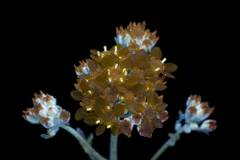
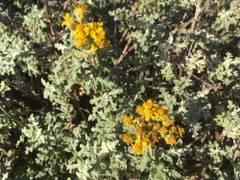
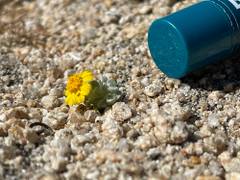
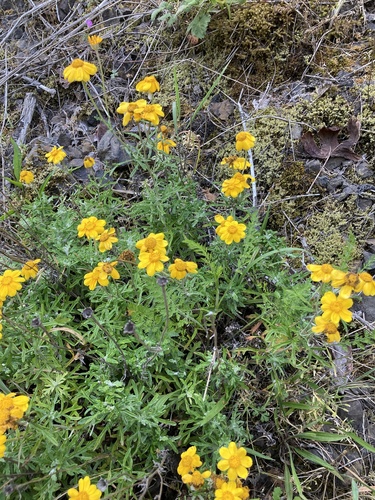
A clump-forming evergreen-to-semi-evergreen perennial reaching 8-24 inches (20-60 cm) tall and 12-24 inches (30-60 cm) wide, growing from a fibrous-rooted basal crown. Stems and foliage covered in dense white-woolly hairs. Leaves alternate, 0.5-2 inches (1.5-5 cm) long, deeply lobed into linear segments — wool-coated to the point that the green plant tissue is sometimes obscured. Flower heads daisy-like, 1-1.75 inches (2.5-4.5 cm) across, with 8-13 yellow ray florets surrounding a yellow disc, borne singly on slender stems. Plants flower May through August across their range, with the heaviest bloom in June. Stems may flop after seed set, particularly under fertile garden conditions. Stands self-seed under bare-soil conditions, producing 10-30 volunteer seedlings per parent plant. Foliage is browsed only by livestock during forage shortages; deer typically do not eat it. Plants persist 4-6 years on most sites and are commonly replenished by self-sown seedlings.
Native Range
Native to western North America from southern British Columbia south through Washington, Oregon, and California to northern Baja California, east to Idaho, Utah, and Wyoming. Found on dry rocky slopes, coastal bluffs, sagebrush steppe, oak savanna, and roadcuts from sea level to 10,000 feet (3,050 m).Suggested Uses
Planted in dryland meadow plantings, native rock gardens, and slope plantings within zones 4-10 at 12-18 inch (30-45 cm) spacing. Pairs with bunchgrasses, Penstemon, and Eriogonum in xeric perennial groupings. Grows in containers of at least 2 gallons (8 L) with coarse drainage and full sun.How to Identify
Appearance
Size & Dimensions
Height8" - 2'
Width/Spread1' - 2'
Colors
Bloom Information
May through August across the species' range, with peak flowering in June. Lower-elevation populations bloom from late April; alpine and northern populations may bloom into early September. Each head lasts 7-10 days; total bloom per stand 8-14 weeks. Deadheading the first flush extends bloom by 3-4 weeks.
Detailed Descriptions
Foliage Description
Gray-green to silvery-white woollyGrowing Conditions
Sun Requirements
Requires 6-12 hours of direct sunlight daily
• Full Sun: 6+ hours of direct sunlight
• Partial Shade: 3-6 hours of direct sunlight
• Full Shade: Less than 3 hours of direct sunlight
Care & Maintenance
Care Guide
Plants establish quickly from autumn-sown seed, requiring no stratification; spring-sown seed germinates within 2-3 weeks at 60-70°F (15-21°C). Seedlings benefit from supplemental water during their first summer. Established plants tolerate 6-8 weeks of drought once roots reach a depth of 12 inches (30 cm). Crown rot develops on irrigated heavy clay or in pots with poor drainage. Powdery mildew is rare on dry-grown plants but may occur in humid coastal summers. Stands persist 4-6 years on most sites; replacement is by self-sown seedlings or fresh autumn sowing.Pruning
Spent flower stems are sheared to 2 inches (5 cm) above the basal rosette in late August after bloom ends, encouraging tight regrowth and reducing self-seeding if not desired. A second light shearing in spring removes any winter-killed top growth without affecting bloom. Hard cutback into the woody crown delays flowering by 4-6 weeks.Pruning Schedule
Prune: August
summer
Container Growing
Suitable for container growing
Minimum container size: 2 gallons