Eriophyllum, Genus, spp., Multiple species,
- Genus
- Multiple species
woolly sunflowers
Western North America (British Columbia to Mexico)
Overview
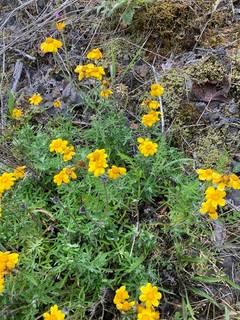
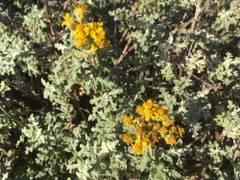
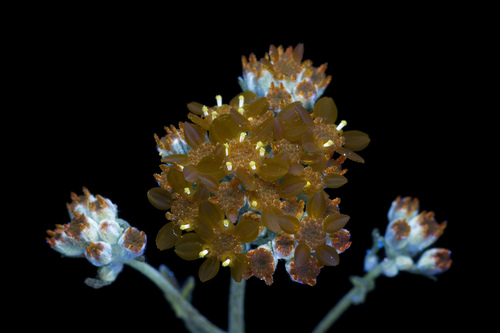
Eriophyllum is a genus of about a dozen species of annual and perennial herbs and low subshrubs in the daisy family, Asteraceae, native to dry, open ground in western North America, from British Columbia south into Mexico. The plants are clothed in dense white or grey woolly hairs that give them a silvery look and help them withstand heat and drought. Stems form low mounds or sprawling clumps 4-24 in (10-60 cm) high, carrying narrow, lobed or divided leaves that are felted beneath. From late spring into summer the plants are topped by golden-yellow daisy flowers 0.5-2 in (1-5 cm) across, each with a ring of broad rays around a yellow centre, held singly or in small clusters. The common woolly sunflower E. lanatum, also called Oregon sunshine, is the species most often grown. Plants thrive in poor, dry, sharp-draining soil in full sun and rot in rich, moist, or shaded conditions. They are drought-tolerant, short-lived, and quick to flower, and many self-sow or are easily raised from seed for use in dry and native plantings.
Native Range
The genus is native to western North America, from British Columbia and the western United States south into Baja California and northern Mexico. Plants grow on dry slopes, bluffs, sagebrush flats, and rocky openings, often in full sun and poor soil.Suggested Uses
Woolly sunflowers are grown in dry gardens, gravel and rock gardens, sunny banks, and native and pollinator plantings across the West. The silvery foliage and yellow daisies suit borders of drought-tolerant plants and self-sow into open ground. Low mounding forms also suit containers and the front of dry borders.How to Identify
Appearance
Size & Dimensions
Height4" - 2'
Width/Spread1' - 2'
Colors
Flower Colors
Foliage Colors
Bloom Information
Flowering runs from late spring into summer, generally May to August, with golden-yellow daisy heads opening over many weeks. Bloom is heaviest in full sun on lean soil and tapers in heat or after seed sets. Removing spent heads can extend the display into late summer.
Detailed Descriptions
Foliage Description
grey-green to silvery whiteGrowing Conditions
Sun Requirements
Requires 6-12 hours of direct sunlight daily
• Full Sun: 6+ hours of direct sunlight
• Partial Shade: 3-6 hours of direct sunlight
• Full Shade: Less than 3 hours of direct sunlight
Care & Maintenance
Care Guide
Eriophyllum grows in full sun on poor, dry, sharp-draining sandy or gravelly soil at pH around 6.0-7.5, and tolerates heat, drought, and wind once established. Rich, moist, or shaded ground causes soft growth, flopping, and crown rot, the main cause of loss. Water lightly only until plants establish, then little or none. The woolly foliage shrugs off most pests, though aphids may gather on flower stems. Plants are short-lived, often persisting three or four years, but self-sow and are quick from seed. Cutting back after bloom keeps growth compact and can prompt a second flush.Pruning
Shear plants back by about a third after the main bloom to remove spent flowers and keep growth dense, which can bring a later flush. Cut perennial species back in late winter to clear old growth before new shoots appear. No other pruning is needed on these short-lived plants.Pruning Schedule
Prune: February & August
wintersummer
Container Growing
Suitable for container growing
Minimum container size: 1 gallons