Eriophorum, Genus, spp., Multiple species,
- Genus
- Multiple species
cottongrasses
Circumpolar Northern Hemisphere; boreal and Arctic zones
Overview
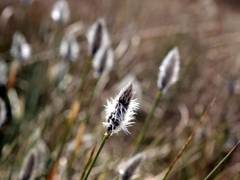
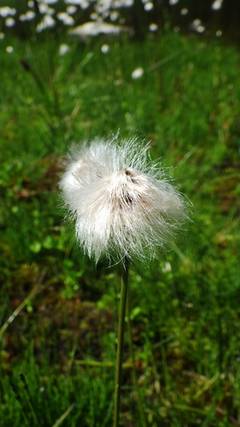
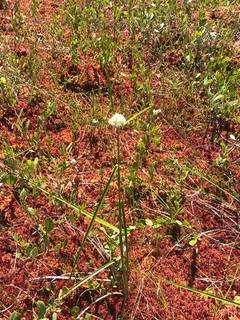
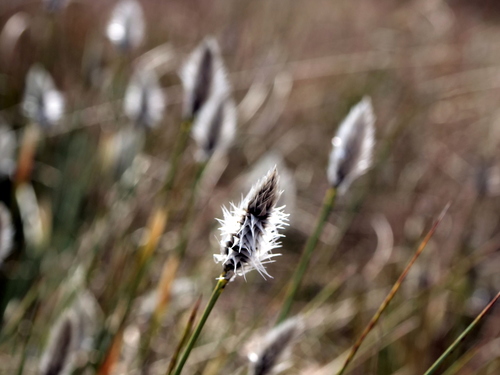
Eriophorum is a genus of about 25 species of perennial sedges in the family Cyperaceae, known as cottongrasses or cotton-sedges. The genus is circumpolar, growing through the cool-temperate, boreal, and Arctic zones of the Northern Hemisphere in acidic bogs, fens, wet heath, and tundra. Plants form tufts or spreading colonies of slender, grass-like leaves and upright stems 8 to 30 in (20 to 75 cm) tall, rising from creeping rhizomes or dense tussocks depending on species. The flowers themselves are small and wind-pollinated, gathered into one or several spikelets at the stem tip. After flowering, the perianth lengthens into a tuft of soft white or tawny bristles, and the seed heads become the cottony, wind-blown puffs that name the group. These hold through early summer before the seeds scatter. Cottongrasses are tied to permanently wet, peaty, lime-free ground and fail on dry or alkaline soil. E. angustifolium spreads by rhizome along pool margins, while E. vaginatum builds the firm tussocks that structure many northern bogs.
Native Range
The genus is native to the Northern Hemisphere, ringing the globe through boreal and Arctic regions and reaching cool mountains farther south. In North America it grows across Canada, Alaska, and the northern and montane United States.Suggested Uses
Used at the margins of ponds, bog gardens, and rain gardens, and in restoration of peatlands and wet heath. The cottony heads are cut for fresh or dried arrangements. Rhizomatous species bind wet, peaty banks against erosion.How to Identify
Appearance
Size & Dimensions
Height8" - 2'6"
Width/Spread6" - 2'
Bloom Information
Detailed Descriptions
Flower Description
white to tawny cottony bristlesFoliage Description
greenGrowing Conditions
Sun Requirements
Requires 6-10 hours of direct sunlight daily
• Full Sun: 6+ hours of direct sunlight
• Partial Shade: 3-6 hours of direct sunlight
• Full Shade: Less than 3 hours of direct sunlight
Care & Maintenance
Care Guide
Plants grow in full sun to light shade in constantly wet, acidic, peaty soil at the edge of pools, bogs, and rain gardens. They need lime-free water and soil and decline where ground dries out or turns alkaline. No feeding is required, as these plants are adapted to nutrient-poor peat. Tussock species are slow to establish, while rhizomatous kinds spread steadily once settled. Division in spring renews clumps and starts new plantings. Few pests trouble them, though rust fungi can spot the foliage.Pruning
No routine pruning is needed. Old foliage and spent stems can be cut back in late winter before new growth begins. Lifting and dividing crowded tussocks every few years keeps them vigorous.Container Growing
Suitable for container growing
Minimum container size: 3 gallons