Eremophila, Genus, spp., Multiple species,
- Genus
- Multiple species
Overview
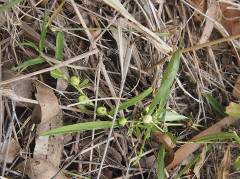
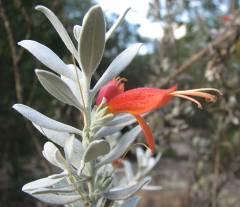
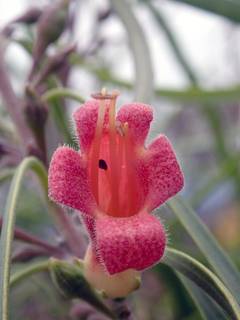
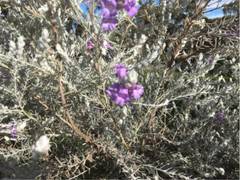
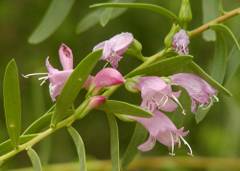
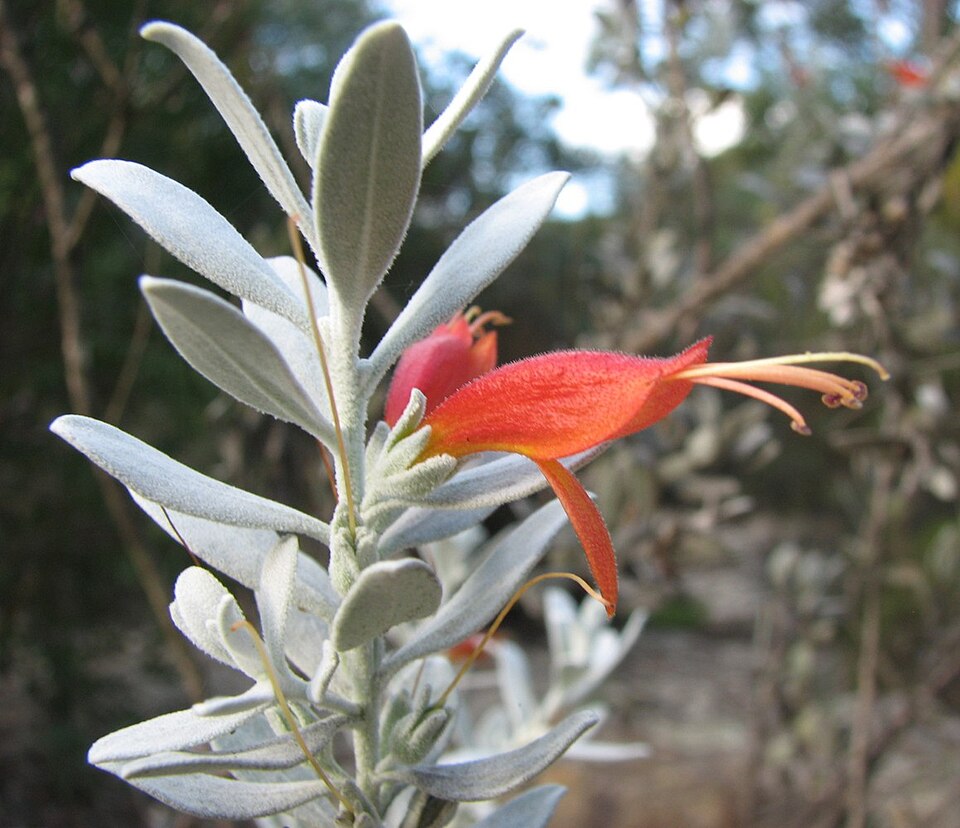
Eremophila is a large genus of shrubs and small trees in the family Scrophulariaceae, endemic to mainland Australia and most diverse across its arid interior. More than 200 species are recognised, known collectively as emu bushes or poverty bushes. They range from low spreading shrubs under 12 in (30 cm) to upright forms reaching about 13 ft (4 m), with foliage that is often grey, hairy, or coated in sticky resin that limits water loss. The tubular flowers are two-lipped and come in a wide span of colours across the genus, including red, orange, yellow, purple, lilac, and white, frequently with a spotted throat; bird-pollinated species tend toward red and orange, while insect-pollinated ones are often lilac to purple. Flowering can be long and is concentrated in the cooler months in habitat. Fleshy or woody fruits follow. Eremophila species are adapted to heat, drought, and alkaline desert soils, and several are grown as ornamentals or used in revegetation of dry country. Their main limitation in cultivation is sensitivity to humidity and poorly drained soil, which causes root rot in wetter climates. Frost tolerance is low to moderate, so most species are restricted to warm, dry-summer regions.
Native Range
Endemic to mainland Australia, where Eremophila reaches its greatest diversity in the arid and semi-arid interior of Western Australia, South Australia, and the Northern Territory. Species grow on sandplains, rocky ranges, and dry woodland across the continent dry zones.Suggested Uses
Eremophila species are grown as flowering ornamental shrubs in dry gardens, as low-water landscape plants, and in revegetation of arid land. The nectar-rich tubular flowers draw honeyeaters and native bees. Compact species suit containers and rockeries, while larger forms are used as informal screens in warm, dry regions.How to Identify
Appearance
Size & Dimensions
Height1' - 13'
Width/Spread1' - 10'
Bloom Information
Flowering is often long and concentrated in autumn through spring in habitat, varying by species and climate. Individual tubular flowers last several days, and a plant may carry blooms over many weeks. Bird-pollinated species flower mainly in cooler months when nectar-feeding birds are active.
Detailed Descriptions
Flower Description
Variable red, orange, yellow, purple, or whiteFoliage Description
Grey-greenGrowing Conditions
Sun Requirements
Requires 6-12 hours of direct sunlight daily
• Full Sun: 6+ hours of direct sunlight
• Partial Shade: 3-6 hours of direct sunlight
• Full Shade: Less than 3 hours of direct sunlight
Care & Maintenance
Care Guide
Eremophila species grow in full sun on freely draining sandy, gravelly, or loam soils, and most tolerate alkaline ground to about pH 8.5. They need very little water once established and are adapted to long dry periods. Sharp drainage matters more than soil richness, as wet or humid conditions cause root and stem rot. Many species are grafted onto Myoporum rootstock to improve tolerance of heavier or wetter soils. Frost tolerance is generally low, limiting most species to warm, dry-summer climates. Light feeding suits them, and excess nutrients can reduce flowering.Pruning
A light trim after flowering keeps Eremophila shrubs dense and compact. Hard pruning into bare old wood is usually avoided, as many species are slow to reshoot from it. Removing frost-damaged tips in spring tidies the plant.Container Growing
Suitable for container growing
Minimum container size: 3 gallons