Edgeworthia, Genus, spp., Multiple species,
- Genus
- Multiple species
Paperbush
Overview
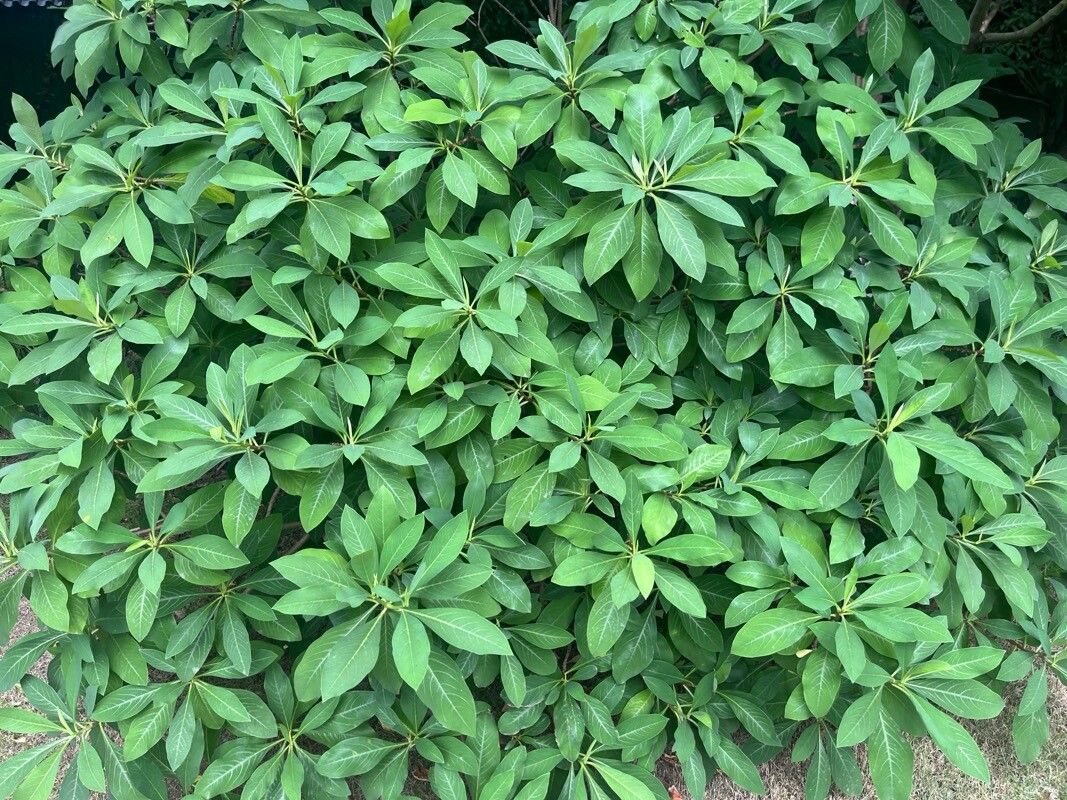
Edgeworthia is a small genus of three or four deciduous shrubs in the family Thymelaeaceae, native to the Himalaya and China and grown chiefly as paperbush. Plants form rounded shrubs 1-2 m (3-7 ft) tall and wide on supple, sparsely branched stems that can be tied in a knot without breaking. The blue-green leaves are simple, lance-shaped, and 8-20 cm (3-8 in) long, clustered toward the branch tips and shed in autumn. In late winter to early spring, before the leaves, the bare tips carry rounded, nodding clusters of 30-50 small tubular flowers, silky-white on the outside and yellow to orange within, releasing a strong sweet scent. E. chrysantha has yellow flowers, while some forms open in shades of orange and red. The fibrous bark of several species is used to make high-quality paper in China, Japan, and Nepal. The genus grows in moist mountain woodland and ravines, and most species are hardy to about USDA zone 7. In gardens it is grown as a winter-flowering shrub in sheltered, part-shaded sites.
Native Range
Native to the Himalaya and central and southern China, growing in moist montane woodland, forest clearings, and shaded ravines. E. chrysantha is widely cultivated in China and Japan well beyond its wild range.Suggested Uses
Grown as a winter-flowering specimen shrub in sheltered borders, woodland edges, and courtyard gardens. Placed near paths and entrances where the late-winter scent carries, and used in Asian-themed and collector gardens.How to Identify
Appearance
Size & Dimensions
Height3' - 7'
Width/Spread3' - 7'
Bloom Information
Flowering occurs in late winter to early spring, before the leaves emerge, when rounded clusters of tubular yellow to orange flowers open on the bare branch tips. The blooms are strongly fragrant and last several weeks in cool weather. Bees and early insects visit the flowers on mild days.
Detailed Descriptions
Flower Description
yellow to orangeFoliage Description
blue-greenGrowing Conditions
Sun Requirements
Requires 3-6 hours of direct sunlight daily
• Full Sun: 6+ hours of direct sunlight
• Partial Shade: 3-6 hours of direct sunlight
• Full Shade: Less than 3 hours of direct sunlight
Care & Maintenance
Care Guide
Grows in part shade to filtered sun in moist, free-draining soil rich in organic matter and slightly acid to neutral. Steady moisture suits the shallow roots, and plants struggle in dry, hot, or windy sites. The genus is hardy to about USDA zone 7, and flower buds can be damaged by hard late frosts. Growth is moderate, and the shallow-rooted shrubs are slow to recover from transplanting once established. A spring mulch keeps roots cool and moist.Pruning
Little pruning is needed, since the natural rounded form stays tidy. Any shaping is done right after flowering, before new growth, because flowers form on the previous year wood. Dead or damaged stems are removed at the same time.Pruning Schedule
Prune: March–April
early spring
Container Growing
Suitable for container growing
Minimum container size: 7 gallons