Eccremocarpus, Genus, spp., Multiple species,
- Genus
- Multiple species
Chilean glory flower
Overview
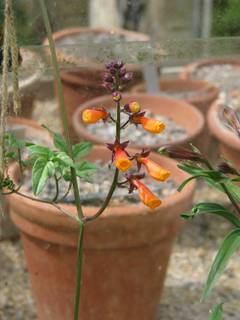
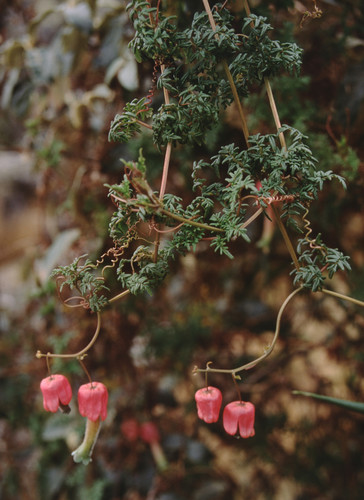
Eccremocarpus is a genus of about five species of climbing plants in the trumpet-vine family, native to the Andes of Chile, Peru, and Argentina. The widely grown species, E. scaber, the Chilean glory flower, climbs by leaf-tip tendrils to 8-15 feet (2.4-4.6 m) in a season, with ferny, divided green leaves. From late spring through autumn it carries upright clusters of narrow, tubular flowers about 1 inch (2.5 cm) long, in orange, red, or yellow, followed by inflated seed pods. The tubular flowers draw nectar-feeding birds in the native range and bees and butterflies elsewhere. The genus grows in full sun on light, free-draining soil with shelter and even moisture, climbing through shrubs, fences, and trellis. Plants are frost-tender: the top growth is cut down by frost, but the woody base survives mild winters to about USDA zone 8 or 9 and regrows, while in colder areas it is grown as a fast annual from seed. Wet, cold soils rot the crown. Seed-grown plants flower in their first summer. Growth is rapid and lax, needing support to climb.
Native Range
Native to the Andes of Chile, Peru, and Argentina, growing in scrub and on rocky slopes and forest margins.Suggested Uses
Grown on trellises, fences, obelisks, and through shrubs for fast summer cover and long, tubular flowering. Used as a quick seasonal climber in cold regions and a short-lived perennial climber in mild ones. Plants are not frost-hardy and need support to climb.How to Identify
Appearance
Size & Dimensions
Height8' - 15'
Width/Spread3' - 6'
Bloom Information
Detailed Descriptions
Flower Description
orange, red, or yellowFoliage Description
greenGrowing Conditions
Sun Requirements
Requires 6-12 hours of direct sunlight daily
• Full Sun: 6+ hours of direct sunlight
• Partial Shade: 3-6 hours of direct sunlight
• Full Shade: Less than 3 hours of direct sunlight
Care & Maintenance
Care Guide
Plants grow in full sun on light, free-draining soil with shelter from cold wind and steady moisture through the growing season. Seed is sown indoors in late winter and set out after frost, or plants are set against a trellis, fence, or host shrub for the tendrils to climb. Even watering supports the rapid growth, while sharp drainage protects the crown in winter. In zones colder than about USDA 8, the top growth is killed by frost and plants are treated as annuals or the base is mulched heavily. Wet, cold soils rot the woody crown. A framework of netting or wires gives the tendrils a hold.Pruning
Frosted top growth is cut back to live wood or the base in spring. In mild areas the woody base is thinned of dead and crowded stems as growth resumes. Removing spent flower clusters before they set seed prolongs bloom.Container Growing
Suitable for container growing
Minimum container size: 5 gallons