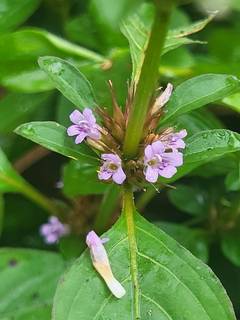
Image 1 of 3
1 / 3
Photo byCommunity
Dyschoriste, Genus, spp., Multiple species,
- Genus
- Multiple species
twinflower
Tropical and warm-temperate Americas, Africa, and Asia
Overview
Dyschoriste is a genus of about 100 species of small herbs and subshrubs in the acanthus family, Acanthaceae, found through the warmer parts of the Americas, Africa, and Asia. Plants are generally low and clump-forming, 15-60 cm (6-24 in) tall, with square stems and opposite, simple, entire leaves. Tubular, two-lipped flowers 1-3 cm (0.4-1.2 in) long are carried singly or in small clusters in the leaf axils, in shades of blue, lavender, and purple, often marked with darker lines on the throat. Many species flower over a long period in warm weather. The fruit is a small club-shaped capsule that splits to fling out its seeds. Several species, such as the southeastern North American D. oblongifolia (twinflower), spread by rhizomes to form a low groundcover and act as larval host plants for buckeye butterflies. The genus grows in open woodland, grassland, sandy flats, and disturbed ground, and most species tolerate heat, drought, and poor soils. In cultivation it is grown as a groundcover and front-of-border plant in warm climates.
Native Range
Found through the warmer regions of the Americas, Africa, and Asia, with centres of diversity in the Americas and Africa. Plants grow in open woodland, grassland, sandy flats, pine savanna, and disturbed ground.Suggested Uses
Grown as a groundcover, edging, and front-of-border plant in warm-climate and native gardens. Used in butterfly and pollinator plantings, and rhizomatous species are grown to bind sandy soil and fill gaps between shrubs.How to Identify
Appearance
Size & Dimensions
Height6" - 2'
Width/Spread1' - 2'
Bloom Information
Tubular blue to purple flowers open over a long period in warm weather, often from spring through autumn in mild climates. Individual flowers are short-lived but are produced in succession. The flowers draw bees and butterflies, and some species are larval hosts for buckeye butterflies.
Detailed Descriptions
Flower Description
blue to purpleFoliage Description
greenGrowing Conditions
Sun Requirements
Requires 5-10 hours of direct sunlight daily
• Full Sun: 6+ hours of direct sunlight
• Partial Shade: 3-6 hours of direct sunlight
• Full Shade: Less than 3 hours of direct sunlight
Care & Maintenance
Care Guide
Grows in full sun to part shade in free-draining sandy or loamy soil of low to moderate fertility. Established plants tolerate heat, drought, and poor ground, while regular water lengthens the flowering period. Most species are frost-tender to semi-hardy and are grown as perennials in warm climates or as annuals where winters are cold. Rhizomatous species spread to form a low mat and are divided in spring. Trimming after the main flush keeps plants compact and brings on more flowers.Pruning
Plants are sheared lightly after the main flush to tidy growth and renew flowering. Rhizomatous species are cut back and divided in spring to control spread. Frost-damaged growth is removed once the weather warms.Pruning Schedule
Prune: March
early spring
Container Growing
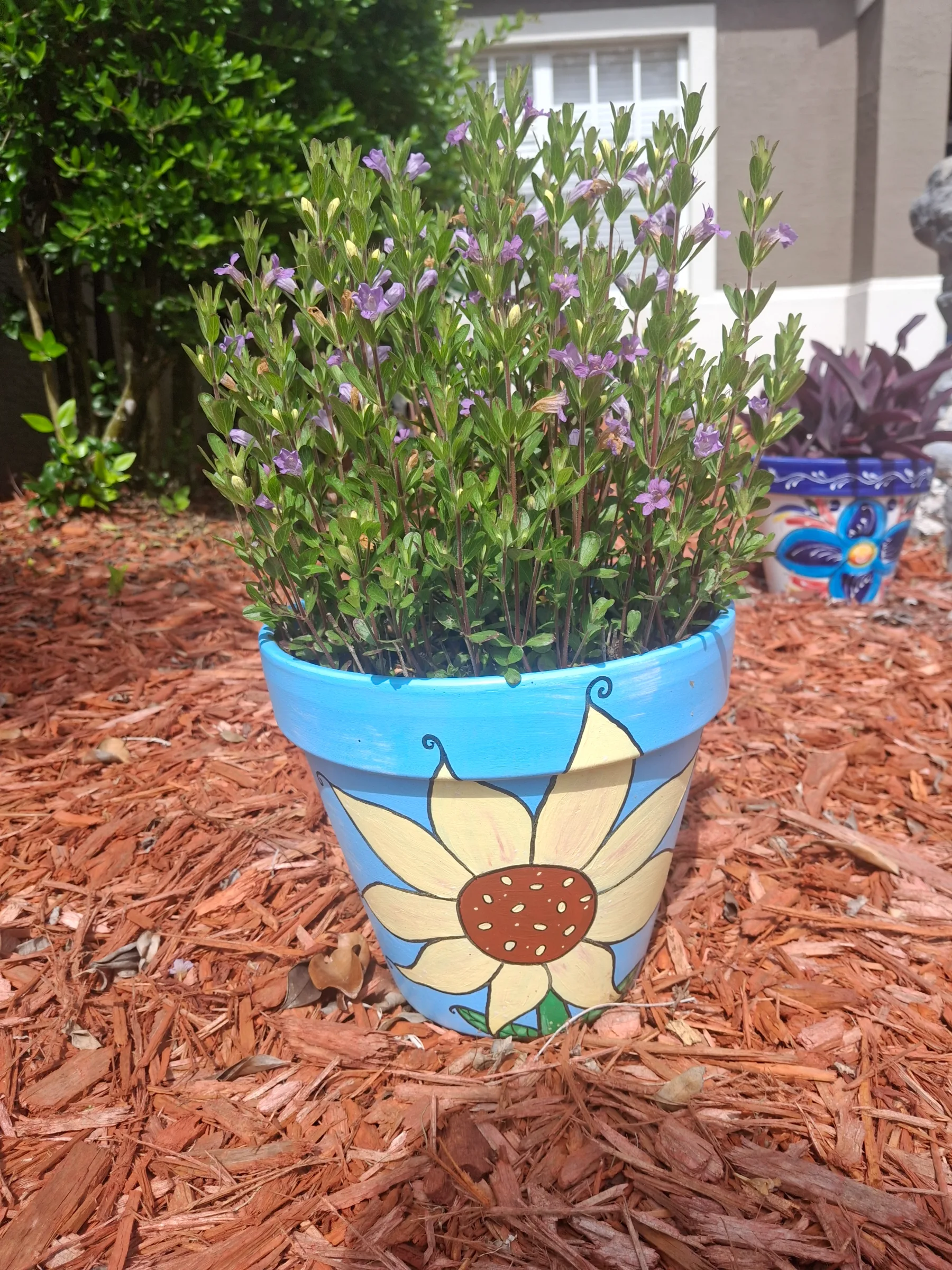
Suitable for container growing
Minimum container size: 2 gallons