Dypsis, Genus, spp., Multiple species,
- Genus
- Multiple species
golden cane palm
Overview
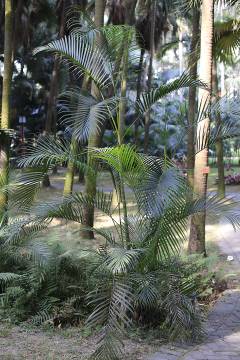
Dypsis is a genus of about 170 palms in the family Arecaceae, native almost entirely to Madagascar, with a few species on the Comoros and Pemba. The genus is varied in growth form, ranging from slender understory palms a few feet tall to robust canopy trees 40-60 feet (12-18 m) high, and from solitary trunks to dense clustering clumps. The leaves are pinnate (feather-shaped), arching, and divided into many narrow leaflets, often on smooth green or yellow-tinged stems ringed with old leaf scars. Small yellow to cream flowers are borne in branched sprays among or below the leaves, followed by small fleshy fruits that ripen yellow to black and are eaten by birds and lemurs. The widely grown D. lutescens, the areca or golden cane palm, forms clustering yellow-stemmed clumps and is grown by the million as an indoor and tropical landscape palm worldwide. Most species are frost-tender and need warm, frost-free conditions. Many Dypsis are threatened in the wild through habitat loss, even as a few are propagated in large numbers in the nursery trade.
Native Range
Native almost entirely to Madagascar, with a few species on the Comoro Islands and Pemba, growing in rainforest understory, forest canopy, and seasonally dry woodland.Suggested Uses
Grown as specimen and screening palms in tropical and frost-free subtropical gardens, and widely as container and indoor palms in cooler regions. D. lutescens is used as a living screen and as a foliage houseplant. Smaller species suit shaded courtyards and conservatory plantings.How to Identify
Appearance
Size & Dimensions
Height3' - 60'
Width/Spread3' - 20'
Bloom Information
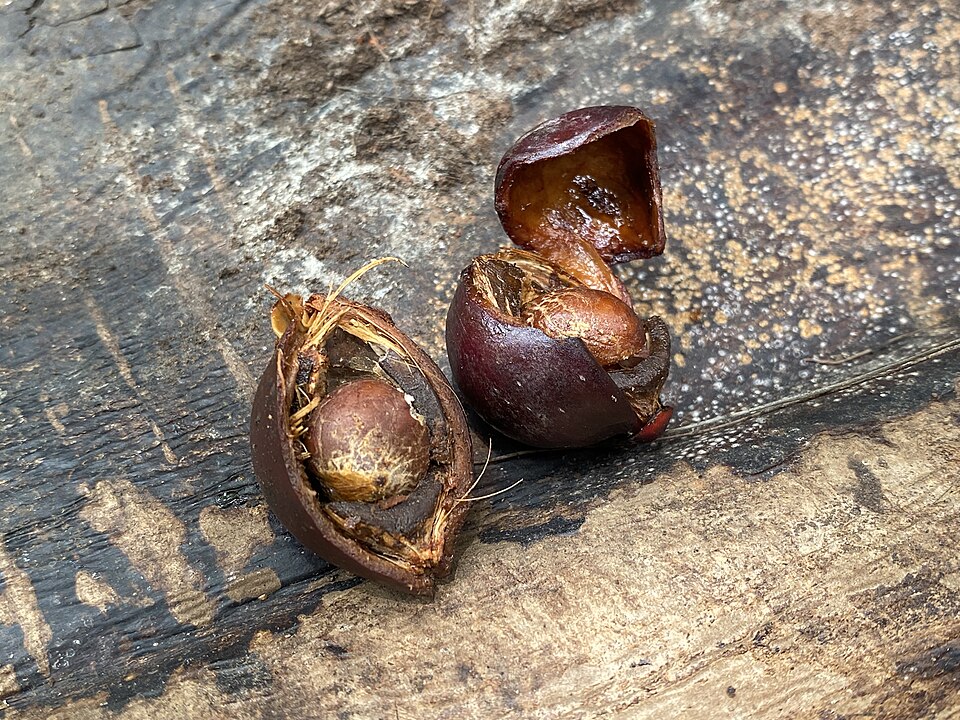
Flowering time varies with species and climate, often in the warm, wet months. Branched flower sprays carry many small yellow to cream flowers over several weeks. Fruits ripen from yellow to black and are taken by birds and other wildlife.
Detailed Descriptions
Flower Description
yellow to creamFoliage Description
greenGrowing Conditions
Sun Requirements
Requires 3-8 hours of direct sunlight daily
• Full Sun: 6+ hours of direct sunlight
• Partial Shade: 3-6 hours of direct sunlight
• Full Shade: Less than 3 hours of direct sunlight
Care & Maintenance
Care Guide
Grows in full sun to partial shade depending on species, on moist, fertile, well-drained soil with a pH near 5.5-7.0. Understory species need shade and shelter, while D. lutescens tolerates full sun in humid climates. Water needs are moderate, with steady moisture during active growth and less in cool spells. Frost-free, warm conditions are needed, as most species are damaged below about 30 F (-1 C). Container plants grow in a rich, free-draining mix and benefit from regular feeding in the growing season. Brown lower fronds are removed as they age.Pruning
Only fully brown, dead fronds are removed, cut close to the stem without cutting into green tissue or the trunk. Removing healthy green fronds weakens the palm, which draws on them for nutrients. Spent flower and fruit stalks can be cut away to keep plants tidy.Pruning Schedule
Prune: March–April
early spring
Container Growing
Suitable for container growing
Minimum container size: 5 gallons