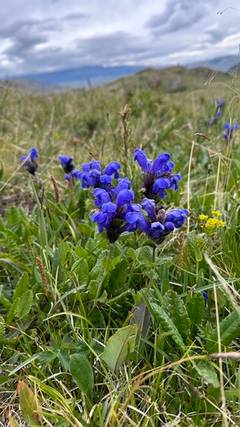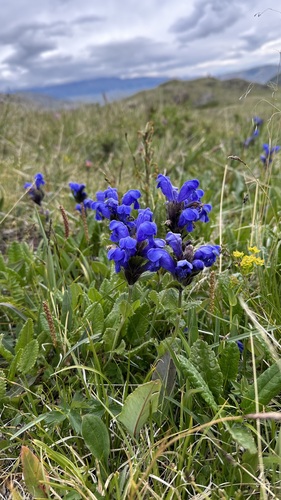
Dracocephalum, Genus, spp., Multiple species,
- Genus
- Multiple species
dragonhead
Overview
Dracocephalum is a genus of about 70 species of aromatic herbs in the mint family, Lamiaceae, commonly called dragonheads. Most are perennials, though a few such as D. moldavica are annuals, and the genus is native to temperate Europe and Asia, with a centre of diversity in central Asia. Plants grow 15-80 cm (6-32 in) tall on square stems set with opposite, narrow to toothed leaves that release a minty or lemony scent when crushed. Two-lipped tubular flowers 1.5-4 cm (0.6-1.6 in) long are carried in whorled spikes or dense heads, mostly in shades of blue, violet, and purple, with white and pink forms in some species. The hooded upper lip gives the flowers their dragon-head shape. Flowering runs from early summer into autumn, and the nectar draws bees and other long-tongued insects. Plants grow in meadows, steppe, rocky slopes, and alpine grassland, and most need cool summers and sharp drainage, so growth declines in hot, humid climates. In gardens the genus is grown in borders, rock gardens, and herb plantings.
Native Range
Native to temperate Europe and Asia, with the greatest number of species in central Asia and the Himalaya. Plants grow in mountain meadows, dry steppe, rocky slopes, and alpine grassland.Suggested Uses
Grown in mixed borders, rock gardens, gravel gardens, and herb plantings. Used as a nectar source in pollinator plantings, and the aromatic foliage of some species is dried for tea and potpourri.How to Identify
Appearance
Size & Dimensions
Height6" - 2'8"
Width/Spread8" - 1'6"
Bloom Information
Flowering runs from early summer into early autumn, with spikes opening from the base upward over several weeks. Annual species such as D. moldavica flower within one season from a spring sowing. The blue to violet flowers carry nectar that draws bees and other long-tongued insects.
Detailed Descriptions
Flower Description
blue to violetFoliage Description
greenGrowing Conditions
Sun Requirements
Requires 5-9 hours of direct sunlight daily
• Full Sun: 6+ hours of direct sunlight
• Partial Shade: 3-6 hours of direct sunlight
• Full Shade: Less than 3 hours of direct sunlight
Care & Maintenance
Care Guide
Grows in full sun to part shade in moist but sharply drained soil of low to moderate fertility. Most species suit cool summers, and growth and flowering fall away in hot, humid conditions and on wet winter soils. Perennial species are cut back after bloom and may flower again in cool climates. Annual species are raised each year from seed sown in spring. Established perennials withstand short dry spells, and many are hardy to USDA zone 4.Pruning
Spent flower spikes are cut back after the main flush to tidy the plant and bring on a second flush in cool climates. Perennial stems are cut to the base in late autumn or early spring. Annual species are pulled once they finish setting seed.Pruning Schedule
Prune: October
fall
Container Growing
Suitable for container growing
Minimum container size: 2 gallons