Draba, Genus, spp., Multiple species,
- Genus
- Multiple species
drabas
Northern Hemisphere mountains and the high Andes
Overview
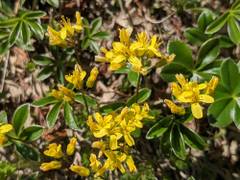
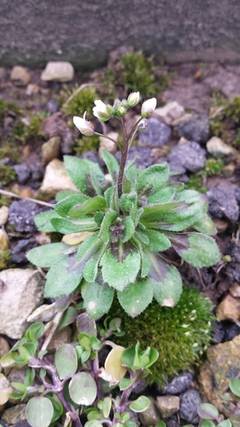
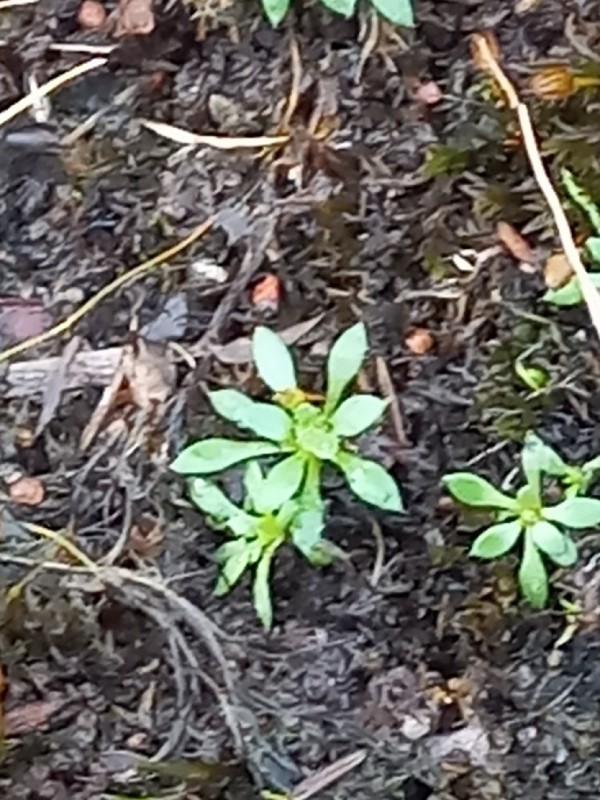
Draba is a genus of about 400 species in the cabbage family (Brassicaceae), most of them small tufted or cushion-forming alpine and arctic plants, with a minority of annuals. The perennial species form tight rosettes and low domes 1-6 inches (2.5-15 cm) high, packed with small, often hairy, grey-green leaves that withstand cold and wind. In early spring, slender stalks lift loose clusters of tiny four-petalled flowers, mostly bright yellow and in some species white, just above the foliage. The flowers are typical of the mustard family, with four petals in a cross, and are followed by small flattened seedpods. Most drabas come from mountains and tundra, growing in rock crevices, scree, and gritty ground where drainage is fast and competition is low. They are short in stature and bloom only briefly, and the cushion species are slow to establish. The genus needs sharp drainage and resents wet, humid summers, which rot the tight cushions at the crown.
Native Range
Native to mountains, tundra, and cold rocky habitats across the Northern Hemisphere and the high Andes, with the greatest diversity in alpine and arctic regions. Many species are confined to particular mountain ranges.Suggested Uses
Used in rock gardens, troughs, raised alpine beds, and crevice gardens where the early flowers and tight cushions sit among stone. The low domes suit container and alpine-house culture in climates with wet summers. The genus draws early pollinators when little else is in flower.How to Identify
Appearance
Size & Dimensions
Height1" - 6"
Width/Spread2" - 8"
Colors
Bloom Information
Flowering is early and brief, from late winter to mid-spring (February-April), as the snow clears in mountain habitats. The small flowers open in sun and are pollinated by early bees, flies, and other insects. Seed ripens quickly in small pods before the summer heat.
Detailed Descriptions
Flower Description
Yellow, some whiteFoliage Description
Gray-greenGrowing Conditions
Sun Requirements
Requires 6-12 hours of direct sunlight daily
• Full Sun: 6+ hours of direct sunlight
• Partial Shade: 3-6 hours of direct sunlight
• Full Shade: Less than 3 hours of direct sunlight
Care & Maintenance
Care Guide
Grow in full sun in gritty, sharply drained soil, scree, or troughs, where the crown stays dry; the cushion species withstand intense cold but rot in wet, humid summers. Most are hardy in USDA zones 3-7 and need lean, low-fertility conditions. A gravel mulch around the cushion helps keep moisture off the leaves and crown. Rich soil and shade make growth loose and short-lived. Annual species self-sow and need no special care, while the cushion perennials are slow and exacting. Overhead wet in summer is the main cause of loss, so plants are often grown under cover in an alpine house in damp climates.Pruning
Little pruning is needed; spent flower stalks are trimmed off after bloom to keep the cushions neat. Dead patches in older cushions are cut out to limit rot from spreading. Self-sown annual seedlings are thinned where they crowd choicer plants.Container Growing
Suitable for container growing
Minimum container size: 1 gallons