Diuris, Genus, pardina, Species,
- Genus & species
leopard orchid
Overview
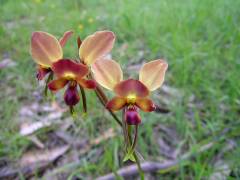
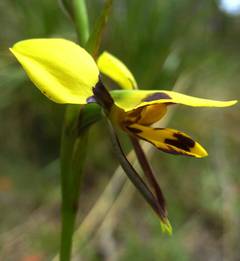
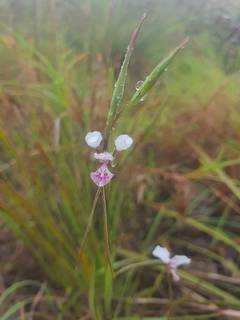
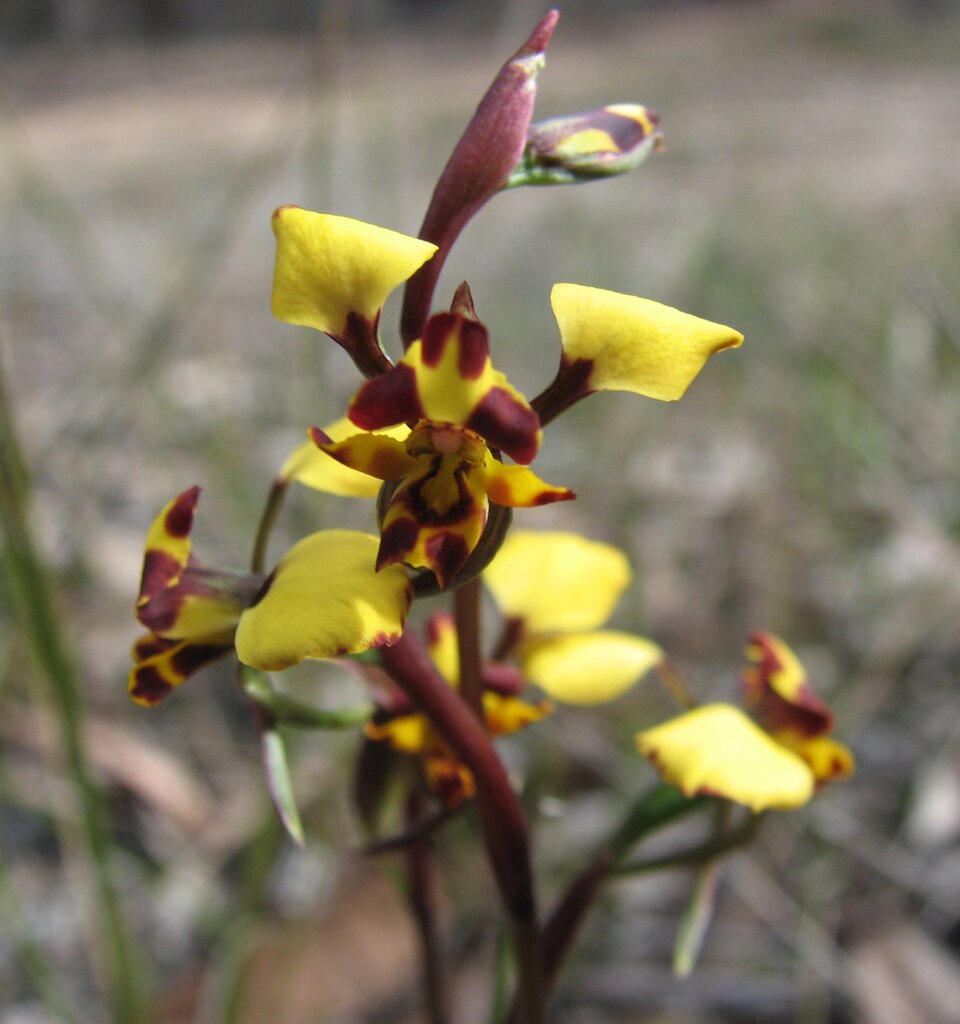
Diuris pardina is a terrestrial, tuberous orchid growing 10-30 cm (4-12 in) tall from underground tubers. One or two narrow grass-like leaves rise from the base. Each slender stem carries one to six flowers 1.5-2.5 cm (0.6-1 in) across, yellow and heavily marked with reddish-brown to purple blotches, with two narrow lateral sepals that hang downward and cross like tails. The upright dorsal sepal forms a hood and the lateral petals stand erect on slender stalks. Flowering occurs in spring, after which the plant dies back to the tuber for summer dormancy. The species grows in grassland, grassy woodland, and open forest in seasonally moist soils. Like many terrestrial orchids it associates with soil fungi that aid seed germination and nutrition. Limitation: the plant is dormant and invisible for much of the year, and it is hard to cultivate or transplant because of its fungal associations.
Native Range
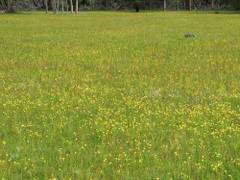
Southeastern Australia, including New South Wales, Victoria, Tasmania, and South Australia. It grows in grassland, grassy woodland, and open forest that is moist in winter and dry in summer.Suggested Uses
Grown by terrestrial-orchid enthusiasts in pots with a summer-dry regime, and conserved in native grassland and woodland habitat. It suits undisturbed grassland sites more than general garden beds.How to Identify
Appearance
Size & Dimensions
Height4" - 1'
Width/Spread2" - 6"
Bloom Information
Yellow-and-brown flowers open in spring, mainly August to October. Each stem carries up to six flowers that open in succession over two to four weeks. Flowering follows winter rains and is heaviest after fire or in open, recently disturbed grassland.
Detailed Descriptions
Flower Description
yellow with brown markingsFoliage Description
greenGrowing Conditions
Sun Requirements
Requires 4-8 hours of direct sunlight daily
• Full Sun: 6+ hours of direct sunlight
• Partial Shade: 3-6 hours of direct sunlight
• Full Shade: Less than 3 hours of direct sunlight
Care & Maintenance
Care Guide
Grows in seasonally moist, well-drained soils in full sun to light shade, with a wet winter-spring growing season and a dry summer dormancy. The tubers need to dry out over summer and rot in constantly wet soil. It depends on specific soil fungi, which makes it slow and hard to establish outside its natural habitat. Water is supplied by seasonal rain during growth and withheld during dormancy. Plants tolerate frost while dormant. The species is rarely cultivated and is usually left undisturbed in the wild.Pruning
No pruning is needed. The above-ground stem and leaves wither after flowering as the plant enters summer dormancy. Spent stems can be removed once dry.Container Growing
Suitable for container growing
Minimum container size: 1 gallons