Dirca, Genus, spp., Multiple species,
- Genus
- Multiple species
leatherwood
Overview
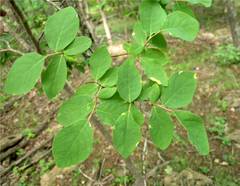
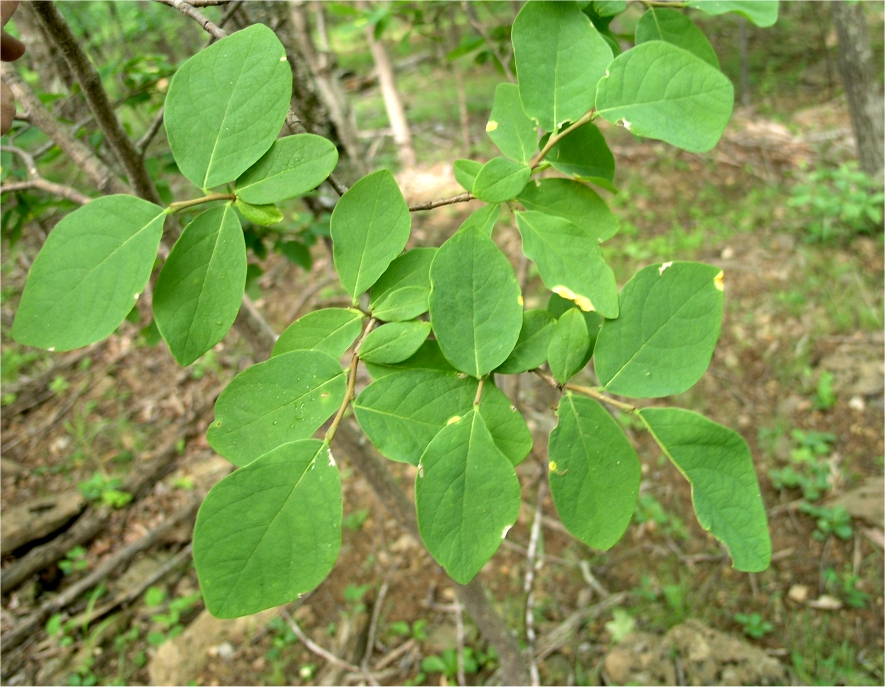
Dirca is a small genus of about four species of deciduous shrubs in the family Thymelaeaceae, native to North America. Plants grow slowly into rounded, open shrubs 3-6 feet (0.9-1.8 m) tall, occasionally taller, with jointed twigs and tough, pliable bark that can be bent and knotted without breaking. Small pale yellow tubular flowers hang in clusters of two to four along the bare stems in early spring, before the leaves expand. The alternate leaves are oval, 1.5-3 inches (4-8 cm) long, soft light green in summer and clear yellow in autumn. Pale green to reddish oval fruits follow, ripening in late spring to summer. D. palustris, eastern leatherwood, ranges across eastern North America, while D. occidentalis is confined to the San Francisco Bay area of California. Plants grow in shaded, moist woodland and need cool, humus-rich soil. The bark and fruit contain irritant compounds that can blister skin and cause stomach upset if eaten.
Native Range
Dirca is native to North America, with D. palustris widespread in moist deciduous woodland across the eastern United States and Canada, and D. occidentalis restricted to the San Francisco Bay region. Other species occur in the south-central United States and Mexico.Suggested Uses
Grown in shaded woodland and native plant gardens, in shrub borders under high tree canopy, and in naturalised understory plantings. The early flowers and yellow autumn leaves suit cool, moist shade gardens.How to Identify
Appearance
Size & Dimensions
Height3' - 6'
Width/Spread3' - 6'
Bloom Information
Flowering occurs in early spring, often March to April, when pale yellow tubular flowers hang in small clusters along the leafless stems. The flowers open early, before most woodland shrubs leaf out. Pale green to reddish fruits follow and ripen by early summer.
Detailed Descriptions
Foliage Description
light green, yellow in autumnGrowing Conditions
Sun Requirements
Tolerates up to 4 hours of direct sunlight daily
• Full Sun: 6+ hours of direct sunlight
• Partial Shade: 3-6 hours of direct sunlight
• Full Shade: Less than 3 hours of direct sunlight
Care & Maintenance
Care Guide
Dirca grows in part to full shade in cool, moist, humus-rich, well-drained woodland soil, matching its native understory habitat. Plants are slow-growing and long-lived, and grow poorly on hot, dry, or compacted sites. Steady moisture and a mulch of leaf litter support the shallow roots, while full sun and drought cause leaf scorch and dieback. The genus is cold-hardy through about USDA zones 4 to 8 for the eastern species, with the California species suited to milder zones. Transplanting is done while plants are small, because established shrubs move poorly. Little feeding is needed in soils already rich in organic matter.Pruning
Little pruning is needed because plants grow slowly into a naturally rounded shape. Dead or damaged twigs can be removed after flowering. Hard pruning is rarely warranted and slow to be covered by new growth.Pruning Schedule
Prune: May
late spring