Dichorisandra, Genus, spp., Multiple species,
- Genus
- Multiple species
Overview
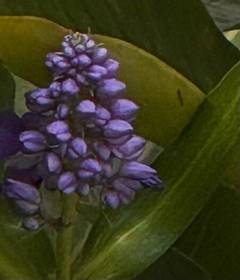
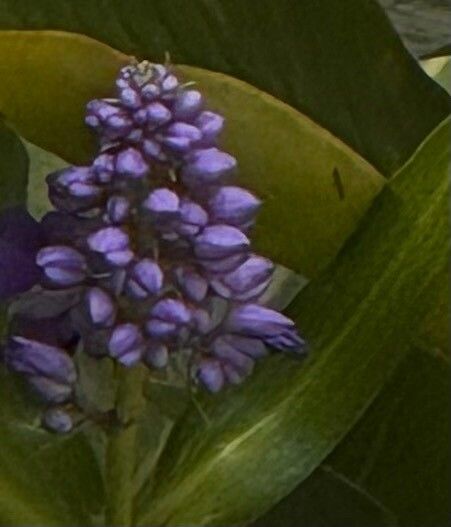
Dichorisandra is a genus of about 30 evergreen perennials in the spiderwort family (Commelinaceae), native to tropical Central and South America, with many species from Brazil. Despite the common name blue ginger used for D. thyrsiflora, they are not true gingers but relatives of the spiderworts. The plants form clumps of erect, cane-like stems 3-8 feet (0.9-2.4 m) tall, set with glossy, spirally arranged leaves that are sometimes striped or flushed with purple beneath. In late summer and autumn the stems are topped by dense, upright clusters of deep blue to violet flowers with white or yellow centres, opening over several weeks. They grow naturally in the shaded, humid understorey of tropical forest and depend on warmth, moisture, and shelter from strong sun and wind. The canes can become top-heavy and may need support in exposed positions. Outside the tropics they are grown as warm-climate landscape plants in shade or as container and conservatory plants brought under cover in winter, as they are damaged by frost. The blue flowers and glossy foliage are grown in shaded tropical and subtropical plantings and as long-lasting cut stems.
Native Range
Native to tropical Central and South America, especially Brazil, growing in the shaded, humid understorey of rainforest and along forest margins.Suggested Uses
Grown in shaded tropical and subtropical borders, courtyards, and understorey plantings for blue autumn flowers and glossy foliage, and as a container or conservatory plant in cooler regions. The upright stems are used among ferns and other shade plants, and the flower stems last well when cut.How to Identify
Appearance
Size & Dimensions
Height3' - 8'
Width/Spread2' - 4'
Bloom Information
Detailed Descriptions
Flower Description
deep blue to violetFoliage Description
glossy green, purple beneathGrowing Conditions
Sun Requirements
Requires 2-6 hours of direct sunlight daily
• Full Sun: 6+ hours of direct sunlight
• Partial Shade: 3-6 hours of direct sunlight
• Full Shade: Less than 3 hours of direct sunlight
Care & Maintenance
Care Guide
Grow in partial to full shade in moist, fertile, humus-rich, well-drained soil with a slightly acidic pH of 5.5-6.5. Warmth, steady moisture, and high humidity suit the plants, which reflect their rainforest origins, while cold and dry air check growth. They are frost-tender and grown outdoors only in USDA zones 9-11, or in containers moved under cover for winter elsewhere. Shelter from strong sun and wind reduces leaf scorch and stem damage. Feeding through the growing season supports full canes, and crowded clumps can be divided in spring. Tall stems may need staking in open sites.Pruning
Spent flower clusters and old or damaged canes are cut out at the base after flowering or in spring. Removing the oldest canes encourages fresh growth from the clump. Frost-damaged stems are trimmed back once the danger of frost has passed.Pruning Schedule
Prune: March–April
early spring
Container Growing
Suitable for container growing
Minimum container size: 5 gallons