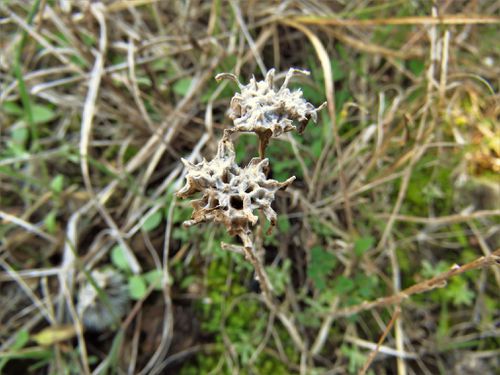
Diaperia, Genus, spp., Multiple species,
- Genus
- Multiple species
Overview
Diaperia is a genus of about four small annual herbs in the daisy family (Asteraceae), native to North America, mainly the central and southern United States and Mexico. Once included in the genus Evax, these are low, branched plants 1-6 inches (2.5-15 cm) tall, covered in dense white to grey woolly hairs that give them a felted, silvery look. The narrow leaves are crowded along the stems and around the flower heads. The flower heads are very small and lack showy ray florets; the tiny disk flowers are packed into woolly clusters nestled among the upper leaves, so the plants are easy to overlook in bloom. Flowering occurs in spring, after which the plants set seed and die. They grow on dry, open, sandy or gravelly ground, including disturbed sites, roadsides, and thin soils over rock, where competition from larger plants is low. As tiny, short-lived annuals with inconspicuous flowers they have little ornamental use and are mainly recorded as native components of dry grassland and barrens. Their low, woolly form is an adaptation to heat, drought, and exposed mineral soils.
Native Range
Native to North America, chiefly the central and southern United States from the Great Plains to the Gulf states and into Mexico, in dry grassland, sandy barrens, and open disturbed ground.Suggested Uses
Mainly of botanical and restoration interest in dry grassland, sandy barrens, and rock-outcrop plantings within its native range. The low woolly plants can fill thin, dry mineral soils where taller species struggle.How to Identify
Appearance
Size & Dimensions
Height1" - 6"
Width/Spread1" - 6"
Colors
Bloom Information
Flowering occurs in spring, mainly March to June depending on latitude and rainfall. The minute woolly heads are inconspicuous and are followed quickly by seed. The whole life cycle is completed within a few months.
Detailed Descriptions
Foliage Description
grey-green, white-woollyGrowing Conditions
Sun Requirements
Requires 6-12 hours of direct sunlight daily
• Full Sun: 6+ hours of direct sunlight
• Partial Shade: 3-6 hours of direct sunlight
• Full Shade: Less than 3 hours of direct sunlight
Water & Climate
Water Needs
Drought Tolerance
Drought tolerant when established
Care & Maintenance
Care Guide
Grow in full sun and dry, free-draining sandy or gravelly soil with a near-neutral to alkaline pH of 6.0-8.0. As a dry-ground annual it needs little or no irrigation and rots in rich, wet soil. Seed is sown directly or self-sows on open mineral soil with little competition. No fertiliser is needed on lean soils. Plants tolerate heat, drought, and poor ground but are crowded out by taller vegetation. They complete their cycle in a single season and return from self-sown seed.Pruning
No pruning is needed for these tiny annuals. Spent plants can be left to self-sow or cleared once seed has shed. No cutting back is practised during the short growing season.Toxicity: Not assessed
UnknownPlanting Guide
Planting Methods & Timing
Planting Method
direct sow
Direct Sow Timing
Autumn or early spring on open mineral soil
Plant Spacing
4 inches
