Flowering Shrub
Deutzia, Genus, scabra, Species,
- Genus & species
Fuzzy deutzia
Overview
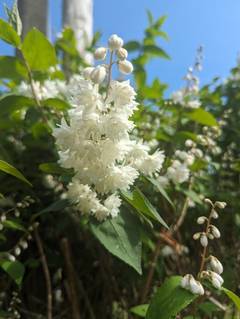
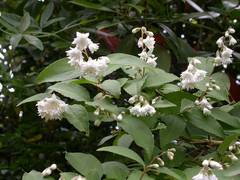
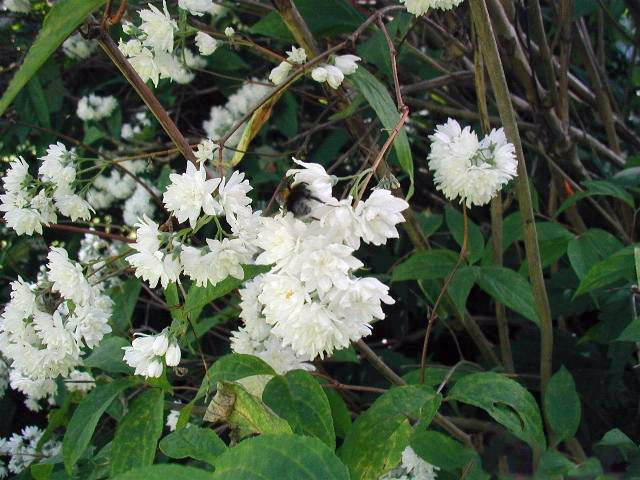
Deutzia scabra is a deciduous, upright shrub that grows 6–10 feet (1.8–3 m) tall and 4–6 feet (1.2–1.8 m) wide, with arching branches and exfoliating tan to brown bark on older stems. Leaves are opposite, ovate to oblong-lanceolate, 1.5–3.5 inches (4–9 cm) long, with toothed margins and a rough surface from star-shaped hairs, which gives the species its name. Flowers are white, 0.5–0.75 inch (1.3–1.9 cm) across, five-petaled, in upright panicles 3–5 inches (7–12 cm) long, and bloom in early summer. Double-flowered forms with pink-tinged petals are common in cultivation. Fruits are small, rounded capsules 0.2 inch (5 mm) across that persist into winter. The shrub is hardy in USDA zones 5–8. Flower buds form on the previous year's wood, and late spring frosts kill flower buds in cold sites. Foliage color in fall is dull yellow-brown, and growth is dense and coarse in texture.
Native Range
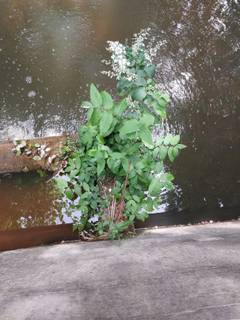
Deutzia scabra is native to Japan, where it grows on sunny slopes, in thickets, and along woodland margins. It is widely cultivated in temperate regions of Europe and North America.Suggested Uses
Deutzia scabra is used in mixed shrub borders, informal hedges, and woodland edges, with spacing of 4–6 feet (1.2–1.8 m) between plants. Cut flowering stems are used in arrangements.How to Identify
Appearance
Size & Dimensions
Height6' - 10'
Width/Spread4' - 6'
Bloom Information
Detailed Descriptions
Flower Description
White, sometimes pink-tingedFoliage Description
Medium green with rough, hairy surfaceGrowing Conditions
Sun Requirements
Requires 4-10 hours of direct sunlight daily
• Full Sun: 6+ hours of direct sunlight
• Partial Shade: 3-6 hours of direct sunlight
• Full Shade: Less than 3 hours of direct sunlight
Care & Maintenance
Care Guide
Deutzia scabra grows in full sun to part shade, with 4–8 hours of direct light, in moist, well-drained soil of pH 6.0–7.0. Flowering is heaviest with 6 or more hours of sun. Established plants tolerate short dry spells, and 1 inch (2.5 cm) of water weekly is applied in the first 2 years. Hardiness is USDA zones 5–8, with stem tip dieback in cold winters and loss of flower buds in late frosts. A 2–3 inch (5–8 cm) mulch layer limits root drying. Few insect or disease problems are recorded, though leaf spots and aphids occur occasionally.Pruning
Pruning takes place immediately after flowering, since flower buds for the next year form on new growth by late summer. Up to one-third of the oldest stems are cut to the base each year to maintain density, and spent flower stems are shortened. Plants regrow from the base after cutting to 6–12 inches (15–30 cm), and flowering is reduced for 1–2 seasons.Pruning Schedule
Prune: June–July
late springsummer