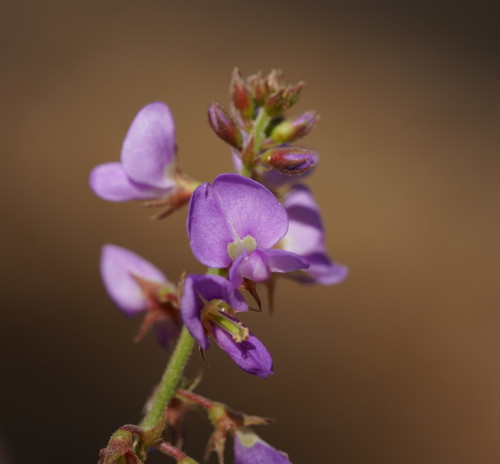
Desmodium, Genus, rhytidophyllum, Species,
- Genus & species
rusty tick-trefoil
Overview
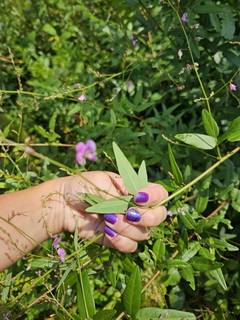
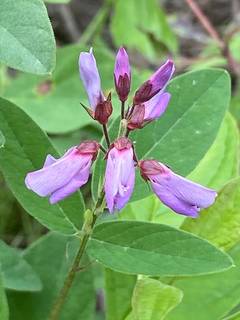
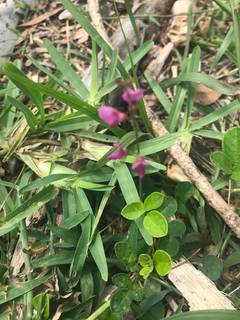
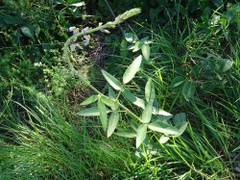
Desmodium rhytidophyllum is a low spreading perennial subshrub reaching 8-24 inches (20-60 cm) tall, with slender stems that trail and root at the base. Leaves are divided into three leaflets, the central one largest at 1-2.5 inches (2.5-6 cm) long, dull green above and covered in rust-coloured hairs beneath, with a wrinkled upper surface. Small pea-shaped flowers, 0.2-0.3 inch (5-8 mm) long, are pink to mauve, carried in slender sprays above the foliage. Flowering occurs through the warmer months. Flat seed pods break into segments covered in hooked hairs that cling to fur and clothing, aiding dispersal. Growth is moderate, with plants spreading laterally over one to two seasons. As a legume it fixes nitrogen through root nodules. The clinging seed segments can become a nuisance in lawns and on animals. Top growth dies back in frost and dry periods, reshooting from the rootstock.
Native Range
Native to eastern Australia, from Queensland through New South Wales to Victoria. Grows in open eucalypt forest, woodland, and grassy clearings in a range of well-drained soils.Suggested Uses
Used in native ground layers, revegetation, and informal banks, spaced 16-24 inches (40-60 cm) apart. Suits low-fertility sites where its nitrogen fixation supports neighbouring plants. The hook-haired seed segments make it less suited to lawns and areas used by pets.How to Identify
Appearance
Size & Dimensions
Height8" - 2'
Width/Spread1'4" - 3'
Bloom Information
Flowers through the warmer months (spring to autumn, October to April in its native range). Individual flowers are short-lived, but the slender flower sprays produce blooms in succession over several weeks. Flowering is heavier after summer rain.
Detailed Descriptions
Flower Description
pink to mauveFoliage Description
dull green with rusty undersidesGrowing Conditions
Sun Requirements
Requires 4-8 hours of direct sunlight daily
• Full Sun: 6+ hours of direct sunlight
• Partial Shade: 3-6 hours of direct sunlight
• Full Shade: Less than 3 hours of direct sunlight
Care & Maintenance
Care Guide
Grows in full sun to part shade in most well-drained soils. Water during establishment; established plants tolerate dry conditions and die back to the rootstock in drought. Tolerates light to moderate frost, regrowing in spring. As a nitrogen-fixing legume it grows in low-fertility soils without added feeding. Few pests are recorded. Cut back spent growth in late winter to tidy the plant and reduce seed spread.Pruning
Cut back to near ground level in late winter before new growth begins to remove old stems and limit the spread of clinging seed. Light trimming during the season reduces self-layering. No structural pruning is required.Pruning Schedule
Prune: July–August
winter