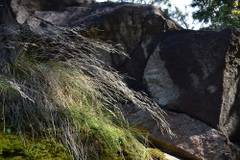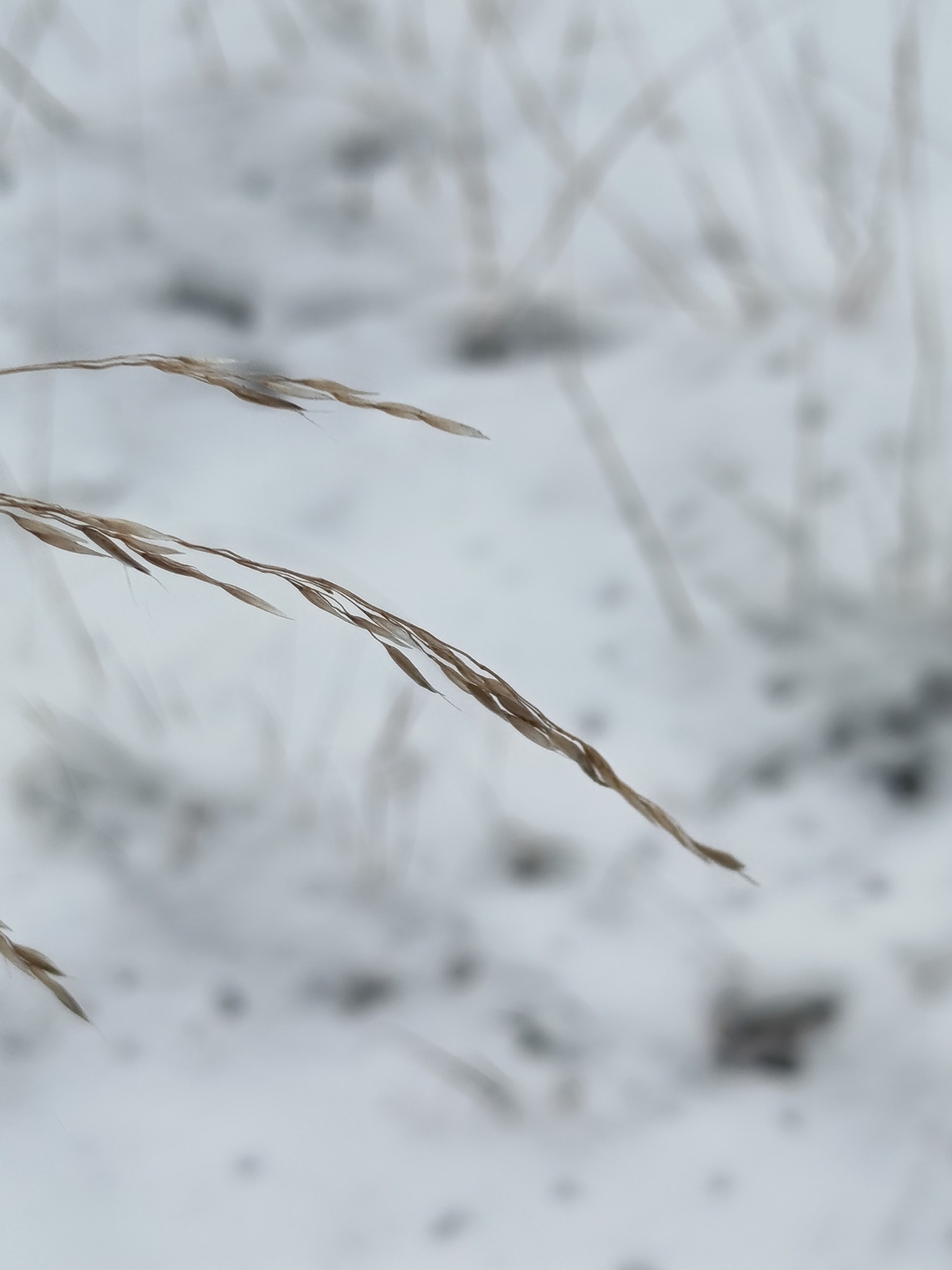
Deschampsia, Genus, flexuosa, Species,
- Genus & species
wavy hair grass
Circumboreal — native to Europe, Asia, and North America in acidic woodlands, heathlands, conifer forest understory, and acid-soil prairies; North American range spans Alaska and Canada south through Appalachian and Pacific Northwest mountain regions; European range covers British Isles, Scandinavia, and boreal-temperate forest belt; Asian range extends across Russia and northern Japan
Overview
Deschampsia flexuosa is wavy hair grass — a circumboreal cool-season ornamental grass in the family Poaceae growing 12–24 inches (30–60 cm) tall with panicles and 12–18 inches (30–45 cm) wide in a compact clumping habit. The species name 'flexuosa' translates as 'wavy' or 'zigzag', describing the characteristic wavy branching pattern of the airy panicles — the flower stems bend at each node in a zigzag form rather than running straight, giving the inflorescence a noticeably different silhouette from the straight-branched panicles of typical ornamental grasses. Dark green very narrow thread-like evergreen foliage forms a compact basal tuft. Silvery-bronze open airy panicles emerge in early summer (June–July) and persist for 4 weeks. The cultivation niche separates the species from most ornamental grasses: D. flexuosa runs as the shade grass for dry acidic soil (pH 4.5–6.5), growing naturally under oak, pine, and heath canopy where the soil runs lean, acidic, and dry. Most ornamental grasses require neutral to alkaline soil and full sun; D. flexuosa runs in the opposite conditions and fills the niche where most grasses fail. Cool-season — emerges and grows through cool spring and fall conditions and slows during summer heat. Hardy to USDA zone 3. Native across the Northern Hemisphere with a circumboreal distribution that spans Europe, Asia, and North America. Deer avoid the foliage. Not known to be toxic to pets or humans.
Native Range
Deschampsia flexuosa is circumboreal — native to Europe, Asia, and North America in acidic woodlands, heathlands, conifer forest understory, and acid-soil prairies. The North American range spans from Alaska and Canada south through the Appalachian and Pacific Northwest mountain regions; the European range covers the British Isles, Scandinavia, and the boreal-temperate forest belt; the Asian range extends across Russia and northern Japan.Suggested Uses
Used under oak and pine canopy, in acidic woodland gardens, on dry shaded slopes, in heath plantings, and in containers of 3 gallons (11 liters) or more with acidic potting mix. The shade grass for dry acidic soil runs as the cultivation niche where most ornamental grasses fail — gardens with established oak or pine canopy and acid-soil conditions can host the species in positions where Miscanthus, Panicum, and similar grasses would decline. Pairs with companion acid-soil shade plants (Rhododendron, Azalea, Vaccinium blueberries, Gaultheria, Trillium) in compositions where the silvery-bronze panicles add a cool-season grass texture to the typical shade-garden palette of broad-leaved ericaceous shrubs and woodland forbs.How to Identify
Appearance
Size & Dimensions
Height1' - 2'
Width/Spread1' - 1'6"
Bloom Information
Flowering in June and July across approximately 4 weeks. Silvery-bronze airy open panicles with zigzag wavy branching stems emerge from the basal tuft and stand above the foliage. The cool-season grass produces the inflorescence in early summer rather than the late-summer-to-fall timing of warm-season prairie grasses. Plants run wind-pollinated; insect activity at the flowers runs minimal compared to flowering forb species in the same garden context.
Detailed Descriptions
Flower Description
Silvery-bronze; airy open panicles with characteristic wavy (zigzag) branching stemsFoliage Description
Dark green; very narrow thread-like evergreen leaf blades in basal tuftGrowing Conditions
Sun Requirements
Requires 2-6 hours of direct sunlight daily
• Full Sun: 6+ hours of direct sunlight
• Partial Shade: 3-6 hours of direct sunlight
• Full Shade: Less than 3 hours of direct sunlight
Care & Maintenance
Care Guide
Plant in partial to full shade with 2–6 hours of dappled or filtered light. Acidic soil at pH 4.5–6.5 suits the species; the dry-acidic-shade niche runs as the defining cultural requirement. Dry to medium soil moisture; the species tolerates dry shade once established and runs unsuited to wet sites. Cool-season growth pattern means the foliage flushes in spring and fall and slows during summer heat. Comb out dead foliage with fingers or a rake in early spring before new growth emerges; the species runs evergreen and does not need full cutback like warm-season grasses. Hardy to USDA zone 3, which extends the cultivation range further north than most ornamental grass species. No fertilization — the lean-soil adaptation runs disrupted by added fertility.Pruning
Comb out dead foliage with fingers or a rake in early spring before new growth emerges. Do not cut the species back entirely — the evergreen basal tuft persists through winter and resumes growth in spring from the existing foliage rather than from the crown. No other seasonal pruning is needed.Pruning Schedule
Prune: March
spring
Container Growing
Suitable for container growing
Minimum container size: 3 gallons