Dermatophyllum, Genus, secundiflorum, Species,
- Genus & species
Texas mountain laurel
South-central United States and northern Mexico
Overview
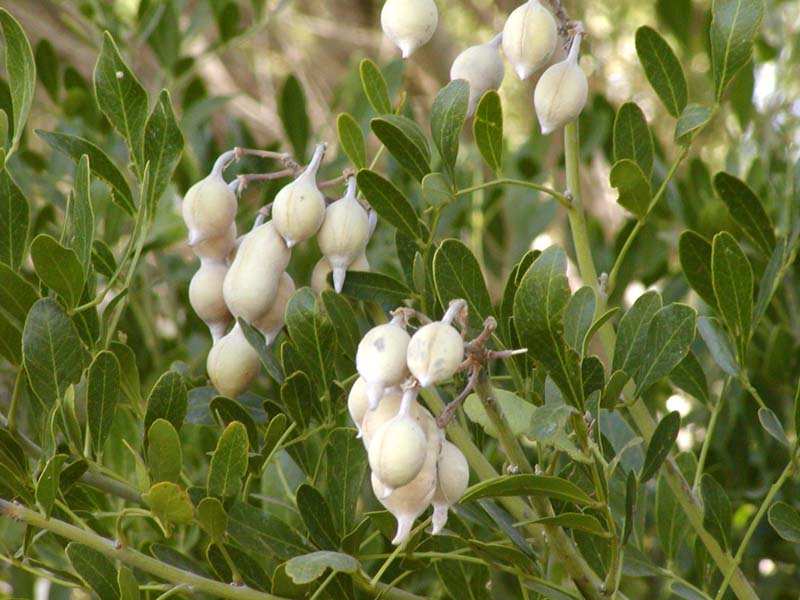
Dermatophyllum secundiflorum is an evergreen shrub or small tree of the legume family, native to the south-central United States and Mexico, usually 10-15 feet (3-4.5 m) tall and occasionally to 25 feet (7.5 m). It carries a dense, upright crown of glossy, leathery dark green leaves that are pinnately compound, each with 7-13 rounded leaflets 0.5-2 inches (1.3-5 cm) long. In early spring it bears drooping clusters of purple to violet-blue pea-like flowers 3-5 inches (8-13 cm) long with a strong scent often compared to grape soda. The flowers give way to hard, woody, silvery-hairy pods 1-7 inches (2.5-18 cm) long, constricted between the seeds, that hold bright red-orange seeds. All parts, and the seeds in particular, contain the alkaloid cytisine and are poisonous if chewed and swallowed. It withstands heat, drought, and alkaline rocky soils but grows slowly and declines in wet or poorly drained ground.
Native Range
Native to the south-central United States and northern Mexico, from central and west Texas and southern New Mexico south into Coahuila, Nuevo Leon, and Tamaulipas. It grows on limestone hills, canyon slopes, and brushlands, often on shallow alkaline soils.Suggested Uses
Used as an evergreen specimen, screen, or patio tree in hot, dry, alkaline-soil regions, and in xeriscape and native plantings. Its poisonous seeds make it less suited to areas used by young children or livestock.How to Identify
Appearance
Size & Dimensions
Height10' - 15'
Width/Spread8' - 10'
Bloom Information
Flowering occurs in early spring, usually February to April, before or as new growth begins. The drooping purple to violet clusters carry a sweet grape-like fragrance and draw bees. Woody pods form through summer and ripen by autumn, splitting to expose red seeds.
Detailed Descriptions
Flower Description
purple to violet-blueFoliage Description
dark greenGrowing Conditions
Sun Requirements
Requires 6-12 hours of direct sunlight daily
• Full Sun: 6+ hours of direct sunlight
• Partial Shade: 3-6 hours of direct sunlight
• Full Shade: Less than 3 hours of direct sunlight
Care & Maintenance
Care Guide
Grows in full sun to part shade on well-drained, alkaline, rocky or sandy soils and tolerates heat, drought, and reflected sun once established. It is hardy in USDA zones 7-10 and withstands wind and poor soil but is damaged by hard freezes below about 10 degrees F (-12 C). Growth is slow, and the plant needs little water after the first year or two, as wet or heavy soils cause root rot and chlorosis. Caterpillars of the genista moth can defoliate new growth in spring and may need control. It transplants most successfully when young because of a deep taproot. Overwatering and shade reduce flowering and produce leggy growth.Pruning
Pruning is most useful for shaping young plants and removing dead or crossing branches after flowering in spring. The slow growth means little routine cutting is needed. Removing spent pods is optional and does not affect the plant health.Container Growing
Suitable for container growing
Minimum container size: 10 gallons