Delosperma, Genus, spp., Multiple species,
- Genus
- Multiple species
Sheepfigs
Overview
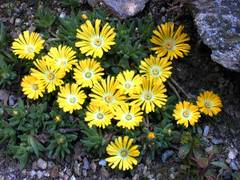
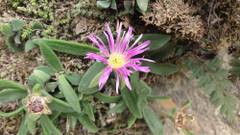
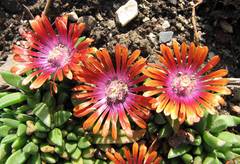
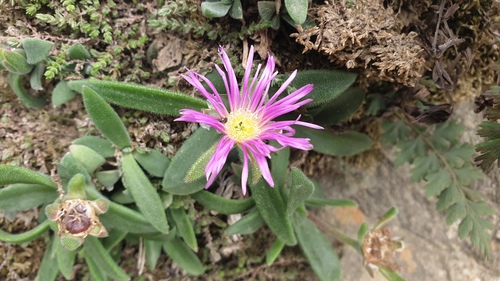
Delosperma is a genus of about 150 succulent perennials in the ice plant family (Aizoaceae), native to southern and eastern Africa. Most species form low, spreading mats 5-15 cm (2-6 in) high that creep outward to 30-60 cm (12-24 in), though a few build into low subshrubs to 30 cm (12 in). The fleshy leaves are green, cylindrical to three-sided or flattened, and clothed in tiny glistening cells that give the plants their common name. From late spring into autumn the plants carry many-petalled, daisy-like flowers 2-5 cm (1-2 in) across in magenta, purple, pink, yellow, orange, and white, which open in sunshine and close in dull weather. Flowering is heavy and recurrent over a long season. The genus is adapted to dry, sunny habitats on rocky and sandy ground, and plants store water in their leaves to carry them through drought. Cold tolerance varies sharply: species such as D. cooperi and D. nubigenum survive to about USDA zone 5, while many others are damaged below freezing. Sharp drainage is critical, as the succulent crowns rot in wet, heavy soil over winter.
Native Range
Delosperma is native to southern and eastern Africa, with its greatest diversity in South Africa, extending into the Drakensberg mountains and north to Ethiopia and the Arabian Peninsula. High-altitude species account for the genus hardiest members.Suggested Uses
Delosperma species are planted as drought-tolerant groundcover on banks, in rock gardens, between paving, and in green-roof and xeriscape plantings. Trailing forms spill over walls and container edges. The open flowers draw bees and butterflies through the warm months.How to Identify
Appearance
Size & Dimensions
Height2" - 1'
Width/Spread1' - 2'
Bloom Information
Bloom begins in late spring and recurs through summer into autumn, peaking in warm, sunny spells. Individual flowers last several days, and the long succession can cover the foliage for weeks at a time. Flowers stay shut on overcast days and at night.
Detailed Descriptions
Flower Description
magenta, purple, pink, yellow, orange, or whiteFoliage Description
greenGrowing Conditions
Sun Requirements
Requires 6-12 hours of direct sunlight daily
• Full Sun: 6+ hours of direct sunlight
• Partial Shade: 3-6 hours of direct sunlight
• Full Shade: Less than 3 hours of direct sunlight
Water & Climate
Water Needs
Drought Tolerance
Drought tolerant when established
Care & Maintenance
Care Guide
Plants grow in full sun on gritty, sharply drained soil at a pH of 6.0-7.5. Once established they need little water and withstand heat and drought, drawing on moisture stored in their leaves. Winter wet is the main hazard, since the crowns rot in cold, saturated ground. Cold hardiness depends on the species, ranging from about USDA zone 5 to zone 10. A gravel mulch helps keep the crown dry and reduces rot.Pruning
A light shearing after the main flush tidies the mats and can prompt a second flowering. Taking off spent flowers improves the look of the planting but is not essential. Frost-damaged growth is cut away in spring once new shoots appear.Container Growing
Suitable for container growing
Minimum container size: 2 gallons