Dasiphora, Genus, spp., Multiple species,
- Genus
- Multiple species
shrubby cinquefoils
Circumboreal - cool temperate Northern Hemisphere
Overview
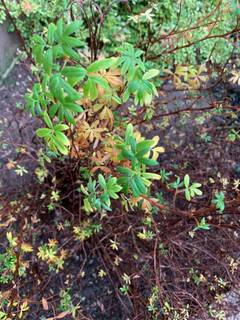
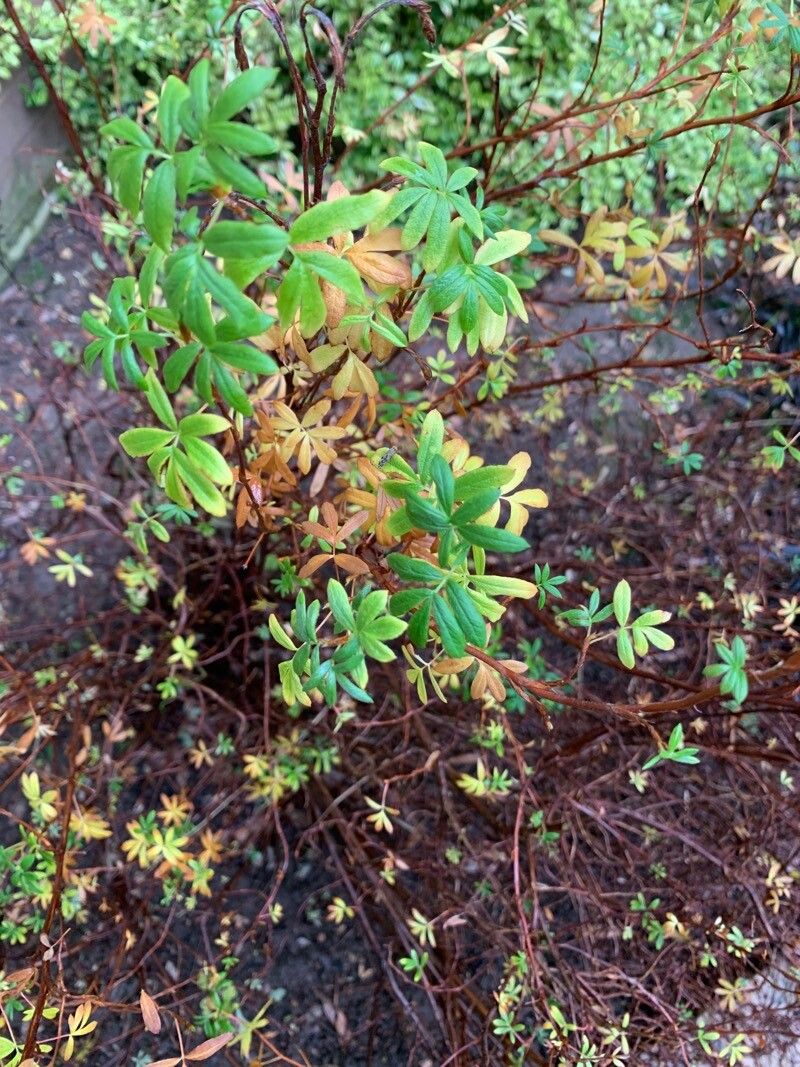
Dasiphora is a small genus of deciduous shrubs in the rose family (Rosaceae), centred on shrubby cinquefoil D. fruticosa, long grown as a hardy garden plant and formerly placed in Potentilla. Plants form dense, twiggy, rounded mounds 1-4 feet (0.3-1.2 m) tall and 2-4 feet (0.6-1.2 m) wide, with small pinnate blue-green to grey-green leaves divided into three to seven narrow leaflets. From early summer into autumn the shrubs carry a long succession of flat, five-petalled saucer-shaped flowers about 0.75-1.5 inches (2-4 cm) across, butter-yellow in wild plants and white, orange, pink, or red in named cultivars. The shrubs are circumboreal, growing wild across the cool temperate Northern Hemisphere, and they are extremely cold-hardy, surviving to USDA zone 2. Dasiphora tolerates poor soil, wind, cold, and drought once established, though the flowers of some yellow forms fade in strong summer heat and sun. The small leaves and twiggy branches give a dense, mounded look through the season.
Native Range
Dasiphora is circumboreal, native across the cool temperate and subarctic Northern Hemisphere, including northern North America, Europe, and Asia, where it grows on rocky slopes, moist meadows, and streambanks.Suggested Uses
Used as a low hedge, foundation shrub, mass planting, and groundcover on banks, spaced 2-3 feet (0.6-0.9 m) apart, and in containers. The long flowering season suits mixed borders and low-maintenance and cold-climate gardens. The flowers draw bees and other pollinators.How to Identify
Appearance
Size & Dimensions
Height1' - 4'
Width/Spread2' - 4'
Bloom Information
Shrubby cinquefoil flowers over a long season from early summer into autumn, roughly June to September, opening a steady succession of saucer-shaped blooms rather than a single flush. Bloom is heaviest in full sun. Some yellow-flowered forms pale in extreme heat.
Detailed Descriptions
Flower Description
yellow, also white, orange, pink, or red in cultivarsFoliage Description
blue-green to grey-greenGrowing Conditions
Sun Requirements
Requires 6-12 hours of direct sunlight daily
• Full Sun: 6+ hours of direct sunlight
• Partial Shade: 3-6 hours of direct sunlight
• Full Shade: Less than 3 hours of direct sunlight
Care & Maintenance
Care Guide
Grow Dasiphora in full sun in almost any well-drained soil, from sandy to clay and acidic to alkaline, across a pH of about 5.5-7.5. The shrubs tolerate cold, wind, drought, and poor fertility once established and need little water. Light feeding and an annual late-winter prune keep plants dense and free-flowering. Flowering thins in shade and in hot, humid summers. Plants are cut back hard every few years to renew leggy, woody growth. They have few pest or disease problems.Pruning
Prune in late winter or early spring before growth begins, shortening stems by about one-third to keep the mound dense. Cut older, woody specimens back hard every few years to renew them, as the shrubs resprout from old wood. Light shearing after the first flush tidies the plant.Container Growing
Suitable for container growing
Minimum container size: 3 gallons