Dalea, Genus, spp., Multiple species,
- Genus
- Multiple species
prairie clovers
The Americas, chiefly southwestern North America, Mexico, and Central America
Overview
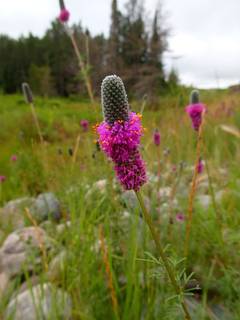
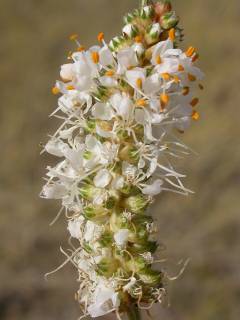
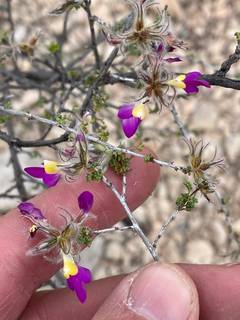
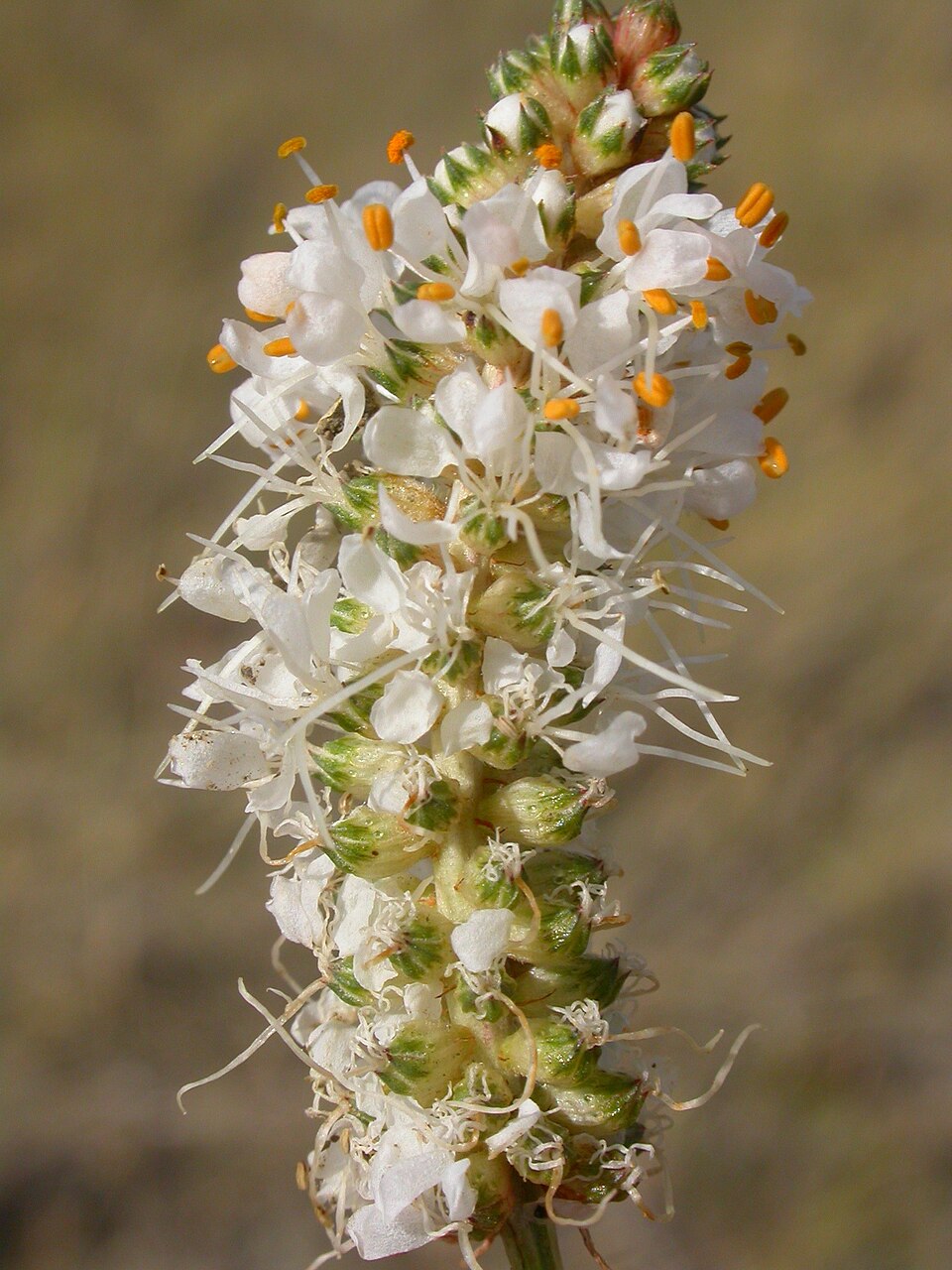
Dalea is a genus of roughly 160 annual and perennial herbs and low shrubs in the legume family (Fabaceae), known as prairie clovers and indigo bushes, native to the Americas. Most species form upright to spreading clumps 1-3 ft (30-90 cm) tall, though trailing species such as D. greggii stay under 12 in (30 cm) and spread several feet wide. The pinnately compound leaves carry small leaflets dotted with resin glands that release a scent when crushed. Tiny pea-like flowers pack into dense cylindrical or cone-shaped spikes 0.5-2.5 in (1.3-6 cm) long in purple, rose, white, or yellow, opening in a ring that moves up the spike. As legumes, Dalea species fix nitrogen through root bacteria and grow well on poor, dry soils. D. purpurea and D. candida are prairie wildflowers of central North America, while many species occur in the deserts and grasslands of the Southwest and Mexico. The deep taproot makes established plants drought tolerant but slow to transplant. The flowers draw many native bees and butterflies.
Native Range
Dalea is native to the Americas, with the greatest diversity in the grasslands, prairies, and deserts of the southwestern United States, Mexico, and Central America, and outliers into South America. D. purpurea and D. candida range widely across the central and prairie regions of North America. Plants grow in dry, open, sunny habitats with sharp drainage.Suggested Uses
Planted in prairie and meadow gardens, pollinator plantings, rock gardens, dry slopes, and roadside or restoration seedings, with trailing species used as drought-tolerant ground cover. The flowers feed native bees and butterflies and the seeds feed birds. Spaced 12-24 in (30-60 cm) apart in dry borders and meadows.How to Identify
Appearance
Size & Dimensions
Height6" - 3'
Width/Spread1' - 4'
Bloom Information
Dalea flowers mainly from early summer into autumn, often June to September, with desert species blooming after seasonal rains. Each cone-shaped spike opens its flowers in a slowly rising ring over one to three weeks. The bloom season draws a steady run of native bees.
Detailed Descriptions
Flower Description
Purple, rose, white, or yellowFoliage Description
Green to gray-greenGrowing Conditions
Sun Requirements
Requires 6-10 hours of direct sunlight daily
• Full Sun: 6+ hours of direct sunlight
• Partial Shade: 3-6 hours of direct sunlight
• Full Shade: Less than 3 hours of direct sunlight