Dactylis, Genus, spp., Multiple species,
- Genus
- Multiple species
Cock's-foot
Europe, North Africa, and temperate Asia
Overview
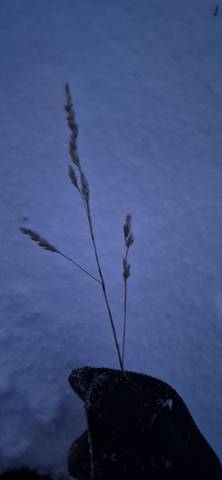
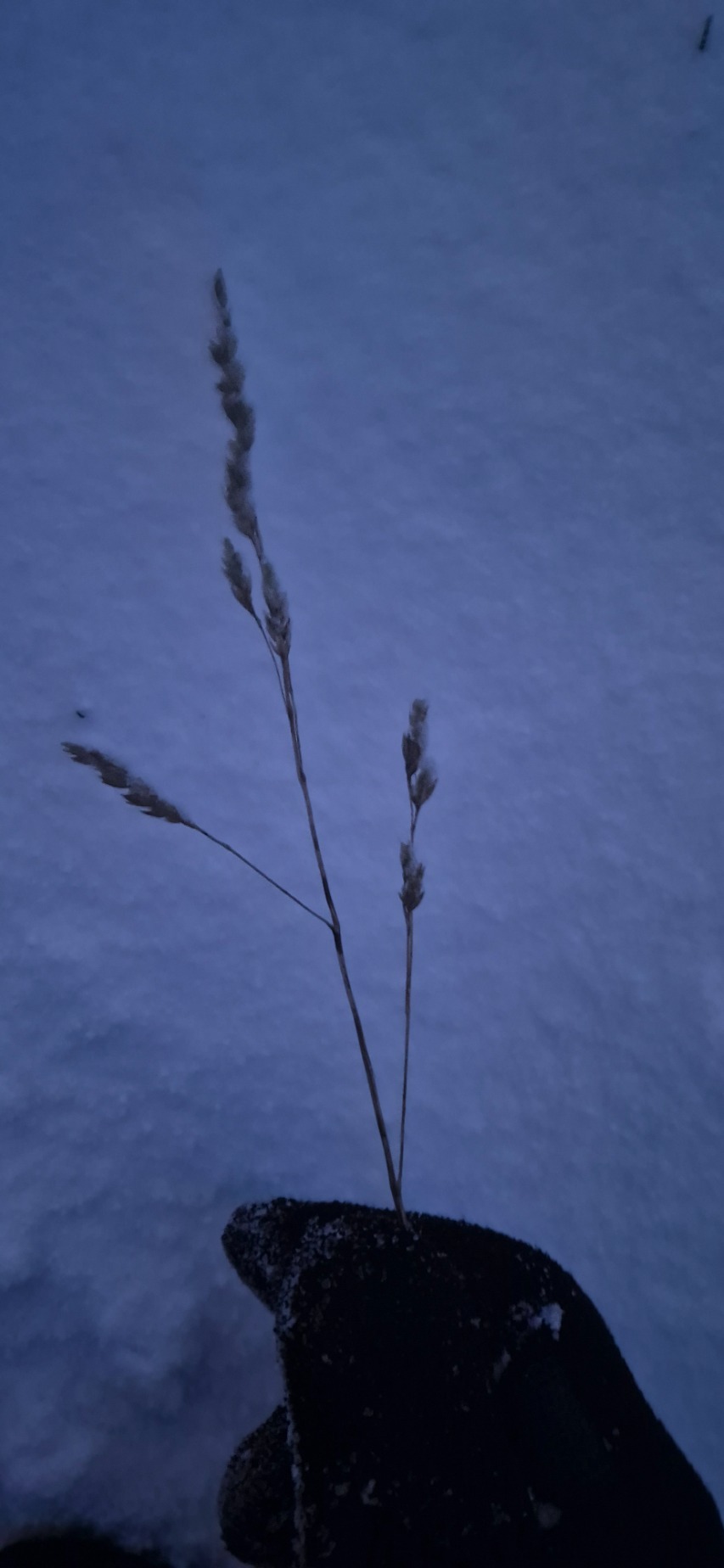
Dactylis is a genus of tufted perennial grasses in the grass family (Poaceae), centred on the widespread D. glomerata, known as cock's-foot or orchard grass, with a few additional segregate species across Europe, North Africa, and temperate Asia. Plants form dense tussocks of folded blue-green to grey-green leaves and stout flowering stems 16-55 inches (40-140 cm) tall. The flower heads consist of dense one-sided clusters of spikelets gathered at the ends of stiff, spreading branches, giving a clenched, claw-like outline that suggests the common name cock's-foot. The heads are green to purplish when young and dry to straw colour. Dactylis is wind-pollinated and a frequent cause of summer hay fever where it grows abundantly. A vigorous, deep-rooted, drought-resistant grass, it is grown worldwide for hay, pasture, and silage and has naturalised far beyond its native range, sometimes crowding out finer native grasses in meadows and roadsides. The tussocks give cover and seed for grassland wildlife. The genus tolerates a wide range of soils and climates but spreads readily and can dominate ungrazed grassland.
Native Range
Dactylis is native to Europe, North Africa, and temperate Asia, growing in meadows, open woodland, roadsides, and rough grassland. D. glomerata has been sown for forage across the temperate world and is now naturalised on every inhabited continent.Suggested Uses
Dactylis is grown worldwide for hay, pasture, and silage and is sown in grassland and amenity mixes for its toughness and quick cover. Variegated forms are grown as ornamental grasses for borders and containers. The tussocks give food and shelter for grassland birds, insects, and small mammals.How to Identify
Appearance
Size & Dimensions
Height1'4" - 4'7"
Width/Spread1' - 2'
Bloom Information
Dactylis flowers from late spring into summer, generally May to July, when the claw-like heads emerge and shed pollen on the wind. The wind-borne pollen is a frequent cause of hay fever in early summer. The heads dry to straw colour as the seed ripens through summer.
Detailed Descriptions
Flower Description
green to purplishFoliage Description
blue-green to grey-greenGrowing Conditions
Sun Requirements
Requires 4-12 hours of direct sunlight daily
• Full Sun: 6+ hours of direct sunlight
• Partial Shade: 3-6 hours of direct sunlight
• Full Shade: Less than 3 hours of direct sunlight
Care & Maintenance
Care Guide
Dactylis grows in full sun to part shade on a wide range of soils, from sands to clays, and tolerates drought, heat, and poor fertility through its deep roots. The grass establishes quickly and forms persistent tussocks that withstand grazing, cutting, and trampling. It grows vigorously on fertile ground and can crowd out less competitive plants, so in meadow plantings it is cut or grazed to limit its dominance. Little care is needed once established, and the grass needs no feeding on average soils. No serious pests or diseases affect the genus. Old tussocks can be divided or cut back to renew growth.Pruning
Cutting or mowing once or twice a year keeps Dactylis productive and limits its spread in meadows. Old or tatty tussocks are cut back hard in late winter to encourage fresh leaf growth. Removing the heads before seed ripens reduces self-seeding where the grass is not wanted.Container Growing
Suitable for container growing
Minimum container size: 3 gallons