Cytisus, Genus, spp., Multiple species,
- Genus
- Multiple species
brooms
Europe, Mediterranean, North Africa, western Asia
Overview
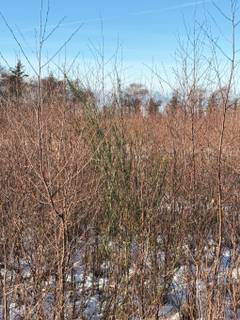
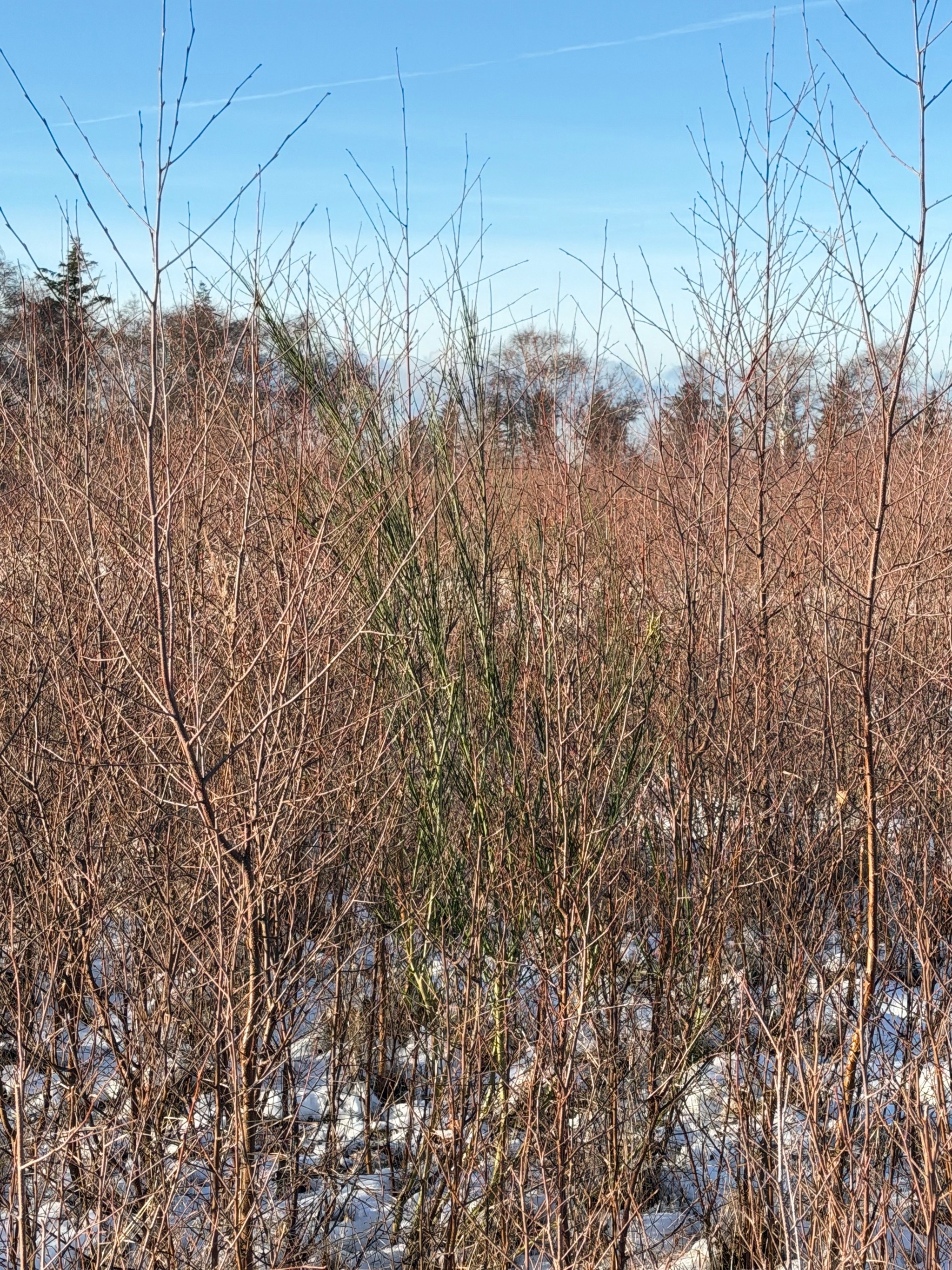
Cytisus is a genus of about 50 species of deciduous and green-stemmed shrubs in the pea family Fabaceae, known collectively as brooms. They are native to Europe, the Mediterranean, North Africa, and western Asia, where they grow on heaths, rocky slopes, and open woodland. Most species form a dense mound or upright clump of slender, ridged green stems 3 to 10 feet (0.9 to 3 m) tall that carry out much of the plant photosynthesis; the small simple or three-parted leaves are sparse and often drop early in the season. In late spring and early summer the stems are lined with pea-shaped flowers, typically yellow but also white, cream, red, or purple, many of them fragrant and followed by flat, hairy seed pods that split and snap open when ripe. All parts contain quinolizidine alkaloids, including cytisine and sparteine, that are poisonous if eaten. C. scoparius, Scotch broom, is naturalized and listed as an invasive weed in parts of North America, Australia, and elsewhere. The genus grows fast, tolerates poor sandy soil and drought, and fixes nitrogen, but tends to be short-lived and resents root disturbance and cutting back into old wood.
Native Range
Cytisus is native to Europe, the Mediterranean Basin, North Africa, and western Asia, with the greatest number of species around the Mediterranean. Plants grow on heathland, sandy soils, rocky hillsides, and the edges of open woodland.Suggested Uses
Cytisus is grown in sunny shrub borders, on banks, and in gravel or coastal gardens for its spring pea flowers and green stems. Low, spreading species such as C. × kewensis are used as groundcover over walls and slopes. Because C. scoparius self-seeds aggressively, regional forms and sterile hybrids are chosen in areas where the species is invasive.How to Identify
Appearance
Size & Dimensions
Height3' - 10'
Width/Spread3' - 8'
Bloom Information
Cytisus flowers mainly in late spring and early summer, generally April to June, with the green stems briefly hidden under massed pea flowers. Many species and hybrids are fragrant. Flowering lasts roughly 3 to 5 weeks, after which seed pods form and ripen through summer.
Detailed Descriptions
Flower Description
Yellow, white, cream, red, or purpleFoliage Description
Green stems; small green leavesGrowing Conditions
Sun Requirements
Requires 6-12 hours of direct sunlight daily
• Full Sun: 6+ hours of direct sunlight
• Partial Shade: 3-6 hours of direct sunlight
• Full Shade: Less than 3 hours of direct sunlight
Care & Maintenance
Care Guide
Cytisus grows in full sun and light, free-draining, even sandy or poor soil, where it tolerates drought once established and fixes its own nitrogen. Rich or wet ground shortens its life and produces soft growth. Plants are hardy in zones 5 to 9 but resent being moved, so young container plants are set out while small and left undisturbed. Trimming is done lightly just after flowering, since cutting back into old, leafless wood usually fails to resprout. All parts are poisonous if eaten, containing alkaloids harmful to people and animals. Most brooms are naturally short-lived, lasting around 10 to 15 years.Pruning
Cytisus is trimmed lightly straight after flowering, removing the spent flowering growth to keep plants compact and reduce seeding. Cutting into old, bare wood is unproductive because brooms rarely resprout from it. Light annual shaping extends the life of an otherwise short-lived shrub.Pruning Schedule
Prune: June
late springsummer
Container Growing
Suitable for container growing
Minimum container size: 5 gallons