Cycas, Genus, circinalis, Species,
- Genus & species
queen sago
Native to southern India (Western Ghats, Eastern Ghats, coastal Karnataka and Kerala), Sri Lanka, and parts of Southeast Asia (Indonesia, Papua New Guinea); IUCN Red List Endangered status due to habitat loss and overharvesting for the ornamental trade
Overview
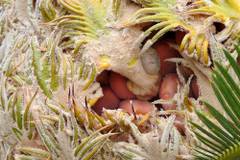
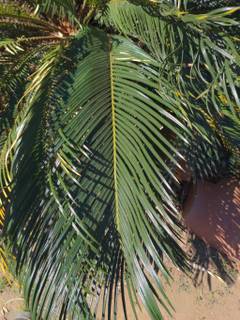
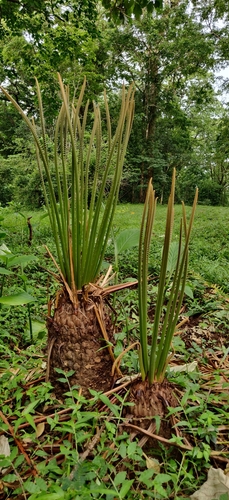
Cycas circinalis is an evergreen gymnosperm in the cycad family (Cycadaceae) — a lineage with a fossil record extending over 200 million years across the Mesozoic and Cenozoic, predating the rise of flowering plants. Plants develop a stout columnar trunk 6–15 feet (1.8–4.5 m) tall and 8–12 inches (20–30 cm) in diameter, topped by a symmetrical crown of pinnately compound arching fronds 4–8 feet (1.2–2.4 m) long. Individual pinnae (leaflets) are flat 6–10 inches (15–25 cm) long and 0.5–0.75 inch (12–18 mm) wide, glossy dark green, arranged in a single plane along the rachis — giving the frond a feather-like or fern-like appearance despite the species being a seed plant rather than a true fern. New fronds emerge as a tight central flush (crozier), unfurling simultaneously 1–2 times per year. The species is dioecious: male plants produce an erect conical pollen cone 12–24 inches (30–60 cm) long at the crown center; female plants produce a loose cluster of modified leaf-like megasporophylls bearing 2–6 large orange-red seeds 1.5–2 inches (4–5 cm) in diameter. Seeds contain the neurotoxin cycasin (methylazoxymethanol-β-glucoside), which causes liver damage and motor-neuron disease if ingested without extensive water-soaking and fermentation processing — historical food preparations in the Pacific island and southern Indian range required multiple-day water leaching to detoxify the seed starch. Growth rate runs slow at 2–4 inches (5–10 cm) of trunk height per year. Frost-tender — foliage damage occurs below 30°F (-1°C) and plant death below 25°F (-4°C). In the Pacific Northwest, grown only as a conservatory or indoor specimen. Toxic to humans and pets through the cycasin-containing seeds.
Native Range
Cycas circinalis is native to southern India (the Western Ghats, Eastern Ghats, and coastal Karnataka and Kerala), Sri Lanka, and parts of Southeast Asia (Indonesia, Papua New Guinea). It occurs in tropical dry deciduous forests, rocky hillsides, and coastal habitats from sea level to approximately 3,300 feet (1,000 m).Suggested Uses
Grown as a specimen container plant in conservatories, atriums, and large indoor spaces with high light availability. Moved outdoors to patios and terraces during frost-free summer months in temperate climates. In USDA zones 10–12, planted outdoors as a landscape specimen in well-drained frost-free sites. The architectural form and ancient lineage suit tropical and subtropical garden designs as a structural specimen with the symmetrical crown of long arching pinnate fronds. The species is on the IUCN Red List as Endangered due to habitat loss and overharvesting of wild plants for the ornamental trade — sourcing from nursery-propagated seed rather than wild-collected plants is the responsible choice. The cycasin neurotoxin in the seeds rules out planting where children or pets might handle fallen seeds; bagging and disposing of seed clusters as they mature reduces the contact hazard.How to Identify
Appearance
Size & Dimensions
Height6' - 15'
Width/Spread6' - 10'
Bloom Information
Male plants produce erect pollen cones 12–24 inches (30–60 cm) long once per year, typically in spring under cultivated conditions. Female plants produce a loose rosette of modified leaf-like megasporophylls at the crown center bearing 2–6 large orange-red seeds. Pollination occurs primarily by wind and by specialist beetles (weevils in the family Curculionidae). Orange-red seeds 1.5–2 inches (4–5 cm) in diameter develop over 12–18 months on female plants. Plants must reach 10–15 years of age before reaching reproductive maturity — among the longer juvenile periods of any cultivated plant.
Detailed Descriptions
Foliage Description
Glossy dark green; flat leaflets 6-10 inches long; in a single plane along the frond rachisGrowing Conditions
Sun Requirements
Requires 6-12 hours of direct sunlight daily
• Full Sun: 6+ hours of direct sunlight
• Partial Shade: 3-6 hours of direct sunlight
• Full Shade: Less than 3 hours of direct sunlight
Care & Maintenance
Care Guide
In the Pacific Northwest, grow as a container specimen indoors or in a heated conservatory. Plant in a large container (a minimum of 15 gallons / 57 L for a small specimen) in a well-drained sandy-loam potting mix at pH 6.0–7.5. Place in bright indirect light to direct sun — a south-facing window or conservatory works well. Water thoroughly when the top 2 inches (5 cm) of potting mix dries; reduce watering frequency in winter when growth slows. Feed monthly from April through September with a balanced slow-release fertilizer formulated for palms or cycads. Maintain temperatures above 50°F (10°C) year-round; foliage damage occurs below 30°F (-1°C). Move outdoors to a sheltered patio in summer if desired — return indoors before night air temperatures drop below 50°F (10°C) in autumn. Scale insects and mealybugs are the primary pests in indoor culture; quarterly inspection of frond undersides and stem surfaces catches infestations early. Repot every 3–5 years into the next-larger container size; the slow growth rate makes frequent repotting unnecessary.Pruning
Remove individual fronds at the base when they yellow and decline naturally — cut cleanly with a sharp saw or pruning shears close to the trunk. Do not remove green fronds, which reduces the plant's photosynthetic capacity and slows growth substantially. Remove spent cones when they dry. No other pruning is required.Container Growing
Suitable for container growing
Minimum container size: 15 gallons