Image 1 of 2
1 / 2
Plant Reference
Cupressus, Genus, sempervirens, Species, 'Stricta', Cultivar,
- Genus & species
- Cultivar
Italian cypress
Eastern Mediterranean and western Asia
Overview
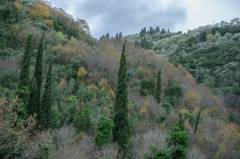
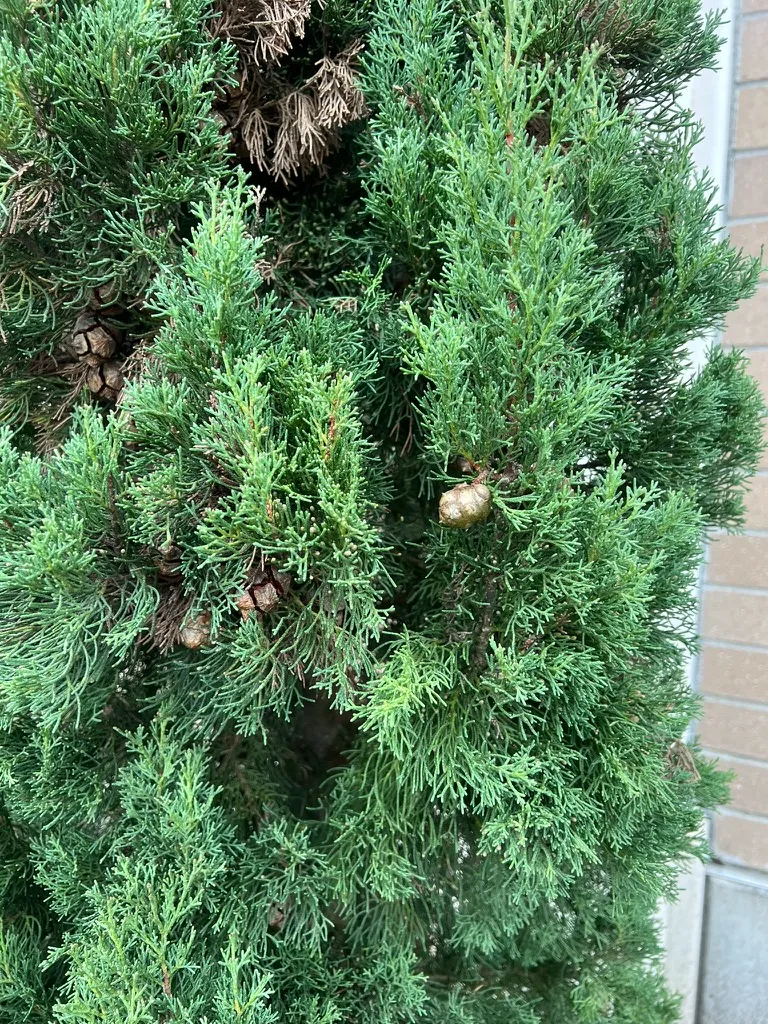
Cupressus sempervirens 'Stricta' is a narrow columnar evergreen conifer reaching 40-70 feet (12-21 m) tall but only 3-6 feet (0.9-1.8 m) wide, far more upright than the broader wild form. The tiny dark green scale leaves overlap closely along rope-like branchlets that are held tight to the trunk, giving a dense pencil-like outline. Round, woody, gray-brown cones 1-1.5 inches (2.5-4 cm) across ripen over two years and persist on the branches. The tree grows in full sun on well-drained soil and tolerates heat, drought, and poor stony ground once established, but it is damaged by wet, poorly drained soils and by heavy snow and ice, which can splay the columns open. In humid climates it can suffer cypress canker and spider mites. Hardy in USDA zones 7-10, this cultivar is grown as a vertical accent, in formal avenues, and as a tall narrow screen.
Native Range
The species Cupressus sempervirens is native to the eastern Mediterranean and western Asia, including Greece, Turkey, Cyprus, Lebanon, and Iran, where it grows on dry rocky hillsides. The narrow 'Stricta' form has been cultivated around the Mediterranean for centuries.Suggested Uses
Grown as a vertical accent in gardens, in formal pairs flanking entrances, in avenues, and as a slim screen where width is limited, spaced 3-6 feet (0.9-1.8 m) apart. Its narrow form suits Mediterranean and gravel-garden styles.How to Identify
Appearance
Size & Dimensions
Height40' - 70'
Width/Spread3' - 6'
Bloom Information
As a conifer, this cultivar does not flower. Small pollen cones release pollen in late winter and early spring. Round woody seed cones 1-1.5 inches (2.5-4 cm) across take about two years to ripen from green to gray-brown and may hang on the tree for several more years.
Detailed Descriptions
Foliage Description
Dark green, tiny overlapping scale-like leaves on rope-like branchletsGrowing Conditions
Sun Requirements
Requires 8-12 hours of direct sunlight daily
• Full Sun: 6+ hours of direct sunlight
• Partial Shade: 3-6 hours of direct sunlight
• Full Shade: Less than 3 hours of direct sunlight
Care & Maintenance
Care Guide
Grow in full sun in well-drained soil; sandy, stony, and chalky ground all suit it. Water young trees through the first seasons, after which the cypress tolerates heat and drought and needs little irrigation. Wet or poorly drained soil leads to root rot, and humid summers can bring cypress canker and spider mites. In snowy regions the columns can splay, and tying or wrapping holds the form. The tree accepts a soil pH of 6.0-8.0 and needs no feeding. Hardy in USDA zones 7-10.Pruning
Prune lightly in spring to remove dead or wayward shoots and keep the narrow outline. It does not regrow from cuts into bare old wood, so trimming stays within green foliage. Tying in or removing splayed branches restores the column after storm damage.Pruning Schedule
Prune: April
early spring
Container Growing
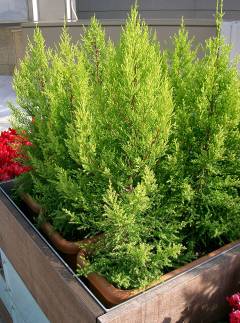
Suitable for container growing
Minimum container size: 15 gallons