Image 1 of 4
1 / 4
© David Midgley (en:User:MidgleyDJ), some rights reserved (CC-BY-SA) · Wikimedia Commons
Correa, Genus, spp., Multiple species,
- Genus
- Multiple species
Australian fuchsia
Overview
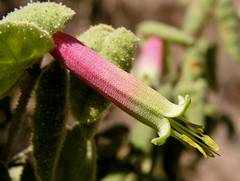
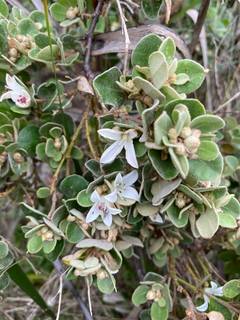
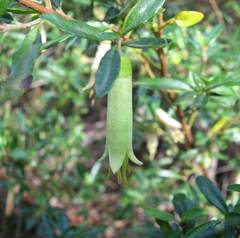
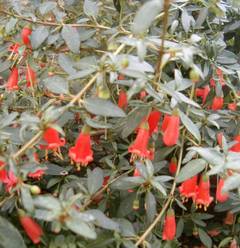
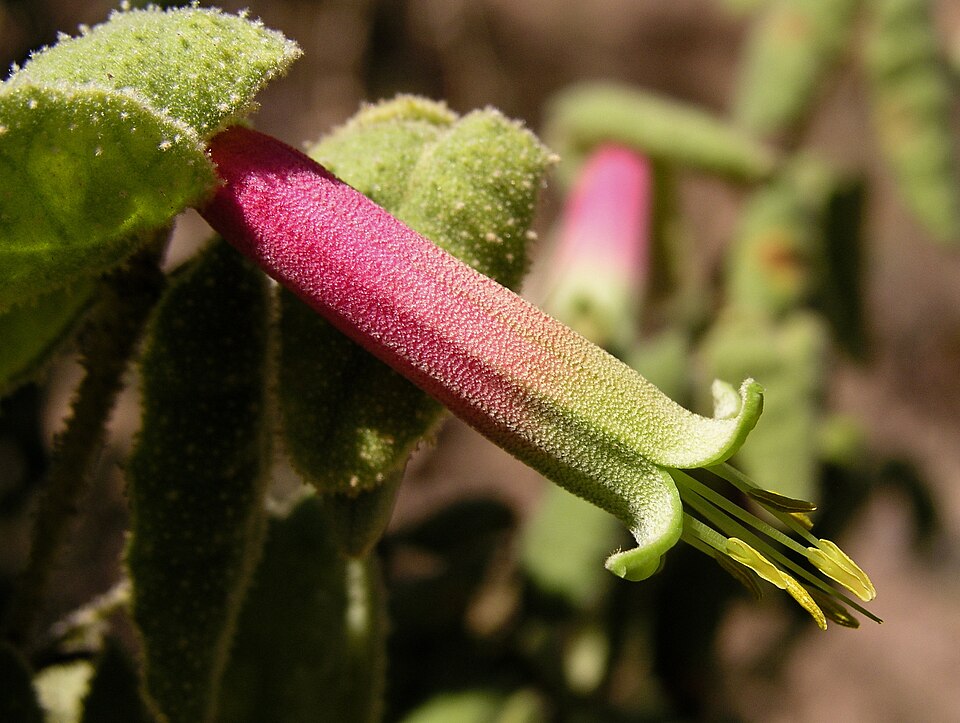
Correa is a genus of about 11 species of evergreen shrubs in the citrus family (Rutaceae), all native to Australia, where they grow in coastal heath, open forest, and rocky hill country. The common name Australian fuchsia comes from the pendulous, tubular flowers that resemble those of true fuchsias, though the two are unrelated. Across the genus, plants range from low, spreading shrubs about 1 foot (30 cm) tall to upright kinds near 12 feet (3.6 m), with most in the 2 to 6 foot (0.6 to 1.8 m) range and a similar spread. The small leaves are rounded to oval, often dark green above and paler and felted with rusty hairs beneath, and aromatic when crushed. The bell-shaped, four-lobed flowers hang from the stems in red, green, cream, or pink, and are pollinated by nectar-feeding birds. A long flowering season through autumn and winter is typical, when few other shrubs bloom. Plants grow on freely draining soils and tolerate dry spells and salt wind, though most are sensitive to hard frost and to wet, heavy ground.
Native Range
Native to southern and eastern Australia, including Tasmania, in coastal heath, open forest, and rocky inland sites.Suggested Uses
Grown in native, coastal, and water-wise gardens, as low informal hedges, and in containers, with the autumn-to-winter flowers drawing nectar-feeding birds. Suited to sunny banks and mixed shrub borders.How to Identify
Appearance
Size & Dimensions
Height1' - 12'
Width/Spread2' - 8'
Bloom Information
Detailed Descriptions
Flower Description
Red, green, cream, or pinkFoliage Description
Dark green above, rusty beneathGrowing Conditions
Sun Requirements
Requires 4-10 hours of direct sunlight daily
• Full Sun: 6+ hours of direct sunlight
• Partial Shade: 3-6 hours of direct sunlight
• Full Shade: Less than 3 hours of direct sunlight
Care & Maintenance
Care Guide
Most species grow in full sun to part shade on freely draining sandy or loamy soils with pH from 5.5 to 7.0. Water needs are low once established, and plants tolerate dry spells and coastal salt wind. Wet, heavy soils cause root problems. Most kinds are sensitive to hard frost, suited to roughly USDA zones 8 to 10. A light trim after the main flush keeps shrubs dense.Pruning
A light trim after the main flowering flush keeps plants compact and bushy. Straggly stems can be shortened in spring. Plants tolerate clipping for low informal hedging.Pruning Schedule
Prune: September–October
early spring
Container Growing
Suitable for container growing
Minimum container size: 5 gallons