Cordia, Genus, spp., Multiple species,
- Genus
- Multiple species
Manjack and geiger trees
Tropical and subtropical Americas, Africa, and Asia
Overview
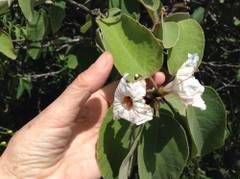
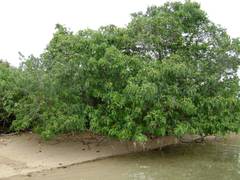
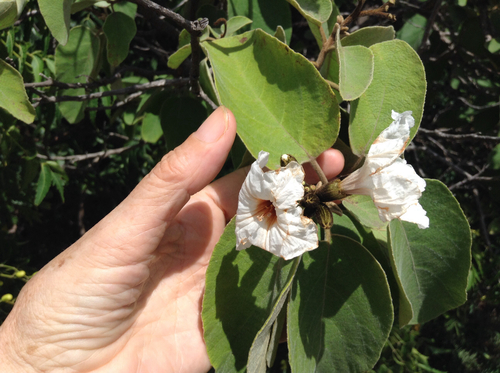
Cordia is a genus of about 300 species of trees and shrubs in the borage family (Boraginaceae), found through the tropics and subtropics of the Americas, Africa, and Asia. Plants range from large shrubs to trees 3-20 m (10-65 ft) tall, with simple, alternate leaves that are often large and rough or sandpapery to the touch. Many species carry showy clusters of funnel- or trumpet-shaped flowers in orange, white, yellow, or cream; C. sebestena, the geiger tree, bears clusters of orange flowers, while C. boissieri, the Texas olive, has crinkled white flowers with a yellow throat. The flowers are followed by fleshy drupes, some sweet and edible, others enclosed in a papery calyx. Several species, including C. dodecandra and C. alliodora, yield hard, figured timber such as ziricote, used for furniture and instruments. Cordia grows in warm, frost-free climates and tolerates heat, drought, salt, and poor soils once established. The chief limitation is cold sensitivity, with most species damaged or killed by hard frost, and some produce abundant seed that can naturalise in disturbed tropical ground.
Native Range
Native across the tropical and subtropical Americas, Africa, and Asia, with the greatest number of species in tropical America. C. boissieri reaches into southern Texas and northern Mexico, and C. sebestena is native to the Caribbean and southern Florida.Suggested Uses
Grown as flowering shade, street, and specimen trees in tropical and subtropical gardens, as drought-tolerant hedging and screening, and as timber and fruit trees in their native range. Salt and drought tolerance suit coastal and xeriscape plantings in frost-free climates.How to Identify
Appearance
Size & Dimensions
Height10' - 65'
Width/Spread10' - 40'
Bloom Information
Flowering varies with climate; many species, including C. sebestena, bloom in flushes through much of the warm season or nearly year-round in frost-free areas. Others flower mainly in spring and summer. The flowers are visited by bees, butterflies, and hummingbirds, and are followed by drupes that ripen over several weeks.
Detailed Descriptions
Flower Description
orange, white, yellow, or creamFoliage Description
greenGrowing Conditions
Sun Requirements
Requires 6-12 hours of direct sunlight daily
• Full Sun: 6+ hours of direct sunlight
• Partial Shade: 3-6 hours of direct sunlight
• Full Shade: Less than 3 hours of direct sunlight