Conocephalum, Genus, spp., Multiple species,
- Genus
- Multiple species
snakeworts
Northern Hemisphere (Europe, Asia, North America)
SunFull Shade – Part Shade
WaterHigh
Overview
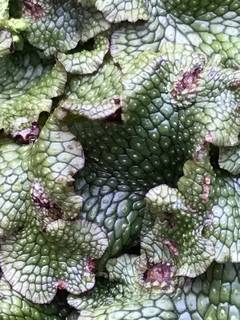
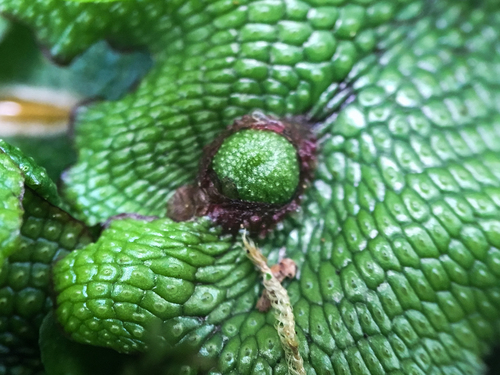
Conocephalum is a genus of large thallose liverworts in the family Conocephalaceae, growing on damp shaded soil, rock, and stream banks across the Northern Hemisphere. The plant body is a flat, ribbon-like thallus 0.3-0.8 inch (8-20 mm) wide and several inches long, branching repeatedly and pressing close to the ground in overlapping mats. The upper surface is marked with a network of polygonal segments, each with a central pore that resembles snakeskin, giving the common name snakeworts. The thallus is deep green and leathery, with a strong scent when crushed that gives the larger species the name great scented liverwort. Air chambers beneath the surface pores aid gas exchange. Conocephalum reproduces sexually by spores raised on tall, cone-tipped stalks from female plants, and spreads vegetatively as older parts of the thallus die back and separate the growing tips. The genus favours calcareous, constantly moist, shaded habitats such as wet rock faces, ravines, and the banks of streams and springs, where it forms conspicuous mats larger than those of many other liverworts. The snakeskin pattern of the upper surface makes the genus easy to recognise in the field.
Native Range
Conocephalum occurs across the Northern Hemisphere in Europe, Asia, and North America, growing on damp, often calcareous soil and rock in shaded ravines, on stream and spring banks, and on moist cliff faces. It favours humid, sheltered sites with reliable moisture.Suggested Uses
Conocephalum is grown in humid terraria, paludariums, and shaded water features for its broad patterned thallus. It serves as an indicator of clean, humid, often calcareous habitats. The scented thallus is of interest to bryophyte gardeners and in teaching plant diversity.How to Identify
Appearance
Colors
Foliage Colors
Bloom Information
Liverworts do not flower. Conocephalum reproduces by spores raised on tall stalks topped by cone-shaped heads on female plants, ripening mainly in late winter and spring. It also spreads vegetatively as older thallus parts die and separate the branching growing tips.
Growing Conditions
Sun Requirements
• Full Sun: 6+ hours of direct sunlight
• Partial Shade: 3-6 hours of direct sunlight
• Full Shade: Less than 3 hours of direct sunlight
Water & Climate
Water Needs