Collinsonia, Genus, spp., Multiple species,
- Genus
- Multiple species
Horsebalm
Overview
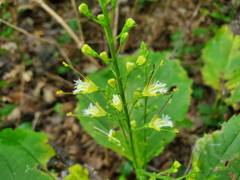
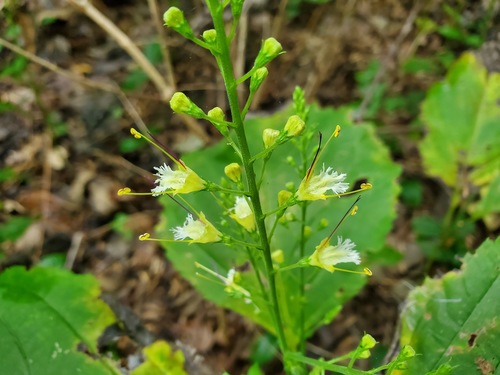
Collinsonia is a genus of about five species of aromatic perennial herbs in the mint family, Lamiaceae, native to the moist woodlands of eastern North America. Plants grow 1.5-4 feet (0.5-1.2 m) tall from a thick, knotty rhizome, with the square stems and opposite leaves typical of the mint family and broad, toothed, pointed leaves 4-10 inches (10-25 cm) long. From mid to late summer into autumn, branched open clusters carry many small, pale yellow, two-lipped flowers, each with two long protruding stamens and a lemon or citronella scent. The flowers give way to small nutlets. Most species grow in rich, shaded, moist forest, and the stems are little branched below the flowering head. The hard, knotty rootstock of the richweed or stoneroot (C. canadensis) has a history of herbal use. Plants spread slowly into clumps and tolerate deep shade better than many flowering perennials, though they fade in hot, dry, or sunny sites. The foliage releases a sharp, citrus-like scent when bruised. The flowers draw bees and other long-tongued insects through late summer when few woodland plants bloom.
Native Range
Collinsonia is native to eastern North America, from southern Canada and New England south through the Appalachians to the Gulf states. It grows in rich, moist deciduous woodland, on shaded slopes, ravines, and streamside flats.Suggested Uses
Collinsonia is grown in shaded woodland and native plant gardens and in naturalised plantings under trees, where its late flowers extend the season after spring wildflowers fade. The lemon-scented blooms draw bees and other insects, and the knotty root has a history of herbal use. Its preference for moist shade makes it unsuited to hot, dry borders.How to Identify
Appearance
Size & Dimensions
Height1'6" - 4'
Width/Spread1' - 2'
Bloom Information
Flowering occurs from mid or late summer into autumn, roughly July to October, later than most woodland wildflowers. The small lemon-scented flowers open over several weeks and draw bees and other long-tongued insects. Small nutlets follow and ripen before frost.
Detailed Descriptions
Foliage Description
greenGrowing Conditions
Sun Requirements
Tolerates up to 4 hours of direct sunlight daily
• Full Sun: 6+ hours of direct sunlight
• Partial Shade: 3-6 hours of direct sunlight
• Full Shade: Less than 3 hours of direct sunlight
Care & Maintenance
Care Guide
Collinsonia grows in partial to deep shade in moist, rich, humus-laden woodland soil that holds steady moisture. It tolerates heavy shade and the dry root competition under trees better than many perennials, but suffers in hot, dry, or fully sunny sites. Plants are hardy through USDA zones 4-8 and die back to the rhizome each winter, returning in spring. They spread slowly into clumps and need little care once settled in suitable ground. A leaf-litter mulch keeps the roots cool and moist. Division in spring or autumn lifts the knotty rootstock for propagation.Pruning
Cut spent flowering stems back to the base after bloom or leave them to set seed. Clear away dead foliage in late autumn as it dies down. No other routine pruning is needed for this clump-forming woodland perennial.Pruning Schedule
Prune: October–November
fall