Coleus, Genus,
- Genus
coleus
Tropical and subtropical Southeast Asia — Indonesia, Malaysia, the Philippines; forest margins and disturbed areas
Overview
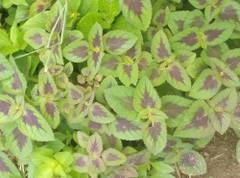
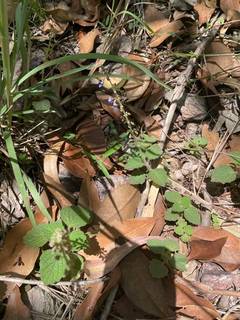
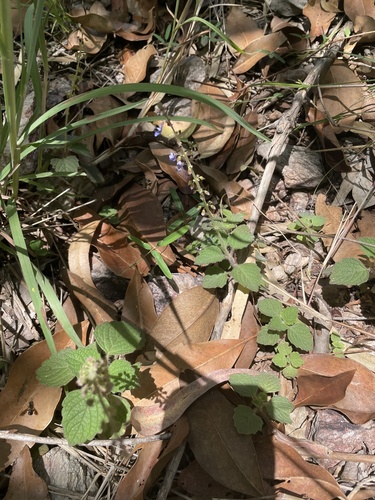
Coleus is the genus commonly known as coleus or painted nettle, an upright tender annual (perennial in zones 10-11) growing 6 inches to 3 feet (15-90 cm) tall and 6-18 inches (15-45 cm) wide depending on cultivar. Opposite ovate leaves with toothed or ruffled margins display red, orange, yellow, green, purple, burgundy, pink, white, near-black, and multicolored combinations on square stems characteristic of family Lamiaceae. Small blue to purple two-lipped flowers form in summer in upright spikes 2-4 inches (5-10 cm); flower spikes are typically pinched off in cultivation because flowering accelerates seed-set and decline. Modern cultivars are derived primarily from Coleus scutellarioides; taxonomic revisions have moved the genus from Coleus to Plectranthus to Solenostemon and back to Coleus. Native to tropical and subtropical Southeast Asia (Indonesia, Malaysia, the Philippines), where it grows at forest margins and in disturbed areas. Treated as a tender annual in temperate climates; hardy only in zones 10-11. Plants require consistent moisture and rich soil; foliage wilts in heat and dry soil. Recent breeding has produced sun-tolerant series ('ColorBlaze', 'Wasabi', 'Kong') that grow in full sun. All parts contain diterpenes; ingestion can cause gastrointestinal upset in cats and dogs. Easily propagated from stem cuttings rooted in water or soil; cuttings overwinter indoors to preserve cultivars year to year.
Native Range
Native to tropical and subtropical Southeast Asia, including Indonesia, Malaysia, and the Philippines. The species occurs at forest margins and in disturbed lowland habitats. Modern cultivars are derived primarily from Coleus scutellarioides.Suggested Uses
Coleus is grown as a foliage feature in shaded mixed containers, hanging baskets, mass bedding, and shade borders, in containers of at least 1 gallon (4 L), spaced 6-18 inches (15-45 cm) apart. Plants are tender and frost-killed in temperate climates. All parts contain diterpenes and ingestion can cause gastrointestinal upset in cats and dogs.How to Identify
Appearance
Size & Dimensions
Height6" - 3'
Width/Spread6" - 1'6"
Colors
Bloom Information
Flowering occurs from July through August, six weeks if not pinched. Small blue to purple two-lipped flowers form in upright spikes 2-4 inches (5-10 cm) and are visited by bees. Flower spikes are typically pinched off in cultivation because flowering accelerates seed-set and plant decline.
Detailed Descriptions
Flower Description
Small blue to purple two-lipped flowers in upright spikes 2-4 inches (5-10 cm); typically pinched off in cultivation because flowering accelerates seed-set and plant decline.Foliage Description
Diverse foliage colors including red, orange, yellow, green, purple, burgundy, pink, white, near-black, and multicolored combinations on opposite ovate leaves with toothed or ruffled margins; opposite arrangement on square stems characteristic of family Lamiaceae.Growing Conditions
Sun Requirements
Requires 2-4 hours of direct sunlight daily
• Full Sun: 6+ hours of direct sunlight
• Partial Shade: 3-6 hours of direct sunlight
• Full Shade: Less than 3 hours of direct sunlight
Care & Maintenance
Care Guide
Grown in part shade to full shade with 2-4 hours of direct sun; sun-tolerant cultivars accept full sun. Soil is moist, well-drained loam with a pH of 6.0-7.0. Foliage wilts within hours in heat and dry soil. Flower spikes are pinched off in cultivation; growing tips are pinched throughout the season to encourage branching. Tender — hardy only in zones 10-11; grown as an annual elsewhere. All parts contain diterpenes; ingestion can cause gastrointestinal upset in cats and dogs.Pruning
Growing tips are pinched throughout the growing season to encourage branching and a fuller habit. Flower spikes are pinched off as they appear because flowering accelerates seed-set and plant decline. Stem cuttings taken in late summer root in water or soil and can be overwintered indoors to preserve cultivars.Pruning Schedule
Prune: June–September
summer
Container Growing
Suitable for container growing
Minimum container size: 1 gallons
Toxicity Warning
Toxic to petsPlanting Guide
Planting Methods & Timing
Planting Method
transplant
Indoor Start
9 weeks before last frost
Direct Sow Timing
Direct sowing is not commonly practiced. Seeds are started indoors 8-10 weeks before last frost; transplants set out after all frost danger has passed.
Days to Maturity
60–90 days
Plant Spacing
12 inches