Coleus, Genus, scutellarioides, Species,
- Genus & species
coleus
SunFull Sun – Part Shade – Full Shade
WaterMedium
Overview
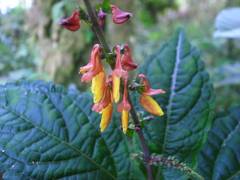
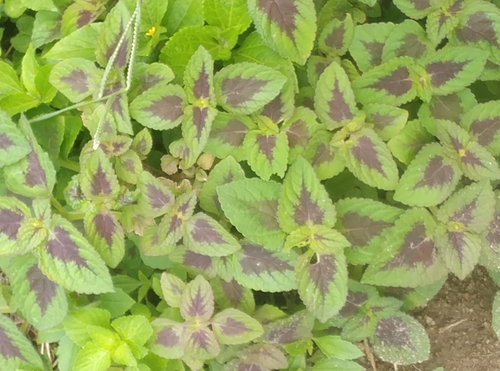
Coleus scutellarioides is a tender perennial grown as an annual in zones 4-9 and a perennial in zones 10-11, reaching 12-36 inches (30-90 cm) tall and 12-24 inches (30-60 cm) wide depending on the cultivar. Foliage opposite, ovate to lance-shaped with toothed or scalloped margins, 2-6 inches (5-15 cm) long, in patterns ranging from solid burgundy or chartreuse to multicolored combinations of green, yellow, pink, red, and brown. Stems square in cross-section as in other Lamiaceae. Flowers small, blue or lavender, in terminal racemes 4-8 inches (10-20 cm) tall in late summer; the species is grown for foliage and flower spikes are typically pinched to keep energy in the leaves. Heat-tolerant and humidity-tolerant; holds in conditions where many other shade annuals decline. Tender to frost; foliage and stems collapse at temperatures below 32°F (0°C). Sun-tolerant cultivar series like 'Wizard' and 'ColorBlaze' hold leaf color in full sun where older shade-only forms scorch.
Native Range
Coleus scutellarioides is native to Southeast Asia, principally Indonesia, the Philippines, Malaysia, and southern China, in moist forest understory and disturbed roadsides at 100-5,000 feet (30-1,500 m) elevation. The species was previously placed in Solenostemon and Plectranthus before molecular work returned it to Coleus in 2019.Suggested Uses
Used in containers, shade beds, mixed annual borders, and as a thriller or filler in 3-tier container designs at 12-18 inch (30-45 cm) spacing. Common in commercial color rotations for the wide foliage palette and tolerance of heat and partial sun. Single-color cultivars (solid burgundy or chartreuse) are also planted in mass for ribbons of single color in mixed plantings.How to Identify
Appearance
Size & Dimensions
Height1' - 3'
Width/Spread1' - 2'
Colors
Bloom Information
Late summer through fall in zones 9-11 (August-October); rarely blooms in shorter-season climates before frost. Bloom indicates a shift from vegetative growth to reproduction; pinching out flower spikes before they elongate maintains foliage density and extends the period of vivid leaf color. Plants that set seed often decline in vigor.
Detailed Descriptions
Foliage Description
varies by cultivar: green, burgundy, chartreuse, pink, red, yellow, brown patternsGrowing Conditions
Sun Requirements
Requires 2-8 hours of direct sunlight daily
• Full Sun: 6+ hours of direct sunlight
• Partial Shade: 3-6 hours of direct sunlight
• Full Shade: Less than 3 hours of direct sunlight
Care & Maintenance
Care Guide
Grown in part sun to part shade in moist, well-drained soil; soil pH 6.0-7.5 suits the species. Sun-tolerant cultivars hold color in 6-8 hours of direct sun in zones 4-7 with consistent moisture; older shade-only forms scorch above 4 hours of direct sun. Water regularly and consistently; brief drought causes wilting and lower leaf drop within 24-48 hours. Soft cuttings root in 7-10 days in water or moist medium. Mealybugs and whiteflies occur on indoor or greenhouse plants; both are managed by isolation and neem applications.Pruning
Pinch growing tips weekly through the season to maintain a dense, branching habit and to delay flowering. Remove flower spikes as they form to keep energy in the foliage. Cut leggy or sun-bleached stems back by one-third in midsummer; new growth in 10-14 days carries the cultivar's full leaf color. Take 4-6 inch (10-15 cm) cuttings in late summer for indoor overwintering in zones 4-9.Container Growing
Suitable for container growing
Minimum container size: 2 gallons
Toxicity Warning
Toxic to petsPlanting Guide
Planting Methods & Timing
Planting Method
transplant
Indoor Start
8 weeks before last frost