Coffea, Genus, spp., Multiple species,
- Genus
- Multiple species
coffees
Overview
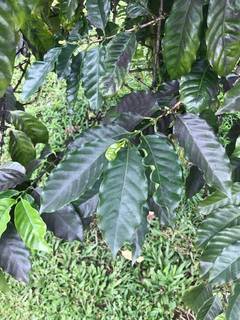
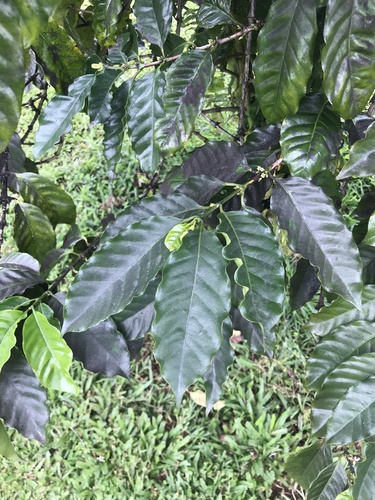
Coffea is a genus of about 120 species of evergreen shrubs and small trees in the madder family, native to tropical Africa, Madagascar, the Comoros, the Mascarenes, and parts of tropical Asia. Plants grow 6-30 ft (1.8-9 m) tall in the wild but are usually kept to 6-10 ft (1.8-3 m) in cultivation, with a single trunk and tiers of horizontal branches. The leaves are opposite, glossy, dark green, oval, and 3-8 in (7.5-20 cm) long, with wavy margins and a leathery texture. Clusters of white, star-shaped, jasmine-scented flowers form along the branches, opening for only a few days. These are followed by rounded fruits, called cherries, 0.4-0.7 in (10-18 mm) across, ripening from green through red to deep purple, each holding usually two seeds, the coffee beans. Coffea arabica and C. canephora supply almost all of the world coffee crop. The genus is a tropical understory plant, frost-tender, needing warmth, even moisture, humidity, and shelter from direct sun and wind. All parts contain caffeine, which is toxic to pets. Plants are also grown as glossy-leaved indoor specimens.
Native Range
Native to tropical Africa and the western Indian Ocean islands, including Madagascar, the Comoros, and the Mascarenes, with some species in tropical Asia. Coffea arabica originated in the highland forests of Ethiopia and South Sudan.Suggested Uses
Grown commercially for coffee in tropical highlands, and as a glossy-leaved evergreen houseplant or conservatory shrub in cooler climates. In frost-free gardens it is used as an understory or hedge shrub in shade.How to Identify
Appearance
Size & Dimensions
Height6' - 30'
Width/Spread4' - 10'
Bloom Information
Flowering follows rain in the tropics and occurs mainly in spring and summer in cultivation, often in several flushes. The fragrant white flowers open for only two to three days. Fruit then takes several months, sometimes up to a year in C. arabica, to ripen.
Detailed Descriptions
Foliage Description
Glossy dark greenGrowing Conditions
Sun Requirements
Needs bright indirect light. Keep it out of direct sun, which can scorch the leaves.
• Bright indirect light: a bright spot near a window, with no direct sun on the leaves
Care & Maintenance
Care Guide
Grow in bright, indirect light or dappled shade in rich, moist, free-draining, slightly acidic soil, sheltered from direct midday sun that scorches the leaves. Keep the soil evenly moist through the warm months and slightly drier in winter, never letting plants dry out fully or stand in water. Maintain warmth above 60 F (16 C) and humidity of 50 percent or more, since the genus is frost-tender and damaged below about 50 F (10 C). Feed regularly during active growth with an acidic fertilizer. All parts contain caffeine and are toxic to pets if eaten. Indoors, plants fruit only after several years and in good light. Hardiness outdoors is limited to USDA zones 10-11.Pruning
Prune in spring to control height and shape, cutting back the leader to keep indoor plants compact. Thin crowded branches to improve airflow. Pinch young plants to encourage bushy growth.Pruning Schedule
Prune: March–April
spring
Container Growing
Suitable for container growing
Minimum container size: 5 gallons