Cnidoscolus, Genus, stimulosus, Species,
- Genus & species
spurge nettle
Overview
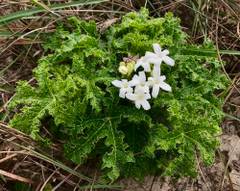
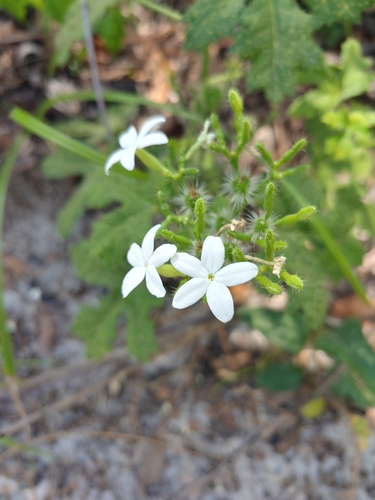
Cnidoscolus stimulosus is a herbaceous perennial in the spurge family, growing 8-36 inches (20-90 cm) tall from a deep, woody taproot. The entire plant, including stems, leaves, and flower stalks, is armed with stiff, hollow stinging hairs that release an irritating fluid on contact, producing an immediate burning rash in most people. Leaves are alternate, 2-5 inches (5-13 cm) wide, palmately three- to five-lobed with toothed margins and a deep green surface. Clusters of white flowers appear from spring through summer; each flower has five petal-like lobes about 0.4-0.6 inch (10-15 mm) across and a sweet scent that draws butterflies and long-tongued bees. Male and female flowers occur in the same cluster, and seeds develop in a three-chambered capsule that ejects them forcibly when ripe. It grows in dry, sandy soils of pine flatwoods, sandhills, fields, and roadsides across the southeastern United States. The taproot stores moisture and allows the plant to persist through drought and regrow after fire or grazing. The dense covering of stinging hairs makes contact painful, which limits its use in tended gardens and near paths.
Native Range
Native to the southeastern United States, from Virginia south through Florida and west to Texas, primarily on the coastal plain.Suggested Uses
Grown in native plant gardens, pollinator plantings, and sandy restoration sites in the Southeast. Used in naturalized areas set back from foot traffic because of its stinging hairs. Suited to xeric and low-water landscapes on poor soils.How to Identify
Appearance
Size & Dimensions
Height8" - 3'
Width/Spread1' - 2'
Bloom Information
Detailed Descriptions
Foliage Description
deep greenGrowing Conditions
Sun Requirements
Requires 6-10 hours of direct sunlight daily
• Full Sun: 6+ hours of direct sunlight
• Partial Shade: 3-6 hours of direct sunlight
• Full Shade: Less than 3 hours of direct sunlight
Care & Maintenance
Care Guide
Grows in full sun and dry, sandy, free-draining soil, matching its native sandhill habitat. Once established, the deep taproot makes it strongly drought tolerant, and it needs no supplemental water. It declines in rich, wet, or heavy soils, which encourage root rot. Propagation is from seed, since the taproot makes division and transplanting difficult. No fertilizer is required. The dense stinging hairs make it unsuited to paths, play areas, and tended borders.Pruning
No routine pruning is required. Frost-killed top growth and spent flower stalks can be cut back in late winter. The stinging hairs remain irritating even on dead, dry stems.Pruning Schedule
Prune: February
winter