Cnidoscolus, Genus, spp., Multiple species,
- Genus
- Multiple species
spurge nettles
Overview
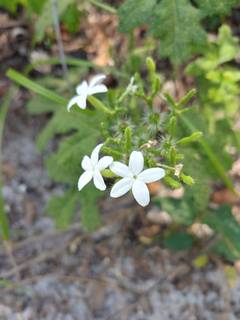
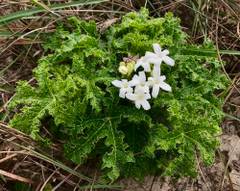
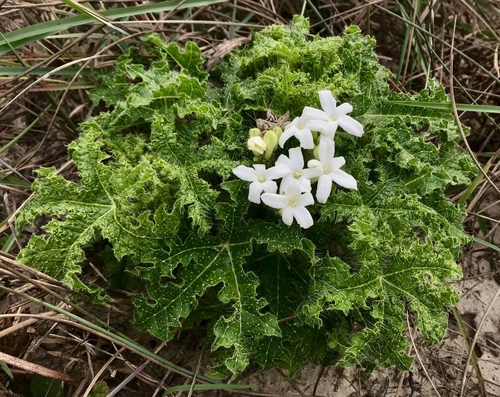
Cnidoscolus is a genus of about 50 species of herbs, shrubs, and small trees in the spurge family (Euphorbiaceae), native to the tropical and subtropical Americas. Most species are armed with stinging hairs on stems, leaves, and flower stalks that inject an irritant and cause a sharp, burning sting, and all carry milky latex. The leaves are alternate and palmately lobed, sometimes deeply so, and the flowers are white, petal-less, and borne in branched clusters with separate male and female flowers. The genus includes C. aconitifolius, chaya or tree spinach, whose leaves are a staple cooked green in Mexico and Central America, and stinging species such as C. stimulosus, the bull nettle. Raw leaves and sap contain cyanogenic compounds and are poisonous, but thorough cooking drives off the toxins in the edible kinds. Plants are frost-tender and tolerate heat, drought, and poor soils. The stinging hairs make most species hard to handle and unsuited to areas used by children and pets.
Native Range
Cnidoscolus is native to the warm Americas, from the southern United States and Mexico through Central America and the Caribbean to South America, growing in sandy scrub, dry grassland, open woodland, and disturbed ground.Suggested Uses
Grown mainly as a leaf vegetable in C. aconitifolius, which is also planted as a quick living fence and as a foliage shrub in warm gardens. Stinging species are largely wild plants rather than chosen garden plants. Chaya is spaced 1-2 m (3-6.5 ft) apart for leaf harvest.How to Identify
Appearance
Size & Dimensions
Height1' - 20'
Width/Spread1' - 8'
Bloom Information
Detailed Descriptions
Foliage Description
greenGrowing Conditions
Sun Requirements
Requires 6-12 hours of direct sunlight daily
• Full Sun: 6+ hours of direct sunlight
• Partial Shade: 3-6 hours of direct sunlight
• Full Shade: Less than 3 hours of direct sunlight
Care & Maintenance
Care Guide
Most species grow in full sun on light, free-draining sandy soils and tolerate heat, drought, and low fertility once established. They are frost-tender and grow as perennials only in frost-free climates, with C. aconitifolius grown from cuttings as a cut-and-come-again leaf crop. Wet, heavy soil causes root rot, so a dry, well-drained site at a near-neutral pH suits them. Chaya is cropped by picking young leaves, which are then cooked before eating to remove the toxins. Few pests trouble the genus, and the stinging hairs deter most browsing animals.Pruning
Chaya and shrubby species are cut back regularly to force tender new shoots and keep plants within reach for harvest. Cutting is done with covered arms and gloves because of the stinging hairs and latex. Stems root easily, so prunings can be used as cuttings.Pruning Schedule
Prune: March
early spring
Container Growing
Suitable for container growing
Minimum container size: 5 gallons