Clitoria, Genus, spp., Multiple species,
- Genus
- Multiple species
butterfly pea
Overview
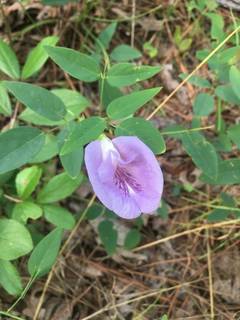
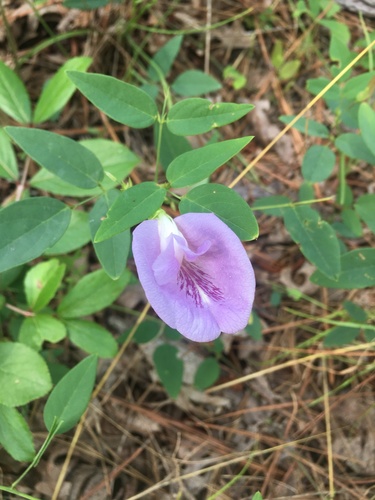
Clitoria is a genus of roughly 70 species of twining vines, trailing herbs, and subshrubs in the pea family, Fabaceae, found throughout the tropics and subtropics of the Americas, Africa, Asia, and Australia. Most species climb or scramble 3-10 feet (0.9-3 m) by twining stems, with pinnate leaves of three to nine leaflets. The pea-shaped flowers are held upside down, so the broad standard petal sits at the bottom, and range from deep blue through mauve and pink to white, measuring 1.5-2.5 inches (4-6 cm) long. The Asian butterfly pea (C. ternatea) is widely grown for its blue flowers, used as a food and drink colouring, while C. mariana is a low perennial of eastern North American woodlands. Flowers are followed by flat, several-seeded pods that split and twist when ripe. As legumes, the plants fix nitrogen and are grown for forage, green manure, and soil cover in warm regions. Most species are frost-tender and grow as perennials in the tropics or as annuals where winters are cold. Some species self-seed freely and can spread beyond where they are planted.
Native Range
Clitoria is pantropical, native across the warmer parts of the Americas, Africa, Asia, and Australia, with the centre of species diversity in tropical America. Species grow in grassland, open woodland, scrub, and disturbed ground, from sea level to mid elevations in frost-free or nearly frost-free climates.Suggested Uses
Clitoria is grown on trellises and fences as a flowering climber, as a forage and green-manure legume in the tropics, and for the blue flowers of butterfly pea used to colour food and drinks. The flowers draw bees, and the foliage feeds the larvae of some butterflies. Its tendency to self-seed makes it better suited to informal plantings than tidy beds.How to Identify
Appearance
Size & Dimensions
Height3' - 10'
Width/Spread2' - 4'
Bloom Information
Detailed Descriptions
Flower Description
blue to whiteFoliage Description
greenGrowing Conditions
Sun Requirements
Requires 5-10 hours of direct sunlight daily
• Full Sun: 6+ hours of direct sunlight
• Partial Shade: 3-6 hours of direct sunlight
• Full Shade: Less than 3 hours of direct sunlight
Care & Maintenance
Care Guide
Clitoria grows in full sun to light shade in well-drained soil and needs warmth for steady growth, suffering below about 50 F (10 C). Twining species need a trellis, fence, or other support to climb, while low species sprawl as groundcover. As nitrogen-fixing legumes the plants grow on poor soils and need little feeding, though steady moisture extends flowering. Most are grown as perennials in USDA zones 10-11 and as warm-season annuals elsewhere, sown after the last frost. Plants tolerate heat and short drought once established. Cutting back leggy growth encourages branching and more flowers.Pruning
Cut back stems in spring or after a flush of bloom to control size and encourage branching and repeat flowering. Remove frost-damaged growth in spring where plants are grown as tender perennials. Trim twining species off their support as needed to keep them within bounds.Container Growing
Suitable for container growing
Minimum container size: 3 gallons
Toxicity Warning
Toxic to humansPlanting Guide
Planting Methods & Timing
Planting Method
both
Indoor Start
4 weeks before last frost
Direct Sow Timing
After the last frost once soil is warm