Clematicissus, Genus, spp., Multiple species,
- Genus
- Multiple species
native grape
Australia and southern South America
Overview
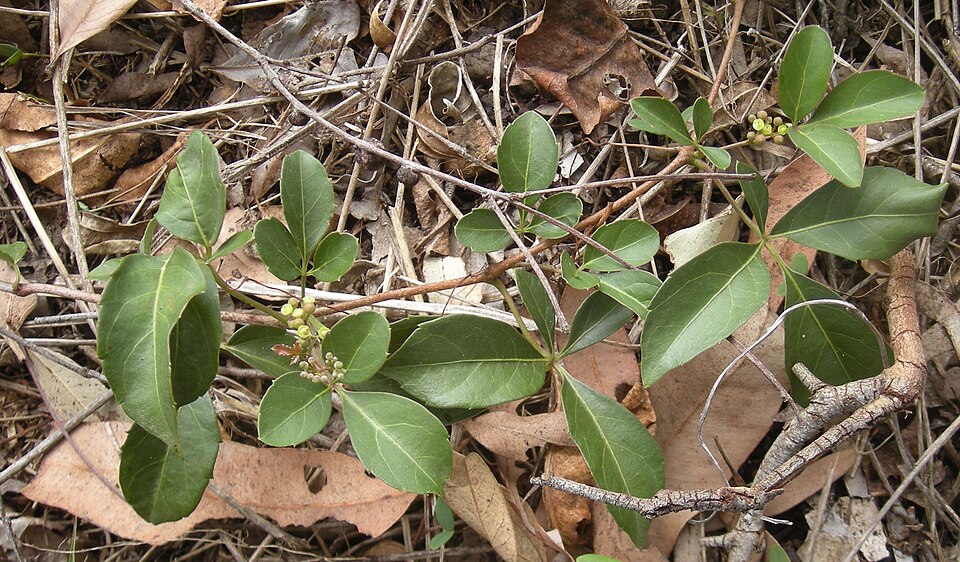
Clematicissus is a genus of about ten species of tendril-climbing, woody to semi-woody vines in the grape family, Vitaceae, with a disjunct range divided between Australia and southern South America. Stems climb by forked tendrils that arise opposite the leaves, reaching 6-30 feet (1.8-9 m) into shrubs and trees or scrambling over rock. Leaves vary from simple and lobed to deeply divided or compound with narrow leaflets, and several Australian species die back to a woody or tuberous rootstock in the dry season. Small greenish to yellowish flowers are borne in branched clusters opposite the leaves and give way to round, grape-like berries that ripen black or dark blue, each holding one to four seeds. The berries draw birds, which spread the seed. Most species grow in warm-temperate to subtropical woodland, scrub, and rocky slopes and tolerate seasonal drought once established. The genus was split from Cissus and related grape allies on the basis of flower and tendril structure. The fruits of some species are astringent and not eaten, and the vigorous growth can swamp small supports.
Native Range
Clematicissus is native to Australia and southern South America, a disjunct range split between the two southern continents. The Australian species grow across the south, east, and west of the continent in open woodland, scrub, and rocky country, while the South American species occur in Argentina, Uruguay, and southern Brazil.Suggested Uses
Clematicissus is grown on trellises, pergolas, fences, and banks in warm-climate gardens, and in native plantings where its fast cover and bird-attracting fruit are wanted. The tuberous Australian species are also kept by collectors of caudex-forming plants. Its rampant growth makes it better placed on strong supports than among delicate shrubs.How to Identify
Appearance
Size & Dimensions
Height6' - 30'
Width/Spread3' - 10'
Bloom Information
Flowering occurs in spring and summer, with timing depending on hemisphere and local climate. The small greenish flowers are inconspicuous and draw small insects. Dark berries follow over summer and autumn and persist until taken by birds.
Detailed Descriptions
Foliage Description
greenGrowing Conditions
Sun Requirements
Requires 4-10 hours of direct sunlight daily
• Full Sun: 6+ hours of direct sunlight
• Partial Shade: 3-6 hours of direct sunlight
• Full Shade: Less than 3 hours of direct sunlight