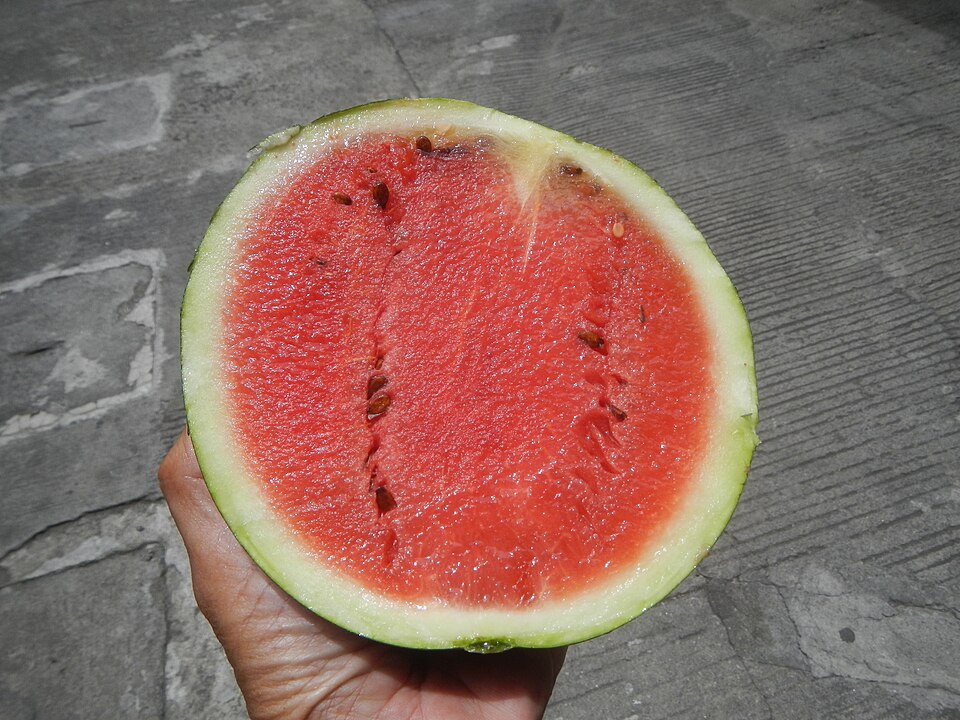
Citrullus, Genus, spp., Multiple species,
- Genus
- Multiple species
watermelon
Overview
Citrullus is a genus of trailing and climbing annual and perennial vines in the gourd family, Cucurbitaceae, native chiefly to Africa, with species extending into the drylands of western Asia. The roughly seven species produce branching stems 6-15 feet (1.8-4.5 m) long that scramble across the ground or climb by branched, coiling tendrils. The leaves are deeply three- to five-lobed and rough-hairy, 3-8 inches (8-20 cm) long, and the solitary, five-petaled flowers are pale to deep yellow, about 0.6-1.5 inch (1.5-4 cm) across, with separate male and female flowers on the same plant. Pollinated female flowers swell into large, smooth-skinned fruits known as pepos, ranging from the sweet, edible flesh of watermelon (C. lanatus) to the intensely bitter, hard-fleshed colocynth (C. colocynthis). The genus is adapted to heat and seasonal drought, with deep roots that draw moisture from sandy soils, though several species need a long, warm season to ripen fruit. Watermelon is grown worldwide as a summer fruit crop, while colocynth has a history of medicinal and toxic use. Frost kills the annual species, ending growth at the first hard freeze.
Native Range
Citrullus is native to Africa, with its centre of diversity in the arid and semi-arid regions of southern, eastern, and northern Africa, and a few species reaching into the Middle East and western Asia. Wild species grow on sandy plains, dry riverbeds, and disturbed open ground.Suggested Uses
Citrullus is grown mainly for watermelon as a summer fruit crop in fields and large gardens, while wild and bitter species are used in dryland forage, traditional medicine, and rootstock breeding. The flowers draw bees, which are needed for fruit set. The vigorous, space-hungry vines suit open ground rather than small beds.How to Identify
Appearance
Size & Dimensions
Height6' - 15'
Width/Spread3' - 6'
Bloom Information
Flowering begins a few weeks after sowing and continues through the warm season, mainly summer in temperate climates. Male flowers open first, followed by female flowers that set fruit once pollinated by bees. Bloom and fruit set slow in cool, cloudy weather.
Detailed Descriptions
Foliage Description
greenGrowing Conditions
Sun Requirements
Requires 6-12 hours of direct sunlight daily
• Full Sun: 6+ hours of direct sunlight
• Partial Shade: 3-6 hours of direct sunlight
• Full Shade: Less than 3 hours of direct sunlight
Water & Climate
Water Needs
Drought Tolerance
Drought tolerant when established
Care & Maintenance
Care Guide
Citrullus grows in full sun on light, well-drained sandy or loamy soil and needs steady warmth above 70 F (21 C) for strong growth. Annual species are sown after the last frost once the soil has warmed, and seedlings are slow to recover from root disturbance during transplanting. Plants tolerate heat and short dry spells once established, but fruit size and sweetness improve with even moisture and feeding through the season. The sprawling vines need 3-6 feet (0.9-1.8 m) of room each and can be trained onto strong supports. Cool soil, frost, and waterlogging all check growth. Most fruit ripens 70-100 days after sowing.Pruning
Pinch out the tips of long runners to encourage branching and direct growth into developing fruit. Clear away yellowing leaves and any rotting fruit through the season to reduce disease. No structural pruning is needed for these short-lived vines.Toxicity Warning
Toxic to pets and humansPlanting Guide
Planting Methods & Timing
Planting Method
both
Indoor Start
3 weeks before last frost
Direct Sow Timing
After the last frost once soil warms above 70 F (21 C)
Days to Maturity
70–100 days
Plant Spacing
36 inches
