Cichorium, Genus, intybus, Species,
- Genus & species
chicory
Europe, western Asia, northern Africa
Overview
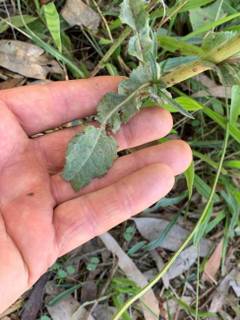
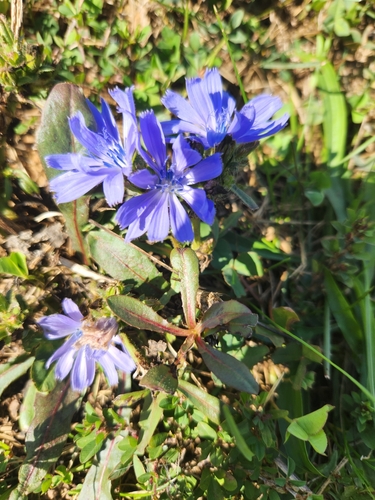
Cichorium intybus is a deep-rooted herbaceous perennial in the daisy family (Asteraceae) reaching 24-60 inches (60-150 cm) tall with a 12-24 inch (30-60 cm) spread. Stems are erect, stiff, grooved, and widely branching, with milky latex in all parts. Basal leaves resemble dandelion leaves: deeply lobed (runcinate), 3-10 inches (8-25 cm) long, with coarsely toothed margins. Upper stem leaves are reduced, lanceolate, clasping, and often entire. Flower heads are 1-1.5 inches (2.5-4 cm) across, composed entirely of strap-shaped (ligulate) ray florets in bright blue (rarely pink or white), borne sessile or on short peduncles along the upper branches. Individual flowers open in the morning and close by early afternoon, each lasting a single day. New heads open sequentially over 8-12 weeks. Plants develop a large, fleshy taproot reaching 30 inches (75 cm) or more in depth, which makes complete removal difficult. A single plant produces 3,000-30,000 seeds. The species is naturalized along roadsides, in pastures, and on waste ground across North America. The deep taproot confers drought tolerance once established but also resistance to manual removal.
Native Range
Cichorium intybus is native to Europe, western Asia, and northern Africa, occurring in grasslands, meadows, roadsides, and waste ground from sea level to approximately 5,000 feet (1,500 m). Widely naturalized across North America, recorded in all 50 U.S. states and all Canadian provinces. Populations are typically associated with disturbed, well-drained sites and roadsides on calcareous or neutral soils.Suggested Uses
Used in weed identification courses and in teaching Asteraceae flower morphology (ligulate-only heads versus ray-and-disc heads). Cultivated forms are grown for forced leaf production (endive, radicchio) and for root harvest as a coffee substitute or additive. Used in pasture and forage research as a deep-rooted herb component in diverse swards. Seeds are consumed by finches.How to Identify
Appearance
Size & Dimensions
Height2' - 5'
Width/Spread1' - 2'
Bloom Information
Flowers appear June through October. Individual flower heads open in the morning and close by early afternoon, each lasting one day. New heads open daily along the branching stems over an 8-12 week period. In the Pacific Northwest, flowering peaks in July through August. The species is self-pollinating but also visited by bees. Seeds mature 3-4 weeks after pollination.
Detailed Descriptions
Flower Description
Bright blue ligulate-only heads 1-1.5 inches (2.5-4 cm); open in morning and close by early afternoonFoliage Description
Dark green; basal leaves deeply lobed (dandelion-like), coarsely toothed; upper stem leaves reduced, lanceolate, claspingGrowing Conditions
Sun Requirements
Requires 6-12 hours of direct sunlight daily
• Full Sun: 6+ hours of direct sunlight
• Partial Shade: 3-6 hours of direct sunlight
• Full Shade: Less than 3 hours of direct sunlight