Chylismia, Genus, spp., Multiple species,
- Genus
- Multiple species
suncup
Overview
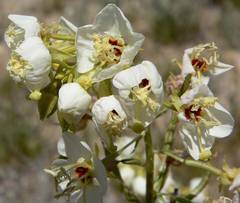
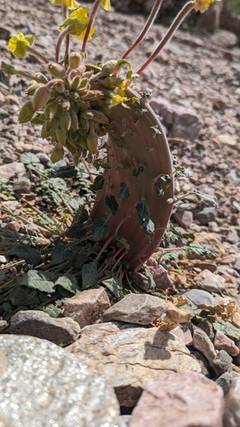
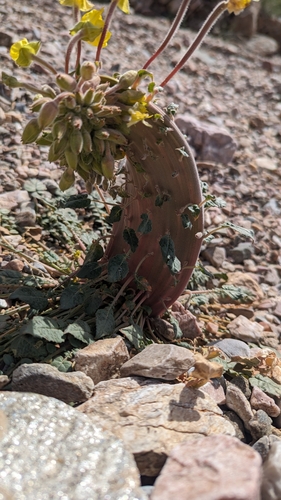
Chylismia is a genus of annual and short-lived perennial herbs in the evening-primrose family, Onagraceae, native to the deserts and dry interior of western North America. The roughly 16 species range from a few inches to about 3 feet (8-90 cm) tall, with basal rosettes of pinnately lobed or toothed leaves and slender, often reddish flowering stems. The four-petaled flowers are yellow, sometimes aging to orange or red, and measure 0.2-1 inch (5-25 mm) across; many open in late afternoon or at night and are pollinated by bees and hawkmoths. Some species, including the browneyed suncup (C. claviformis), carry a dark reddish blotch at the petal bases. Flowering follows winter and spring rains, after which the desert annual species complete their life cycle and die back as the soil dries. Plants grow on sandy washes, gravelly flats, and rocky desert slopes, appearing in number only in years of adequate rainfall and remaining scarce in drought. The genus was separated from Camissonia on differences in flower structure and seed form, which limits the older names found on many herbarium records.
Native Range
Chylismia is native to western North America, concentrated in the Mojave, Sonoran, and Great Basin deserts of the southwestern United States and northern Mexico. Species reach across California, Nevada, Arizona, Utah, and Baja California, mostly on open desert flats, washes, and rocky slopes.Suggested Uses
Chylismia is grown in desert, rock, and native plant gardens of the arid Southwest, and adds to wildflower displays after wet winters. The evening-opening flowers draw native bees and hawkmoths. Because the desert annuals are short-lived and weather-dependent, they suit naturalistic dryland plantings rather than steady bedding.How to Identify
Appearance
Size & Dimensions
Height3" - 3'
Width/Spread3" - 1'
Bloom Information
Flowering occurs mainly in spring, from February to May, triggered by winter and early-spring rainfall. In years of sparse rain, plants may flower briefly or fail to appear at all. Many species open their flowers in late afternoon or evening and close them by the following midday.
Detailed Descriptions
Foliage Description
greenGrowing Conditions
Sun Requirements
Requires 6-12 hours of direct sunlight daily
• Full Sun: 6+ hours of direct sunlight
• Partial Shade: 3-6 hours of direct sunlight
• Full Shade: Less than 3 hours of direct sunlight
Water & Climate
Water Needs
Drought Tolerance
Drought tolerant when established
Care & Maintenance
Care Guide
Chylismia species grow in full sun on sharply drained sandy or gravelly soil and need very little water once seedlings establish. They tolerate heat, intense light, and alkaline desert soils, but rot quickly in moist, rich, or poorly drained ground. Annual species are grown from seed sown in autumn for spring bloom, germinating after cool-season rain. Most need a dry summer dormancy and do not persist in irrigated gardens. Plants set abundant seed and can reseed where conditions suit them. Cold tolerance varies, with desert species hardy only to about USDA zone 8.Toxicity
Non-toxicPlanting Guide
Planting Methods & Timing
Planting Method
direct sow
Direct Sow Timing
Autumn, for germination after cool-season rains