Chrysolepis, Genus, chrysophylla, Species,
- Genus & species
golden chinquapin
Pacific Coast of North America (Washington to California, Sierra Nevada and Coast Ranges)
Overview
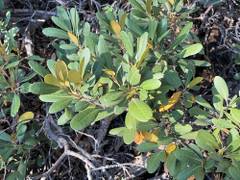
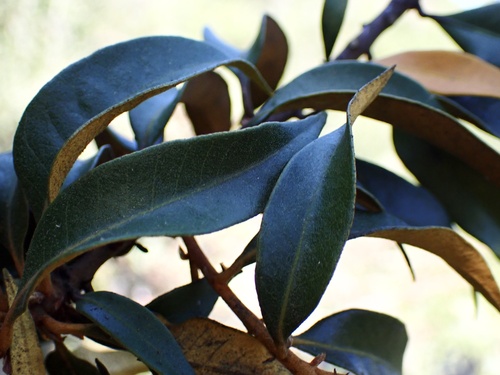
Chrysolepis chrysophylla is a variable, broadleaf evergreen tree or large shrub reaching 20–70 feet (6–21 m) tall with a spread of 15–40 feet (4.5–12 m), depending on elevation and exposure. In sheltered lowland forests the plant develops into a single-trunked tree 40–70 feet (12–21 m) tall; at higher elevations and on exposed ridgelines it forms a dense, multi-stemmed shrub 3–6 feet (0.9–1.8 m) tall. The species is identified by the dense, golden-yellow, felt-like indumentum on the undersides of the leaves—the species name 'chrysophylla' translates from Greek as 'golden leaf'. Leaves are lanceolate, 2–5 inches (5–13 cm) long, leathery, dark green and glossy above, golden-felted beneath. The golden undersurface shows when wind flips the leaves, producing a shimmer that shifts with wind direction. Spiny, chestnut-like burrs 1–1.5 inches (2.5–4 cm) across enclose 1–3 edible nuts, ripening in fall of the second year after pollination. The nuts are sweet and edible, similar to those of Castanea but smaller. Male catkins are erect, 2–3 inches (5–8 cm) long, yellowish, in June–July. Growth rate is slow to moderate at 6–12 inches (15–30 cm) per year. The only species in the genus Chrysolepis. Susceptible to sudden oak death (Phytophthora ramorum) in parts of its range; this pathogen has caused mortality in coastal California populations since the 1990s.
Native Range
Chrysolepis chrysophylla is native to the Pacific Coast of North America, from southwestern Washington through Oregon and California to the Sierra Nevada and Coast Ranges. It occurs in mixed conifer-hardwood forests, rocky ridges, and montane slopes from near sea level to 6,500 feet (2,000 m).Suggested Uses
Planted as a specimen tree in native plant gardens, large-scale landscapes, and restoration plantings at 15–25 foot (4.5–7.5 m) spacing for the tree form or 6–10 foot (1.8–3 m) spacing for the shrub form. The golden leaf undersurfaces shimmer in wind, producing a moving foliage effect visible from 30–50 feet (9–15 m) away. Functions in mixed native woodland plantings with Pseudotsuga menziesii, Arbutus menziesii, and Quercus garryana. The edible nuts feed Steller's jays, chipmunks, deer mice, and small mammals. Small gardens, formal settings, and containers are unsuitable for the tree form. The shrub form functions on rocky slopes and exposed sites where the tree form would fail to develop.How to Identify
Appearance
Size & Dimensions
Height20' - 70'
Width/Spread15' - 40'
Bloom Information
Erect male catkins 2–3 inches (5–8 cm) long, yellowish-white, open in June–July. Female flowers are inconspicuous at the catkin base. Spiny burrs ripen in fall of the second year after pollination, typically September–November. The catkins release a strong, musty scent during peak pollen shed.
Detailed Descriptions
Flower Description
Yellowish-white (male catkins)Foliage Description
Dark green glossy above, golden-felted beneathGrowing Conditions
Sun Requirements
Requires 4-10 hours of direct sunlight daily
• Full Sun: 6+ hours of direct sunlight
• Partial Shade: 3-6 hours of direct sunlight
• Full Shade: Less than 3 hours of direct sunlight
Care & Maintenance
Care Guide
Plant in full sun to partial shade in well-drained, acidic soil (pH 5.0–6.5). Tolerates poor, rocky, and sandy soils common across its Pacific Coast range. Drought-tolerant once established—adapted to the dry summers of the Pacific Coast climate with 8–10 months of summer drought. Consistent moisture during establishment supports first-year survival. Slow to establish and slow-growing in the first 5–10 years. Phytophthora ramorum (sudden oak death) has caused mortality in coastal California populations since the 1990s; monitoring and consultation with regional extension services supports early detection. The variable growth habit means specimens may remain shrubby or become tree-sized depending on site conditions.Pruning
Minimal pruning needed. Dead, damaged, and crossing branches are removed in late winter. The species can be limbed up to expose the trunk on tree-form specimens by removing lower branches gradually over several years. The variable natural form does not require shaping.Pruning Schedule
Prune: February–March
winter