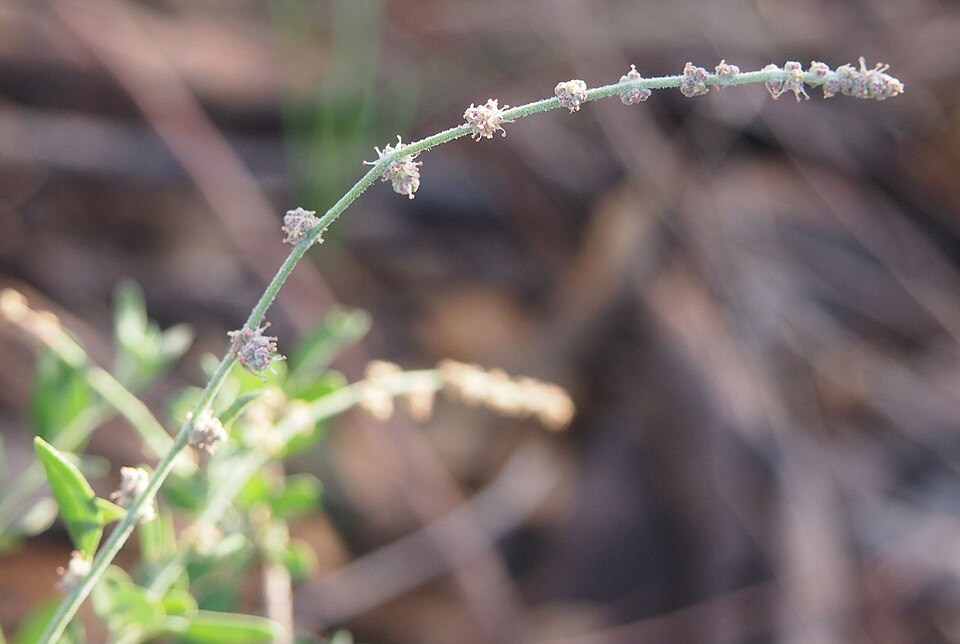
Chenopodium, Genus, spp., Multiple species,
- Genus
- Multiple species
goosefoots
Cosmopolitan; centers of diversity in the Andes and temperate Eurasia
SunFull Sun
Overview
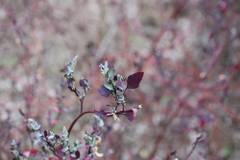
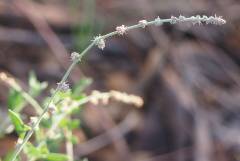
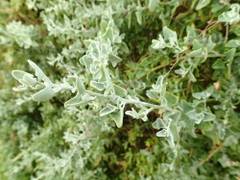
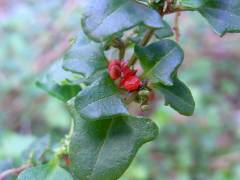
Chenopodium is a genus of roughly 100 to 150 species of annual and short-lived perennial herbs in the family Amaranthaceae, distributed across temperate and subtropical regions on every continent except Antarctica. Plants range from 8 to 80 inches (20 to 200 cm) tall, with erect, often branched, ribbed stems. The alternate leaves are 0.4 to 4 inches (1 to 10 cm) long, frequently rhombic to triangular or lance-shaped, with margins that are toothed, lobed, or entire depending on the species. Young stems and the undersides of leaves are commonly coated with a white, mealy layer of bladder-like hairs that gives the foliage a grey-green, dusted appearance. The minute flowers lack petals and are grouped in dense, branched clusters at the stem tips and leaf axils; they are wind-pollinated and green to greyish. Each flower produces a single small seed enclosed in the persistent perianth. Several species are grown as grain or leaf crops, including C. quinoa for its edible seed and C. giganteum for its young shoots, while others such as C. album occur widely as agricultural weeds. Most species germinate and complete their cycle within a single growing season. Some members contain saponins and oxalates in their foliage and seed coats, which impart a bitter taste and need processing before consumption.
Native Range
The genus is cosmopolitan, with species native to Europe, Asia, Africa, Australia, and the Americas. Centers of diversity occur in the Andes of South America, where C. quinoa was domesticated, and across temperate Eurasia.Suggested Uses
Grown as grain crops, leafy vegetables, and foliage plants depending on the species. C. quinoa is cultivated for its protein-rich seed, while several species are harvested as cooked greens. Weedy species colonize cultivated fields, gardens, and waste ground.How to Identify
Appearance
Size & Dimensions
Height8" - 6'8"
Width/Spread8" - 3'
Colors
Flower Colors
Foliage Colors
Bloom Information
Detailed Descriptions
Flower Description
green to greyish-greenFoliage Description
grey-green, often white-mealy beneathGrowing Conditions
Sun Requirements
Requires 6-12 hours of direct sunlight daily
• Full Sun: 6+ hours of direct sunlight
• Partial Shade: 3-6 hours of direct sunlight
• Full Shade: Less than 3 hours of direct sunlight
Water & Climate
Water Needs
Drought Tolerance
Drought tolerant when established
Care & Maintenance
Care Guide
Most Chenopodium species grow in full sun and tolerate a wide range of soils, from sandy to clay, where drainage is reasonable. They establish readily on disturbed, fertile ground and withstand short dry periods once rooted. Annual species are sown directly after the last frost and grow rapidly in warm conditions. Soil pH from 6.0 to 7.5 suits most species, though many tolerate mildly saline or alkaline ground. Cultivated grain species such as C. quinoa need a long, cool growing season to set seed well and lose yield in high heat and humidity.Pruning
Pruning is not a standard practice for these herbaceous plants. Pinching the growing tips of leaf-crop species encourages branching and a longer supply of young shoots. Self-sown seedlings appear readily and can be thinned where dense stands are not wanted.Container Growing
Suitable for container growing
Toxicity Warning
Toxic to petsPlanting Guide
Planting Methods & Timing
Planting Method
both
Direct Sow Timing
After the last spring frost, once soil reaches 50F (10C)
Days to Maturity
60–120 days
Plant Spacing
12 inches