Chelidonium, Genus, diphyllum, Species,
- Genus & species
celandine poppy
Overview
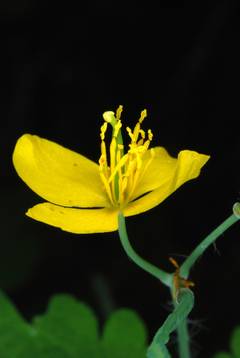
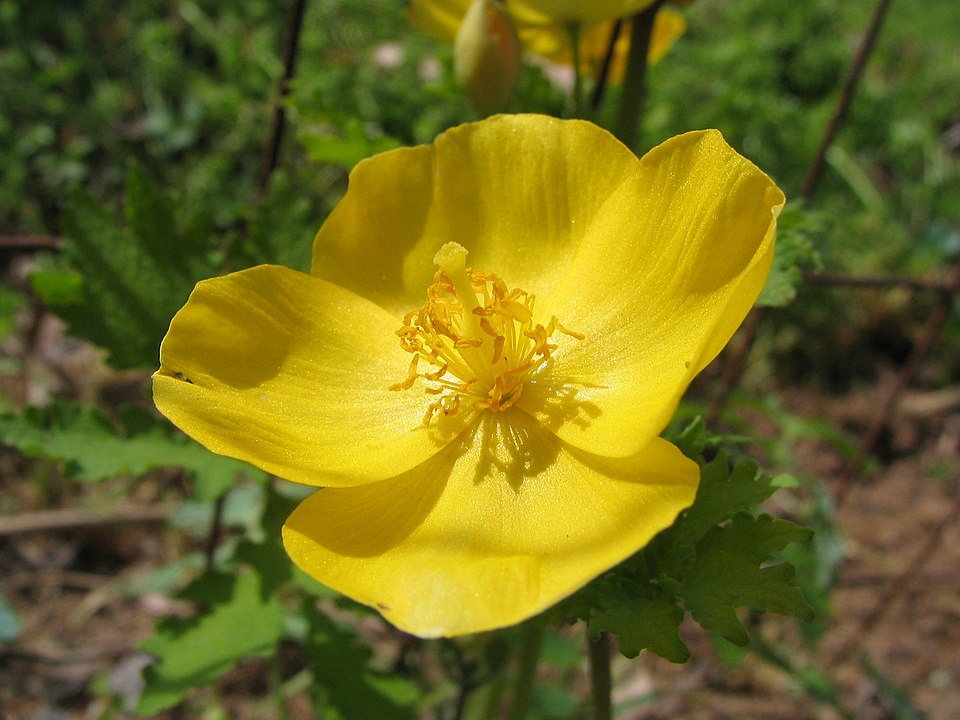
Chelidonium diphyllum, known as celandine poppy, is a clump-forming woodland perennial of the eastern United States, growing 12-18 inches (30-45 cm) tall and about 12 inches (30 cm) wide. The blue-green leaves are deeply pinnately lobed into five to seven segments, 4-10 inches (10-25 cm) long, with a pale downy underside. Cup-shaped yellow flowers 1.5-2 inches (4-5 cm) across open in April and May, each with four petals and a cluster of yellow stamens. Broken stems and roots release a yellow-orange sap. The flowers give way to nodding, hairy seed capsules 1 inch (2.5 cm) long that split to scatter seeds carrying oil-rich appendages dispersed by ants. Plants grow in moist, humus-rich soil in part to full shade and go dormant if the soil dries in summer. The sap stains and can irritate skin, and all parts are toxic if eaten. Self-seeding can produce dense stands over time.
Native Range
Native to the eastern United States, from western Pennsylvania and Virginia west to Wisconsin and Missouri and south to Tennessee and Arkansas.Suggested Uses
Used in shade gardens, woodland borders, and naturalized plantings under deciduous trees. It combines with ferns, Tiarella, and woodland phlox for spring color. The plant fills gaps before later perennials emerge.How to Identify
Appearance
Size & Dimensions
Height1' - 1'6"
Width/Spread10" - 1'2"
Colors
Bloom Information
Flowers open in April and May, with scattered later blooms into June in cool, moist sites. The yellow four-petaled cups are carried in small clusters above the foliage. Main bloom lasts about 4 weeks.
Detailed Descriptions
Foliage Description
blue-greenGrowing Conditions
Sun Requirements
Tolerates up to 4 hours of direct sunlight daily
• Full Sun: 6+ hours of direct sunlight
• Partial Shade: 3-6 hours of direct sunlight
• Full Shade: Less than 3 hours of direct sunlight
Care & Maintenance
Care Guide
Grows in part to full shade in moist, fertile, humus-rich soil with a pH of 5.5-7.0. Consistent moisture keeps foliage standing through summer, while dry spells trigger early dormancy. Established plants need little care beyond an annual leaf-mold mulch. Self-sown seedlings appear readily and can be thinned to manage density. Hardy in USDA zones 4-8. The yellow sap stains skin and clothing when stems are cut.Pruning
Spent flower stems are removed to limit self-seeding, or left to allow natural spread. Yellowing foliage is cut away once the plant enters summer dormancy. No other pruning is needed.Pruning Schedule
Prune: July
summer