Cercocarpus, Genus, spp., Multiple species,
- Genus
- Multiple species
mountain mahoganies
Overview
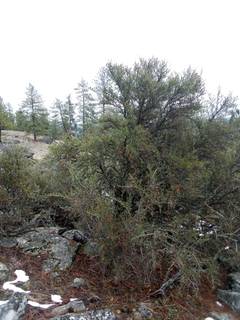
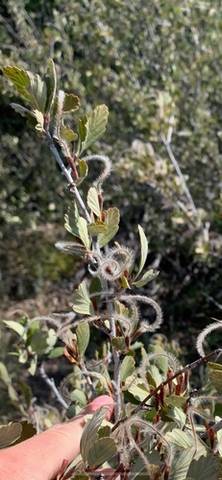
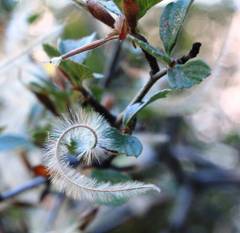
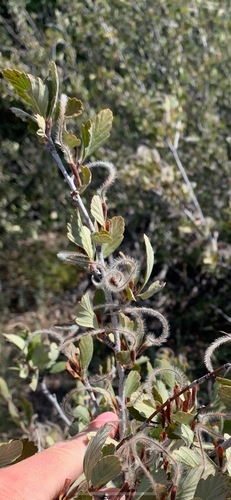
Cercocarpus is a genus of about eight to ten evergreen and deciduous shrubs and small trees in the rose family (Rosaceae), native to dry mountains, foothills, and high desert of western North America, from Oregon and Montana south into Mexico. Plants are slow-growing and long-lived, ranging from dense shrubs 3-10 feet (1-3 m) tall to small trees reaching 20-30 feet (6-9 m), with hard, heavy wood that gives the group the name mountain mahogany. The small, leathery leaves are wedge-shaped with toothed tips and often gray-green and resinous; some species hold them year-round while others drop them in cold or drought. The flowers lack petals and are small and greenish, but each ripens into a seed bearing a long, twisted, silvery, feather-like tail 1-3 inches (2.5-8 cm) long that catches the light and aids wind dispersal. The genus fixes nitrogen through root associations and grows on poor, rocky, alkaline soils where few shrubs persist. The foliage carries cyanogenic compounds and can poison livestock if eaten in quantity, yet it is heavily browsed by deer and other wildlife. Drifts of feathery seed tails are the genus most visible feature in late summer.
Native Range
Native to western North America, from the interior mountains and high deserts of Oregon, Idaho, and Montana south through the Great Basin and Southwest into northern Mexico, on dry, rocky slopes and foothills.Suggested Uses
Grown in dry, native, and water-wise gardens, on rocky banks, and as informal screening in cold, arid regions. The silvery seed plumes and rugged form suit naturalistic and xeric plantings. The genus is also planted for wildlife browse and cover in restoration projects.How to Identify
Appearance
Size & Dimensions
Height3' - 30'
Width/Spread4' - 15'
Bloom Information
Flowers in spring, roughly April to June, with small greenish, petalless flowers that draw little notice. The display comes later, as seeds ripen through summer into a haze of silvery, twisting plumes. Wind carries the plumed seeds in late summer and autumn.
Detailed Descriptions
Flower Description
greenish to creamFoliage Description
green to gray-greenGrowing Conditions
Sun Requirements
Requires 6-12 hours of direct sunlight daily
• Full Sun: 6+ hours of direct sunlight
• Partial Shade: 3-6 hours of direct sunlight
• Full Shade: Less than 3 hours of direct sunlight
Care & Maintenance
Care Guide
Grows in full sun on dry, rocky, well-drained soil across a pH range of about 6.0-8.0, including poor and alkaline ground. Established plants are drought tolerant and need no supplemental water in most of their range. The genus fixes its own nitrogen and grows poorly with rich feeding or wet, heavy soil. Growth is slow, and young plants take several years to establish a deep root system. Plants tolerate heat, wind, and cold once rooted. Foliage contains cyanogenic compounds that can sicken livestock grazing it heavily.Pruning
Little pruning is needed beyond removing dead or damaged wood in late winter. Plants tolerate light shaping but are slow to regrow, so hard cutting is avoided. Older shrubs can be limbed up gradually into a small multi-stemmed tree.Pruning Schedule
Prune: February–March
winter