Image 1 of 17
1 / 17
Plant Reference
Cercidiphyllum, Genus, japonicum, Species,
- Genus & species
katsura
Japan and central China; mountain riparian forests and moist valleys
Overview
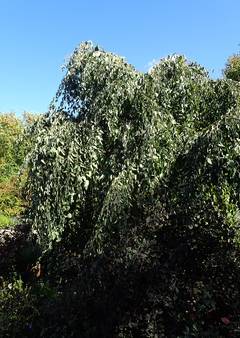
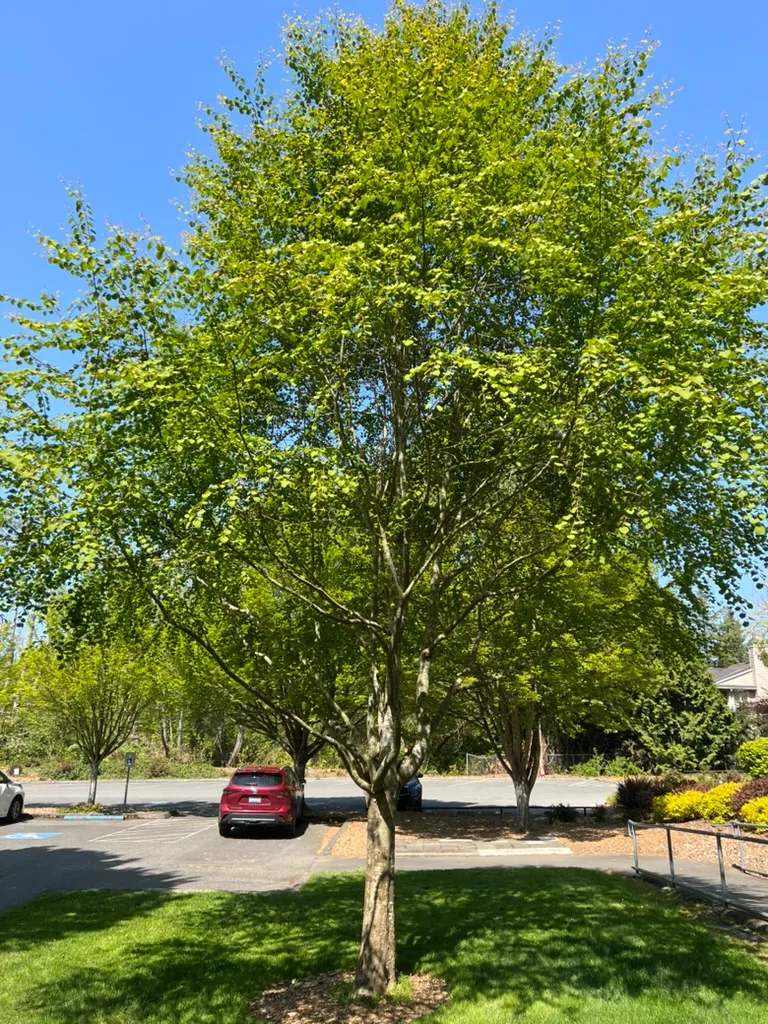
Cercidiphyllum japonicum is katsura (Japanese katsura), a deciduous tree growing 40-60 feet (12-18 m) tall and 25-40 feet (7.5-12 m) wide with a pyramidal to oval canopy. Blue-green round to heart-shaped leaves 2-4 inches (5-10 cm) wide. Emerges reddish-purple in spring. Turns yellow, orange, and apricot in fall — the senescing foliage emits a fragrance of burnt sugar or caramel, caused by maltol released from the dying leaves. This fall fragrance is the species' defining trait — strongest on moist days during active leaf fall. Red to pink inconspicuous flowers (no petals) on bare branches in March-April. In Cercidiphyllaceae — a monotypic family (Cercidiphyllum is the only genus). Native to Japan and central China — mountain riparian forests and moist valleys. Dioecious — separate male and female trees. Does not tolerate drought — leaf scorch, premature leaf drop, and reduced fall fragrance in dry conditions. This drought sensitivity is the primary limitation. The new spring growth is frost-tender — late frosts in zones 4-5 damage emerging leaves. Often develops a multi-stemmed form naturally. Smooth gray bark. Deer-resistant. Non-toxic. Zones 4-8. Full sun to partial shade. Growth rate is moderate to fast.
Native Range
Native to Japan and central China. Found in mountain riparian forests and moist valleys.Suggested Uses
Grown as a specimen tree in residential gardens and parks spaced 25-40 feet (7.5-12 m). Burnt sugar fall fragrance. Yellow-orange-apricot fall color. Blue-green summer foliage. Multi-stemmed or single-trunk form. Requires consistent moisture. Deer-resistant. Non-toxic. Zones 4-8.How to Identify
Appearance
Size & Dimensions
Height40' - 60'
Width/Spread25' - 40'
Bloom Information
Early spring (March-April). Red to pink inconspicuous flowers (no petals) on bare branches before leaf emergence. 1 week of bloom. Dioecious. Wind-pollinated.
Detailed Descriptions
Flower Description
Red to pink, inconspicuous (no petals), tiny, on bare branches before leaf emergenceFoliage Description
Blue-green, round to heart-shaped, 2-4 inches (5-10 cm) wide; emerges reddish-purple in spring; turns yellow, orange, and apricot in fall; the fall foliage emits a fragrance of burnt sugar or caramel — caused by maltol released from the senescing leavesGrowing Conditions
Sun Requirements
Requires 4-8 hours of direct sunlight daily
• Full Sun: 6+ hours of direct sunlight
• Partial Shade: 3-6 hours of direct sunlight
• Full Shade: Less than 3 hours of direct sunlight
Care & Maintenance
Care Guide
Full sun to partial shade (4-8 hours). Moist, well-drained acidic to neutral soil pH 5.5-7.0. Does not tolerate drought — supplemental water during dry periods to maintain foliage and fall fragrance. Late spring frosts damage new growth in zones 4-5. Prune in summer (June-August). Deer-resistant. Non-toxic. Zones 4-8.Pruning
Prune in summer (June-August). The multi-stemmed form is natural — do not remove unless a single-trunk tree is required. Remove dead, crossing, or damaged branches. Minimal pruning needed at maturity.Pruning Schedule
Prune: June–August
summer