Cephalaria, Genus, spp., Multiple species,
- Genus
- Multiple species
cephalaria
Europe, western and central Asia, and Africa
Overview
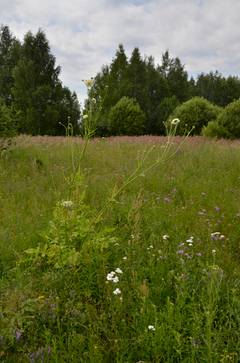
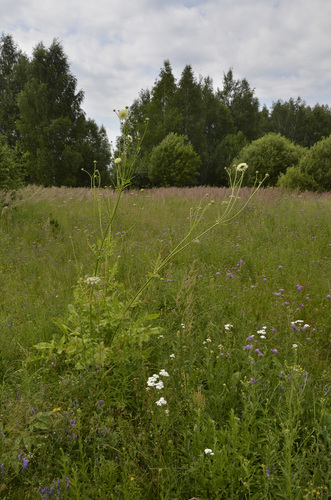
Cephalaria is a genus of about 65 species in the family Caprifoliaceae, distributed across Europe, the Mediterranean basin, western and central Asia, and parts of Africa. Most species are herbaceous perennials, though the genus also includes annuals and biennials. Plants form basal clumps of pinnately divided or lobed leaves and send up branched flowering stems ranging from 1.5 to 8 feet (45 cm to 2.4 m) tall depending on species. The flowers are massed into dense, rounded heads 1 to 2.5 inches (2.5 to 6 cm) across, subtended by stiff bracts, in shades of cream, pale yellow, white, and occasionally blue or purple. C. gigantea reaches 6 to 8 feet (1.8 to 2.4 m) with sulphur-yellow heads, while C. alpina stays under 4 feet (1.2 m). Each head is built from many small four-lobed florets, a structure shared with the related teasels and scabious. Flowering stems are wiry and may need staking in exposed sites. Seed heads persist after flowering and release dry, single-seeded fruits. The genus spreads by seed and can self-sow where conditions suit, naturalising beyond planted areas in some regions.
Native Range
Cephalaria species are native to temperate and Mediterranean regions of Europe, western and central Asia, and montane areas of eastern and southern Africa. C. gigantea originates in the Caucasus, while several smaller species occur in the Mediterranean and the mountains of Turkey and Iran.Suggested Uses
Grown in mixed borders, prairie-style plantings, and cottage gardens, where the tall species form a back-of-border layer. Cut and dried heads are used in arrangements. The nectar-rich heads draw bees and butterflies.How to Identify
Appearance
Size & Dimensions
Height1'6" - 8'
Width/Spread1'6" - 3'
Colors
Bloom Information
Most Cephalaria species flower from early summer into late summer, roughly June to August in the Northern Hemisphere. Individual heads open over several weeks, and taller species such as C. gigantea can continue into September. Bees and other insects visit the open heads.
Detailed Descriptions
Flower Description
cream, pale yellow, white, occasionally blue or purpleFoliage Description
green to grey-greenGrowing Conditions
Sun Requirements
Requires 6-10 hours of direct sunlight daily
• Full Sun: 6+ hours of direct sunlight
• Partial Shade: 3-6 hours of direct sunlight
• Full Shade: Less than 3 hours of direct sunlight
Care & Maintenance
Care Guide
Plants grow in full sun to light shade in moderately fertile, well-drained soil, tolerating ground from sandy to loamy. Established clumps withstand short dry spells, though prolonged drought reduces flowering. Taller species do better with open spacing of 24 to 36 inches (60 to 90 cm) to allow air movement and reduce stem flop. Soil pH from about 6.0 to 7.5 suits most species. In rich soil the tall stems grow soft and lean, so leaner ground produces sturdier growth. Plants are largely untroubled by pests, though aphids may gather on young stems.Pruning
Spent flowering stems are cut back after blooming to limit self-seeding and tidy the clump. Foliage can be cut to the ground in late autumn or left until early spring. Lifting and dividing congested clumps every three to four years maintains vigour.Pruning Schedule
Prune: September–October
fall