Cephalanthus, Genus, spp., Multiple species,
- Genus
- Multiple species
buttonbush
North America, Central America, and Asia
Overview
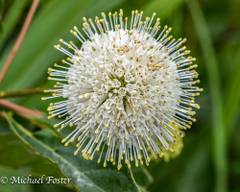
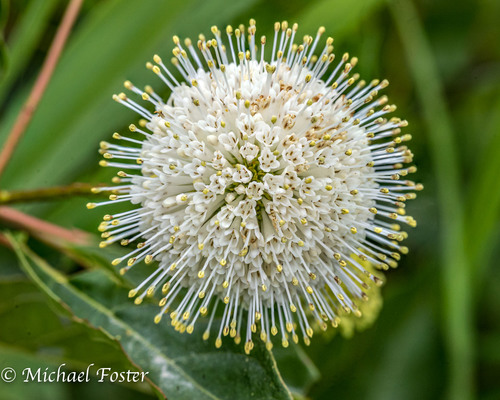
Cephalanthus is a genus of about six deciduous shrubs and small trees in the madder family (Rubiaceae), known as buttonbush and grown for their ball-shaped flowers. The species most often grown, Cephalanthus occidentalis, forms a rounded, multi-stemmed shrub 6-12 feet (1.8-3.6 m) tall and 4-8 feet (1.2-2.4 m) wide, with glossy, deep green leaves in pairs or whorls along the stems. In summer the branch tips carry spherical white flower heads about 1-1.5 inches (2.5-4 cm) across, each a pincushion of tiny tubular flowers tipped with protruding styles, fragrant and rich in nectar. Bees, butterflies, and hummingbirds work the flowers, which ripen into hard ball-like seed clusters that persist into winter and feed waterfowl. The genus grows naturally in wet ground, along pond and stream edges, in swamps, and in seasonally flooded soils, and tolerates standing water. Its need for constant moisture and its open, coarse habit in winter limit where it can be used, and the foliage is toxic to grazing livestock.
Native Range
Buttonbush species grow in North America, Central America, the Caribbean, and eastern Asia. Cephalanthus occidentalis is native across much of the eastern and southern United States into Mexico, where it grows in marshes, swamps, and the margins of ponds, lakes, and slow streams.Suggested Uses
Buttonbush is grown in rain gardens, pond and stream edges, wet borders, and bioswales where its need for moisture is an asset. It is used in native and wildlife plantings for its nectar flowers and its seeds that feed ducks and other birds. The shrub also helps bind soil and filter runoff along banks and wet margins.How to Identify
Appearance
Size & Dimensions
Height6' - 12'
Width/Spread4' - 8'
Bloom Information
Flowering comes in summer, generally June to August, with the white spherical heads opening over several weeks. The fragrant flowers draw heavy traffic from bees, butterflies, and hummingbirds. Each head matures into a hard, round cluster of nutlets that stays on the shrub into winter.
Detailed Descriptions
Foliage Description
glossy greenGrowing Conditions
Sun Requirements
Requires 6-10 hours of direct sunlight daily
• Full Sun: 6+ hours of direct sunlight
• Partial Shade: 3-6 hours of direct sunlight
• Full Shade: Less than 3 hours of direct sunlight