Celastrus, Genus, scandens, Species,
- Genus & species
American bittersweet
Overview
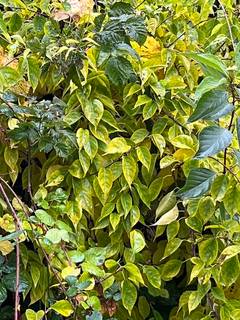
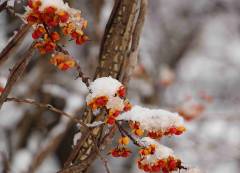
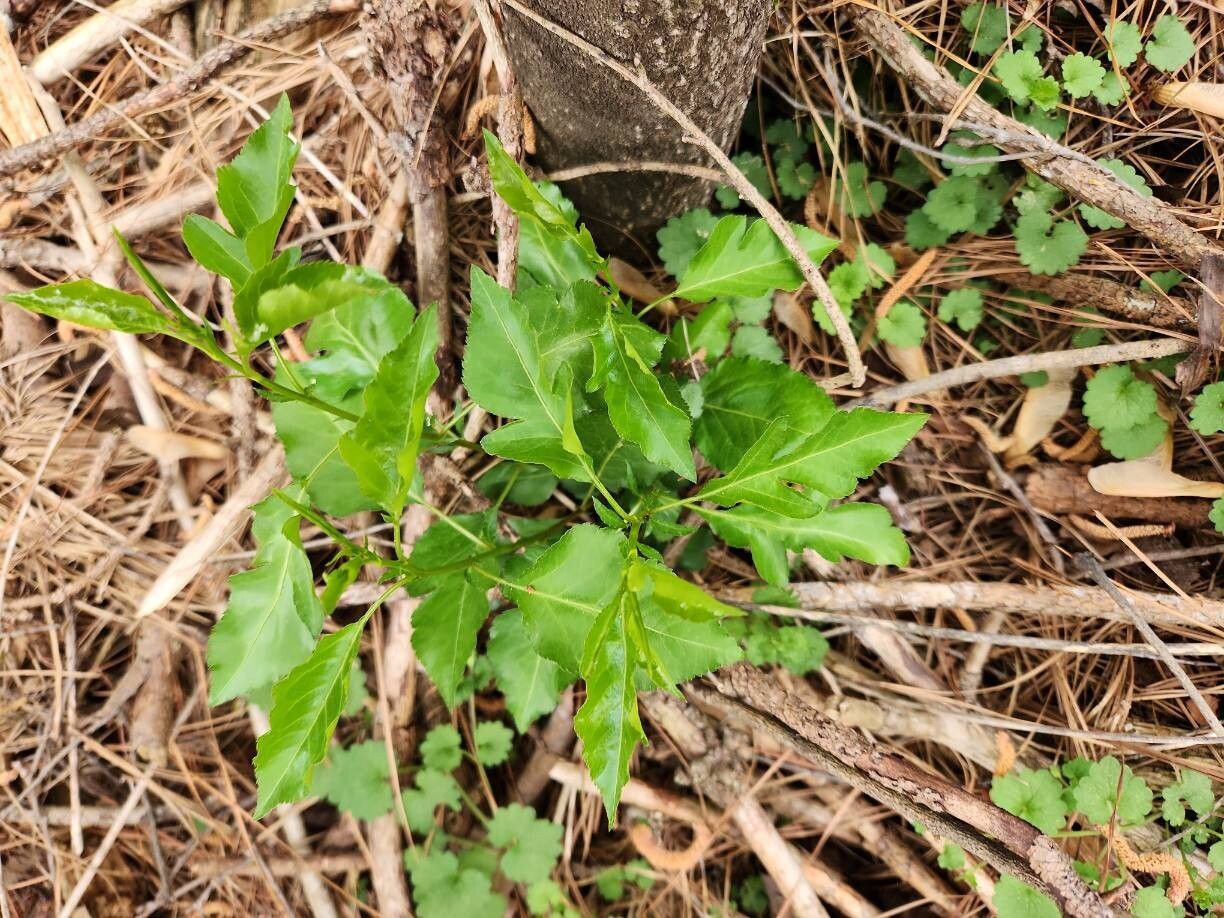
Celastrus scandens is a deciduous woody vine that twines around supports and climbs 15-30 feet (4.5-9 m), with stems reaching 1-2 inches (2.5-5 cm) thick at the base on old plants. The alternate, oval leaves are 2-4 inches (5-10 cm) long with finely toothed margins, glossy green in summer and turning yellow in autumn. C. scandens is dioecious: small greenish-white flowers about 0.2 inch (5 mm) wide open in branched terminal clusters in May and June, with male and female flowers on separate plants, so both sexes are needed for fruit. Female vines bear rounded yellow-orange capsules that split in autumn to reveal fleshy scarlet-coated seeds, held in clusters at the branch tips through early winter. The vine grows along woodland edges, in thickets, fence rows, and on rocky slopes across eastern and central North America. It tolerates a range of soils and light levels but fruits most heavily in full sun. The twining stems can girdle and kill shrubs and small trees, and the vine spreads by root suckers and bird-dropped seed, so it needs space and support set apart from valued plantings. The fruit is toxic to people and pets if eaten.
Native Range
Celastrus scandens is native to eastern and central North America, from southern Canada south to Georgia and west to the Great Plains. It grows along woodland edges, in thickets, fence rows, and on rocky slopes and riverbanks.Suggested Uses
Grown on arbors, pergolas, sturdy fences, and trellises in native and wildlife gardens, and planted for the autumn fruit clusters that are cut for indoor arrangements. A male and a female vine are planted together, spaced 6-10 feet (1.8-3 m) apart, to allow fruiting. The fruit-bearing stems feed birds through winter.How to Identify
Appearance
Size & Dimensions
Height15' - 30'
Width/Spread3' - 6'
Bloom Information
Detailed Descriptions
Foliage Description
green, yellow in fallGrowing Conditions
Sun Requirements
Requires 4-10 hours of direct sunlight daily
• Full Sun: 6+ hours of direct sunlight
• Partial Shade: 3-6 hours of direct sunlight
• Full Shade: Less than 3 hours of direct sunlight
Care & Maintenance
Care Guide
Celastrus scandens grows in full sun to partial shade and tolerates loam, sand, or clay at a soil pH of 5.5 to 7.5. It needs medium moisture and well-drained ground but withstands drought once established and is hardy in USDA zones 3-8. Fruiting is heaviest in full sun and requires both a male and a female plant within pollinating distance. The vine grows vigorously and needs a sturdy trellis, arbor, or fence, because its twining stems can girdle and kill woody supports. It spreads by suckers and self-sown seed and can overtake nearby plantings without regular control.Pruning
Pruning in late winter, while the vine is dormant, controls size, removes tangled or deadwood, and thins congested growth. Celastrus scandens flowers and fruits on new growth, so dormant-season pruning does not reduce the autumn fruit display. Cutting stems to the ground renews overgrown vines, which resprout strongly from the root crown.Pruning Schedule
Prune: February–March
winter