Celastrus, Genus, spp., Multiple species,
- Genus
- Multiple species
bittersweets
Asia, Australasia, the Pacific, and the Americas
Overview
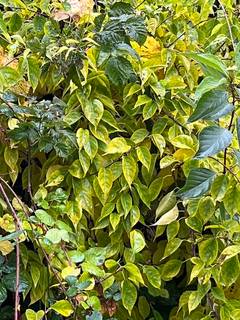
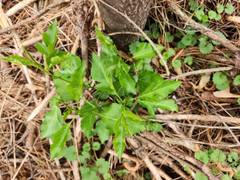
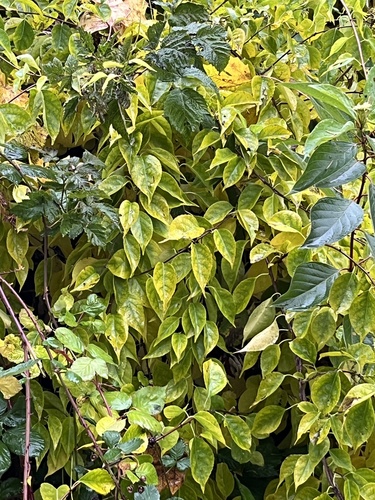
Celastrus is a genus of about 30 woody, twining vines in the staff-vine family (Celastraceae), native to Asia, Australasia, the Pacific, and the Americas. The stems climb by spiraling around supports and can reach 30-60 ft (9-18 m) into trees, thickening with age to several inches across and capable of girdling the trunks they ascend. Leaves are alternate, oval to rounded, 2-5 inches (5-13 cm) long, turning yellow in autumn before dropping. Small greenish flowers in early summer are easy to overlook, but the autumn fruit is conspicuous: rounded capsules split into three to reveal a yellow or orange shell around a fleshy scarlet-coated seed, held on the bare stems into winter. Most species are functionally one-sexed, so both male and female plants are needed for fruit. Oriental bittersweet (C. orbiculatus) spreads quickly by birds carrying the seed and by root suckers, smothering and girdling native trees, and it is regulated as invasive across much of the eastern United States. American bittersweet (C. scandens) is native there but is far less aggressive and is now scarcer where the Asian species has spread.
Native Range
Native across eastern and southern Asia, Australasia, the Pacific islands, Madagascar, and North and Central America, in woodland edges and thickets. C. orbiculatus from East Asia has naturalized widely in eastern North America, where it overlaps and hybridizes with the native C. scandens.Suggested Uses
Native C. scandens is grown on fences, arbors, and posts for its yellow autumn leaves and long-lasting orange-and-scarlet fruit, and the cut stems are used in dried autumn arrangements. Both sexes are planted together so the female vines fruit. The invasive C. orbiculatus is managed and removed rather than planted across its naturalized range.How to Identify
Appearance
Size & Dimensions
Height30' - 60'
Width/Spread6' - 15'
Bloom Information
Small greenish to white flowers open in late spring and early summer (May-June) in branched clusters. They are wind- and insect-pollinated and are far less noticeable than the autumn fruit that follows. Because most plants are male or female, only female vines fruit, and only when a male grows nearby.
Detailed Descriptions
Foliage Description
GreenGrowing Conditions
Sun Requirements
Requires 4-12 hours of direct sunlight daily
• Full Sun: 6+ hours of direct sunlight
• Partial Shade: 3-6 hours of direct sunlight
• Full Shade: Less than 3 hours of direct sunlight