Catharanthus, Genus, spp., Multiple species,
- Genus
- Multiple species
periwinkle
Overview
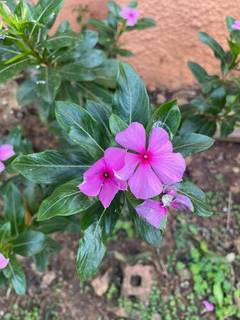
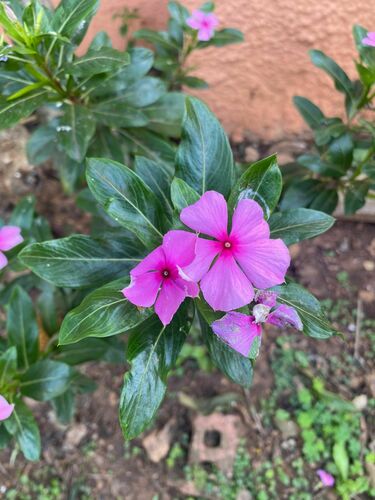
Catharanthus is a genus of eight species of evergreen perennials and subshrubs in the dogbane family (Apocynaceae), most of them native to Madagascar. The widely grown species is Madagascar periwinkle (C. roseus), sold in horticulture as annual vinca, though it is not a true Vinca. Plants form bushy mounds 6-24 inches (15-60 cm) tall and wide, with glossy, dark green, oval leaves on upright stems that exude a milky sap when cut. The flowers are 1-2 inches (2.5-5 cm) across with five flat, overlapping petals arranged like a pinwheel around a narrow tube, in white, pink, rose, red, or lavender, often with a contrasting eye at the center. Bloom is continuous from late spring until frost, and year-round in frost-free climates, holding up through heat, humidity, and drought once established. The genus is frost-tender and grows as a perennial only in USDA zones 10-12, while in cooler regions it is planted as a warm-season annual. All parts contain vinca alkaloids that are poisonous to people and pets if eaten; the same compounds are the source of cancer-treatment drugs.
Native Range
The genus is native chiefly to Madagascar, where most species grow in open woodland, grassland, and disturbed ground, with one species reaching India and Sri Lanka. C. roseus has naturalized across the tropics and subtropics worldwide and is now a common roadside plant in warm regions.Suggested Uses
Madagascar periwinkle is planted as a summer bedding and edging plant in beds, borders, and mass plantings, spaced 8-12 inches (20-30 cm) apart, and is grown in containers, window boxes, and hanging baskets. It is used in hot, sunny, low-water sites where many annuals struggle. In frost-free climates it is grown as a year-round flowering groundcover.How to Identify
Appearance
Size & Dimensions
Height6" - 2'
Width/Spread6" - 2'
Bloom Information
Flowering is continuous from late spring through autumn until frost, and year-round in tropical climates. New flowers open daily at the stem tips as the plant grows, so bloom does not require deadheading. Heat and strong sun increase flowering, while cool, wet spells slow it.
Detailed Descriptions
Flower Description
white, pink, rose, red, or lavender, often with a contrasting eyeFoliage Description
glossy dark greenGrowing Conditions
Sun Requirements
Requires 6-10 hours of direct sunlight daily
• Full Sun: 6+ hours of direct sunlight
• Partial Shade: 3-6 hours of direct sunlight
• Full Shade: Less than 3 hours of direct sunlight
Care & Maintenance
Care Guide
Catharanthus grows in full sun in light, well-drained soil with a pH of 5.5-7.0 and tolerates heat, humidity, drought, and poor ground once established. Plants need warmth and grow as tender perennials only in USDA zones 10-12, performing as warm-season annuals elsewhere set out after the soil warms. Overwatering and cool, wet soil bring on root and stem rot, the main weakness of the genus, so drainage matters more than feeding. The plants flower without deadheading and need little care through the season. Aphids, whitefly, and spider mites occur, mainly on stressed plants. All parts are poisonous if eaten, and the milky sap can irritate skin.Pruning
Plants are pinched back when young to prompt branching and a denser, more compact shape. Leggy stems are trimmed during the season to keep the mound full. In frost-free areas, perennial plants are cut back by about a third in spring to renew growth.Pruning Schedule
Prune: March
early spring
Container Growing
Suitable for container growing
Minimum container size: 2 gallons